

Seasonic S12 500W
Introduction
LED fans, adjustable rails, sleeved cables, modular capabilities, and mirror-finish polishes that rival a luxury BMW. All of these features that were unheard of three years ago have made current power supplies a popular commodity among the enthusiast crowd. Almost every popular power supply flooding the market has some kind of “bling” associated with it. Nowadays, consumers rely more on aesthetics rather than true quality. You know something’s wrong when you hear a friend recommend to another friend at Fry’s, “You should get this one… the sleeving prevents any electrical interference from occurring.” However, what the majority of enthusiasts must understand is that the knowledge and research that goes into a quality PC component depends much on the certification of industry leading standards. Although manufacturers can’t necessarily market their certifications, understanding that a company invests in them is much more important than any bling factor. Seasonic, a power supply manufacturer, is a perfect example of a company dedicated to quality before looks.
Seasonic has been developing power supplies since 1975, which is longer than any other power supply manufacturer that I know of. Their longevity is a testament to the amount of knowledge and research that they have put into their power supplies. More importantly, Seasonic has been ISO9002 certified since 1997 and ISO9001 certified since 2000. What does this mean for a company? ISO is an elite international organization developed for the purpose of quality standardization. In order to become a certified member under ISO, a company must be willing to invest a large sum of money and undergo strict auditing procedures to ensure quality standardization is implemented. What does this mean for the consumer? Since the company is now producing products under the strictest of quality standards, the consumer will have the value added factor of purchasing a product that is sure to be of top quality. Seasonic’s goal as a power supply manufacturer is to provide power solutions that will better the quality of life. Investing heavily in research and certification is definite proof of their dedication.
Today, we have the privilege of reviewing Seasonic’s latest S12 500 watt silent power supply. Claimed to be one of the quietest power supplies to date, the S12 500 watt power supply also looks to be a serious contender as an enthusiast’s power supply. Supporting key features, such as Active PFC and Smart Fan Control, which are two features originally developed by Seasonic in the year 2000, and future-proof features, such as Dual PCI-E support and Dual 12v rails, Seasonic’s 500watt power supply is a sight for sore eyes; Eyes that have been strained by flashy LED fans and UV-sensitive cable sleeving.
Seasonic S12 500W
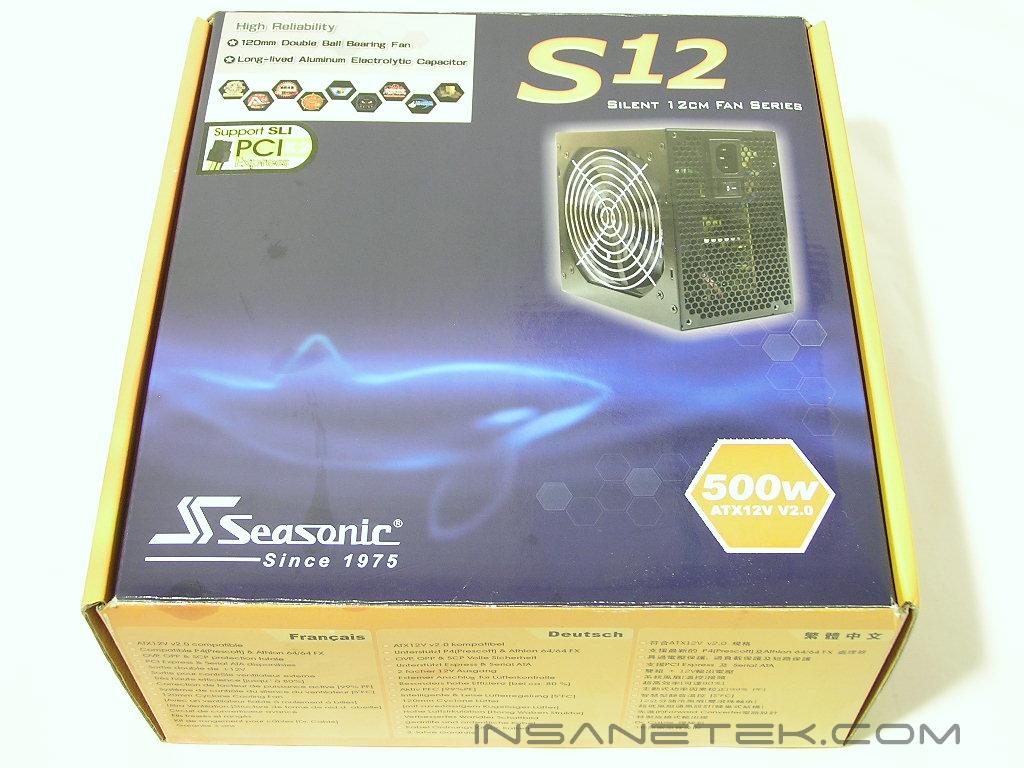
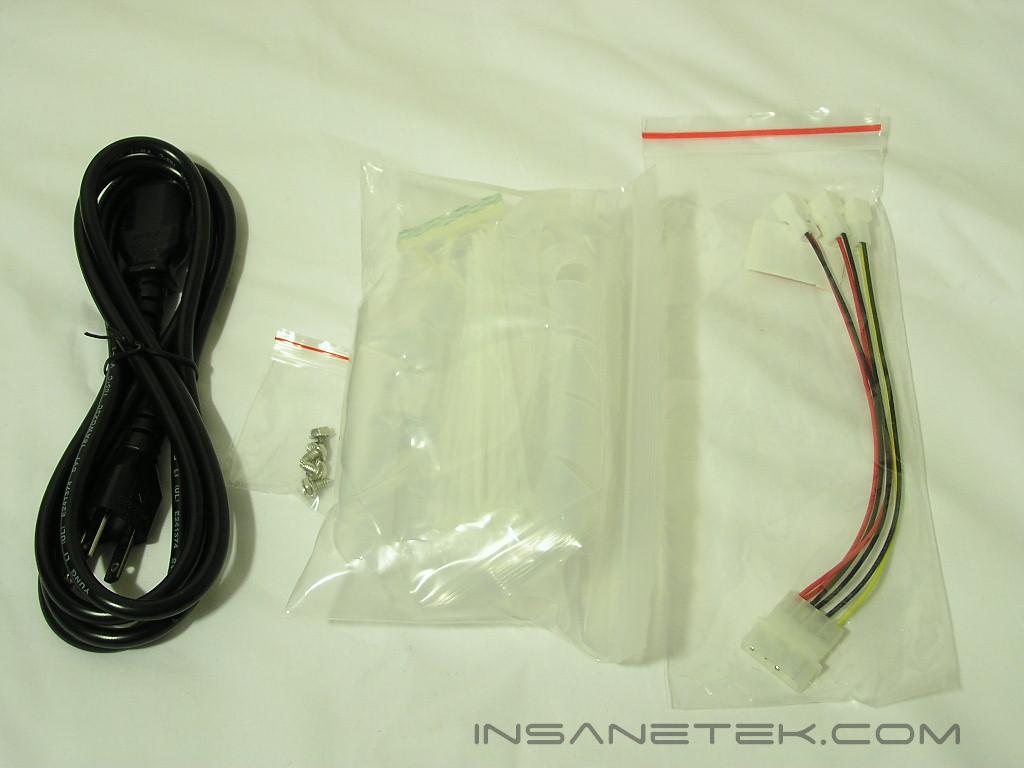
Just how most packaging is used for promotional purposes, Seasonic’s packaging ensures every valuable quality of the S12 is included as a description on the box. The box also comes equipped with a handle, which means the S12 will be catered towards retail consumers if available in that distribution channel. The contents of the packaging include the S12 power supply, a power cable, mounting screws, a Molex-to-fan connector for fan control, a Seasonic badge, and a wire loom for cable management. The wire loom, which is deemed “Dr. Cable,” comes in a large size for the ATX connections and a smaller size for the Molex and SATA connections. The Seasonic S12 comes in 500W or 600W; We will be reviewing the 500W version.
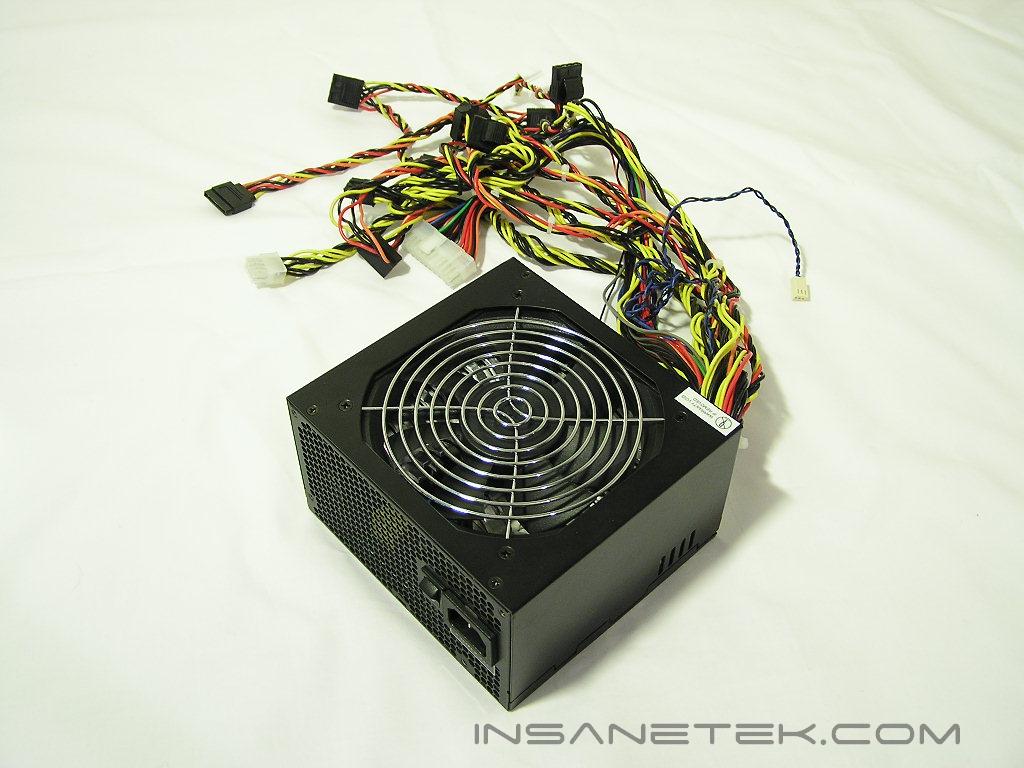
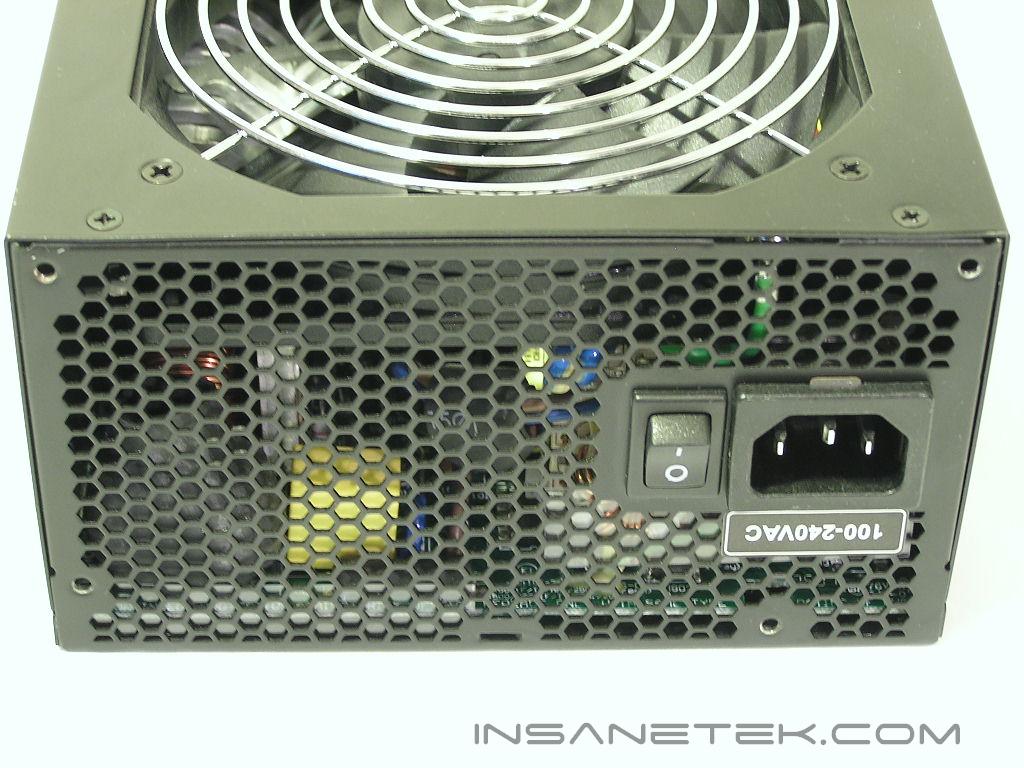
After opening the packaging, the huge 120mm fan and honeycomb grill are the most apparent features of this power supply. We have reviewed power supplies from other companies utilizing this combination, as it is the most viable option for a silent power supply. Combined with Seasonic’s pioneered “Smart & Silent Fan Control,” the S12 already looks like THE silent power supply to have. Another appealing feature is the implementation of “Twisty & Tidy Wires.” The wires are twisted together like OCZ’s PowerStream power supplies. The look is a far cleaner look than untwisted wires. While I do prefer sleeved cabling, I find sleeving more of an aesthetic preference, rather than a necessity. Having twisted wires is an excellent alternative.
Connections
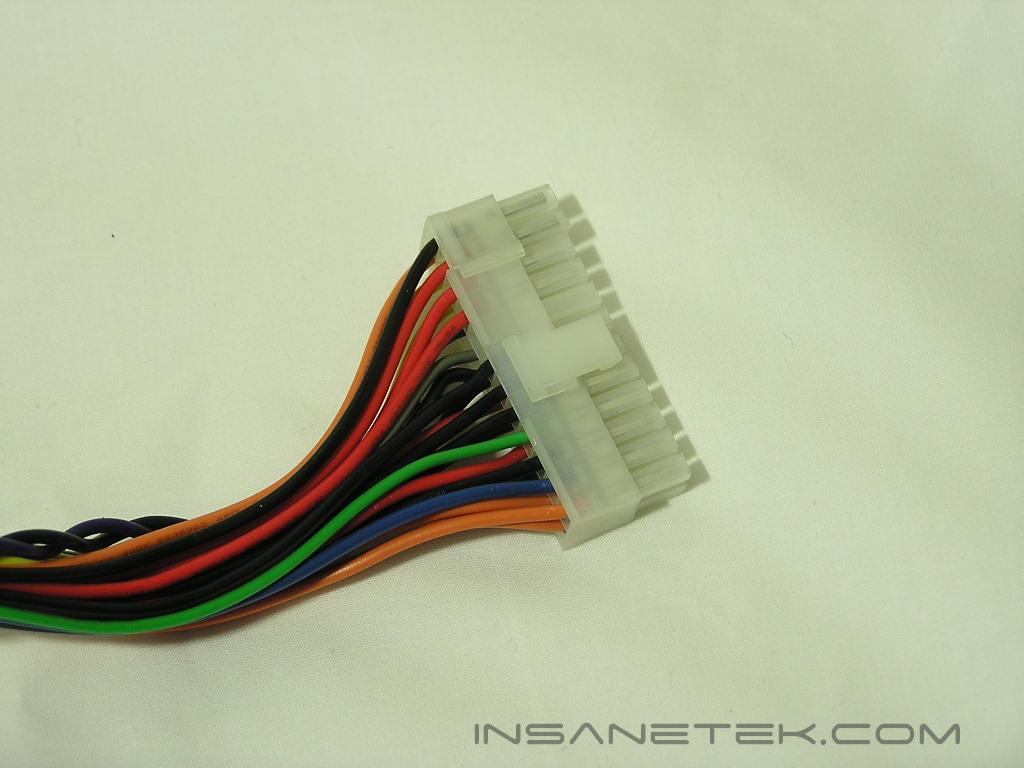
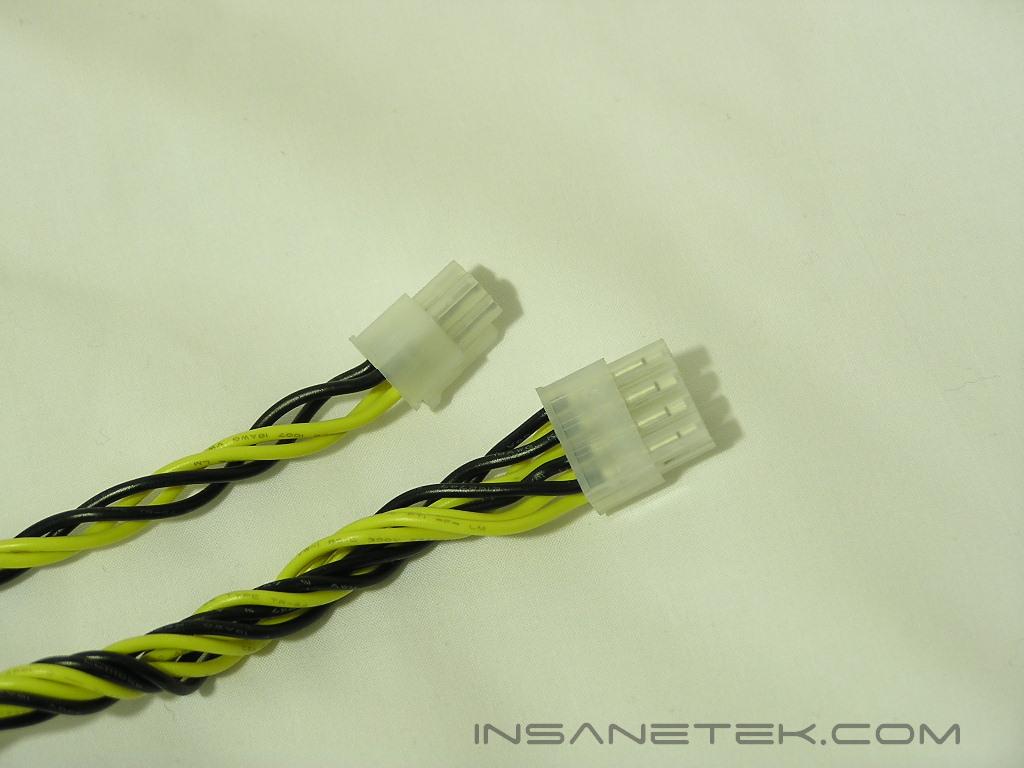
Seasonic’s S12 can accommodate almost any type of system possible. The 24-pin connector is capable of detaching the additional wires to convert into a 20-pin connector for older motherboards. The power supply also comes equipped with a 4-pin and 8-pin connection for compatibility with ATX 12V V2.0 and EPS 12V configurations. Seasonic is also heavily involved in building quality power supplies for the OEM server industry. It’s no surprise that their latest mainstream power supply has enough features to support most PC’s, IPC’s, workstations, servers, and dual CPU systems.
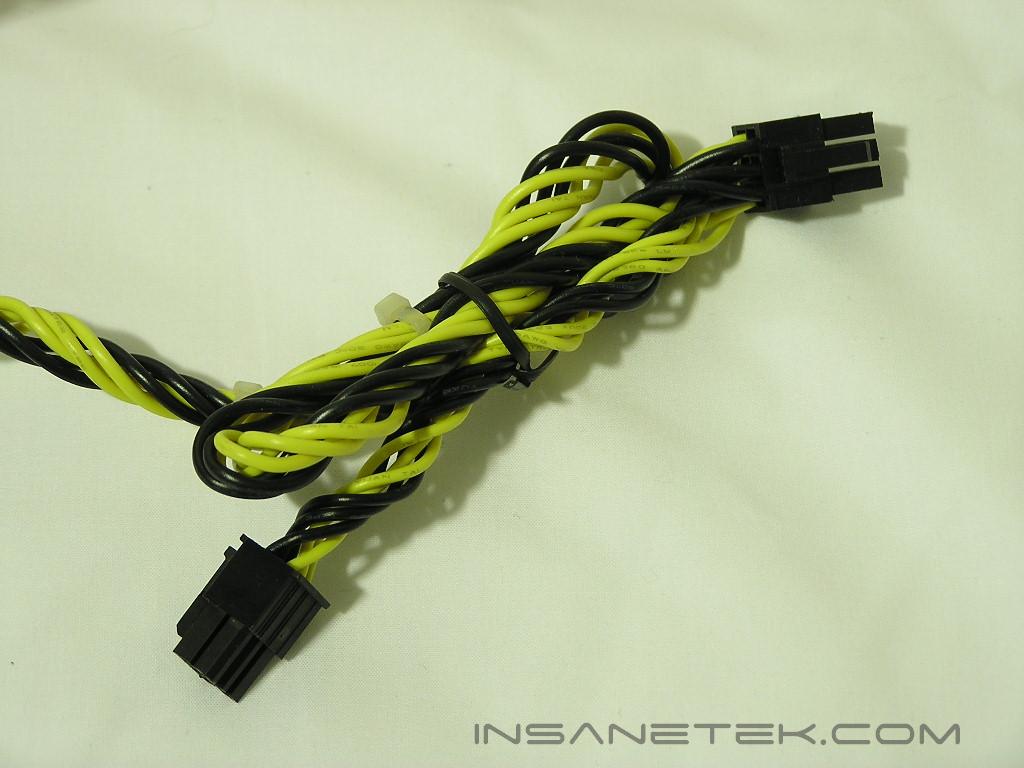
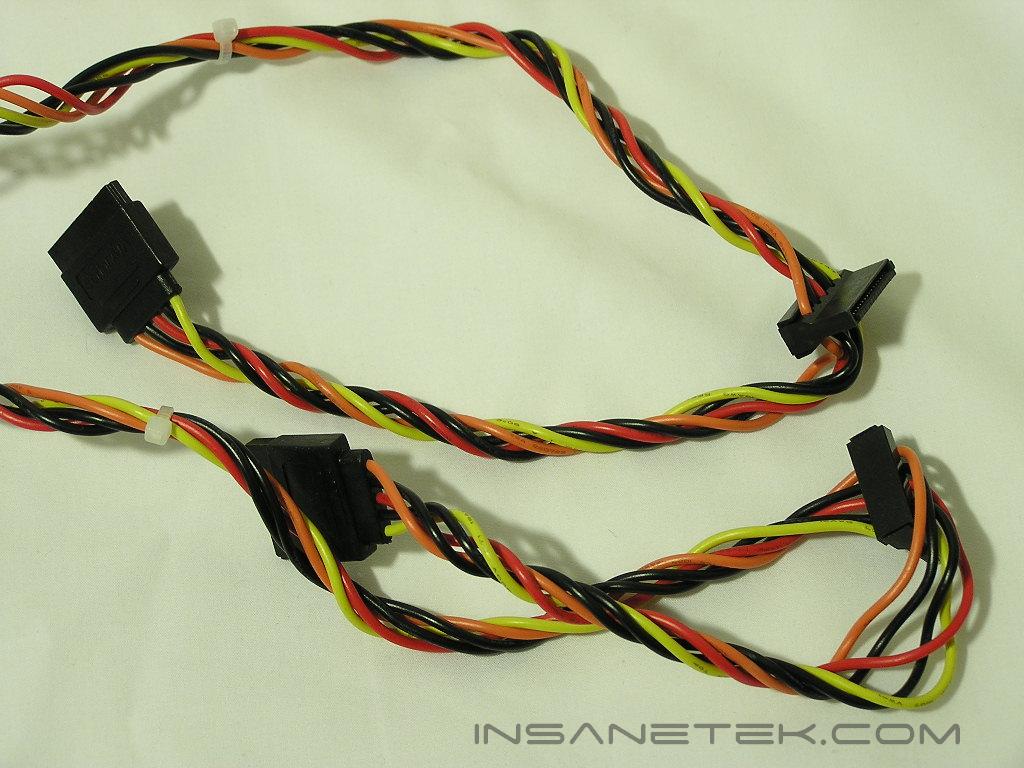
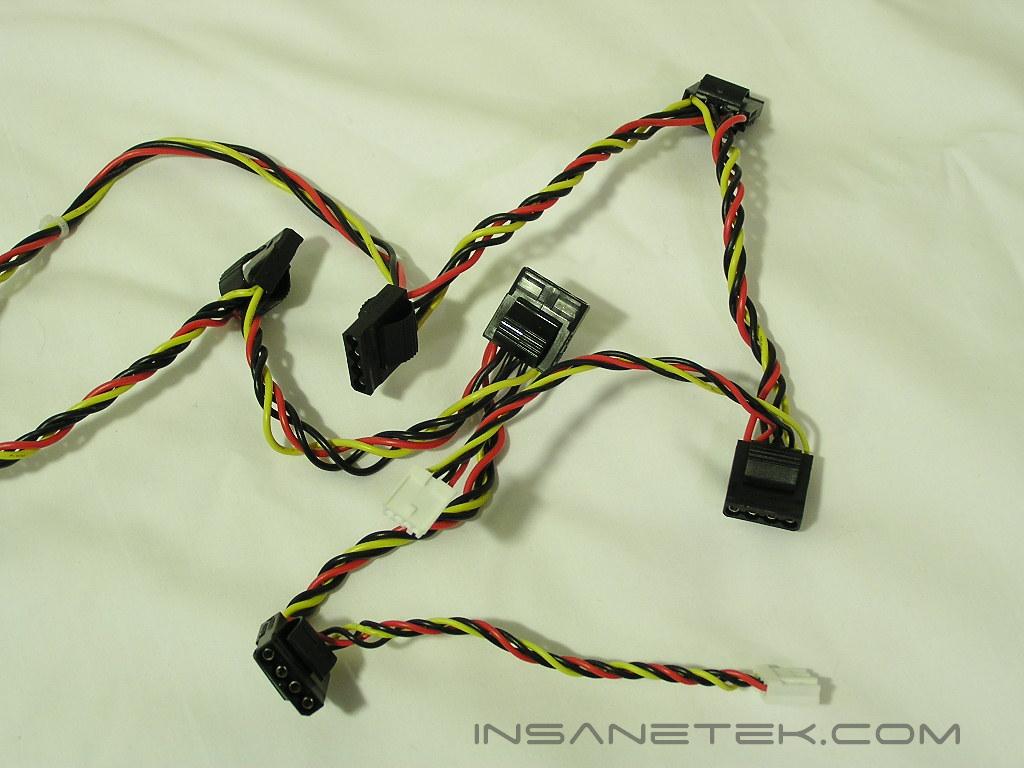
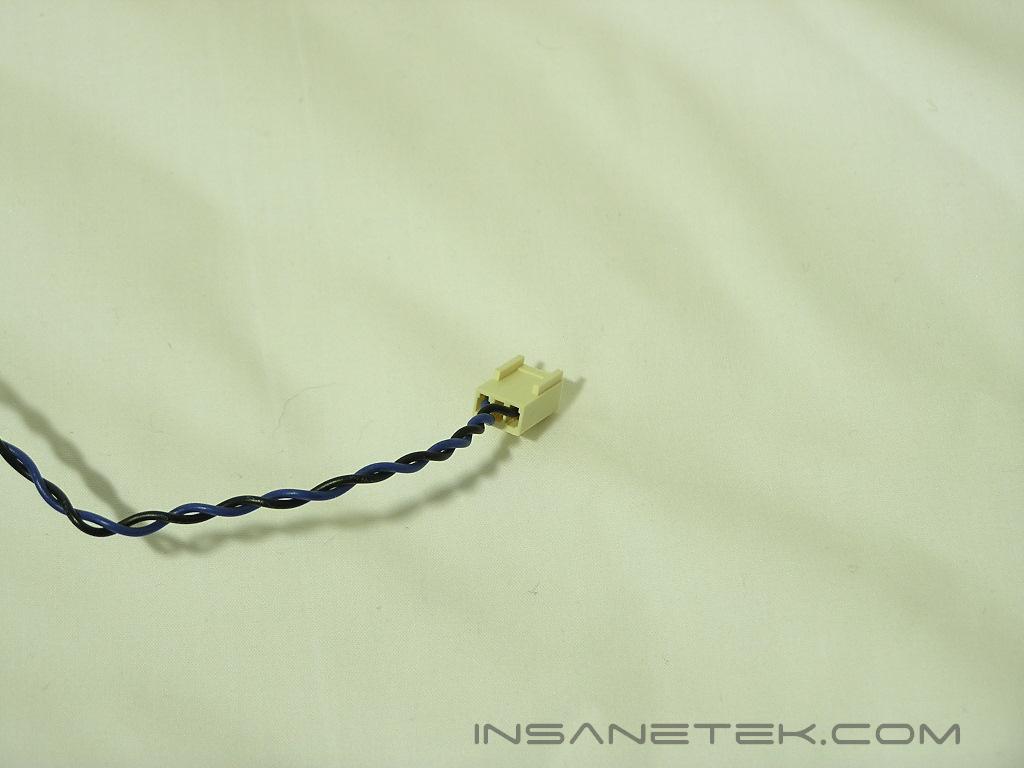
The S12 also supports dual 6-pin PCI-Express configurations for SLI and future Crossfire platforms. The dual PCI-Express connectors are part of one cable. Whether or not this effects power stability versus a 2 cable configuration remains to be seen. Thermaltake’s dual 6-pin connectors on one cable were just fine in a 6800GT SLI configuration, so I am assuming this power supply would fare just as well. The S12 also has 4 SATA power adaptors, 6 Molex connections, 2 floppy-pin connections, and a 3-pin connector for fan monitoring. The Molex connectors come with “Easy Swap Connectors,” which makes the process of detaching Molex connectors much easier than the standard connections. Lastly, Seasonic includes a 3-pin connection for power supply fan monitoring support.
Internals
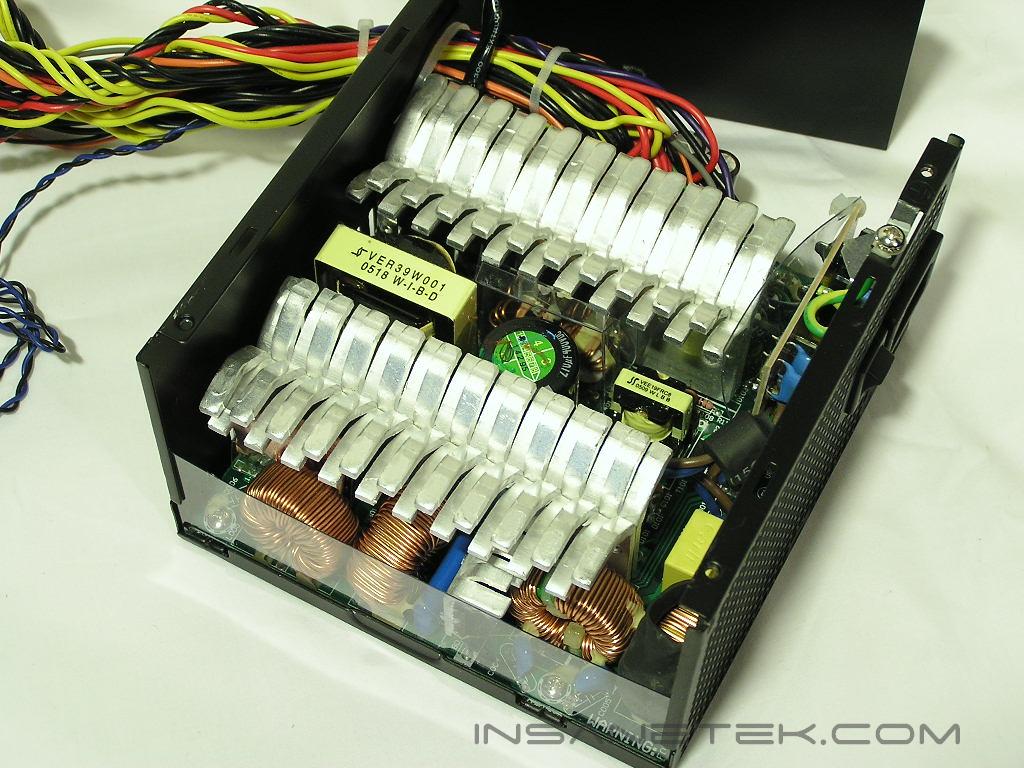
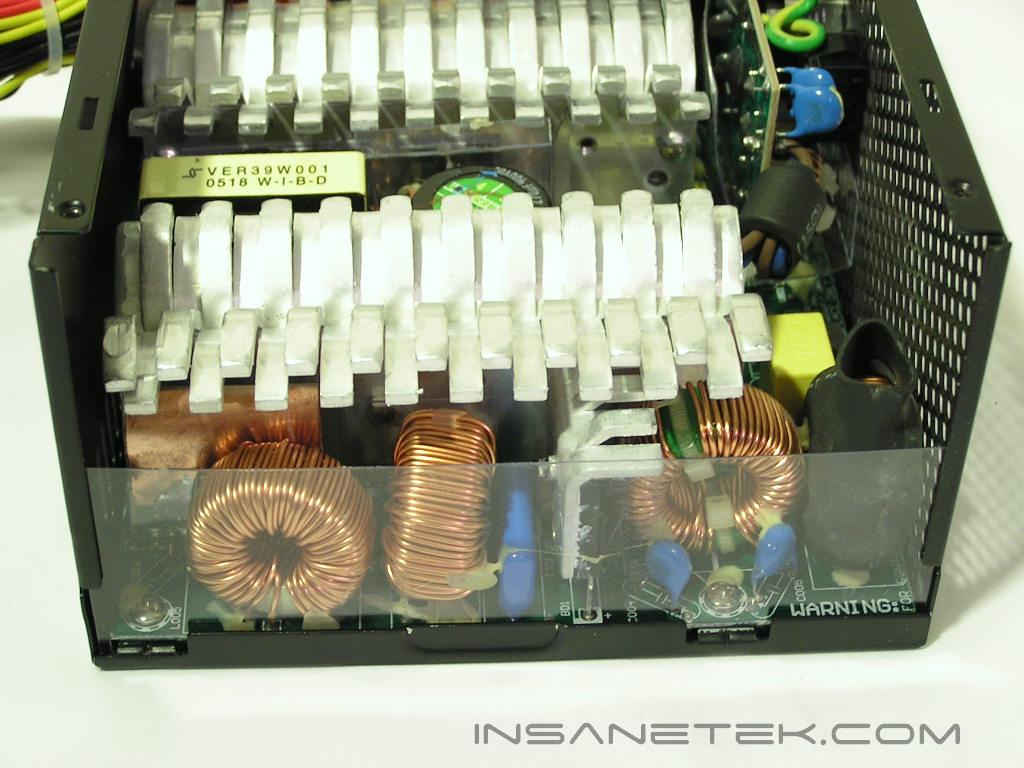
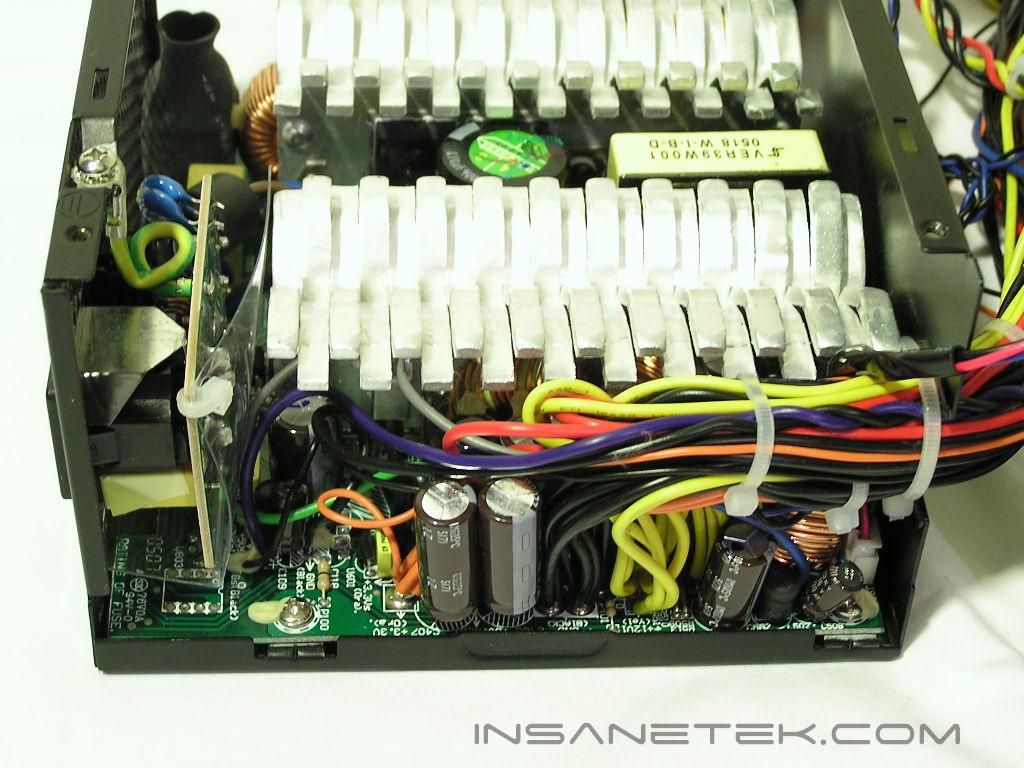
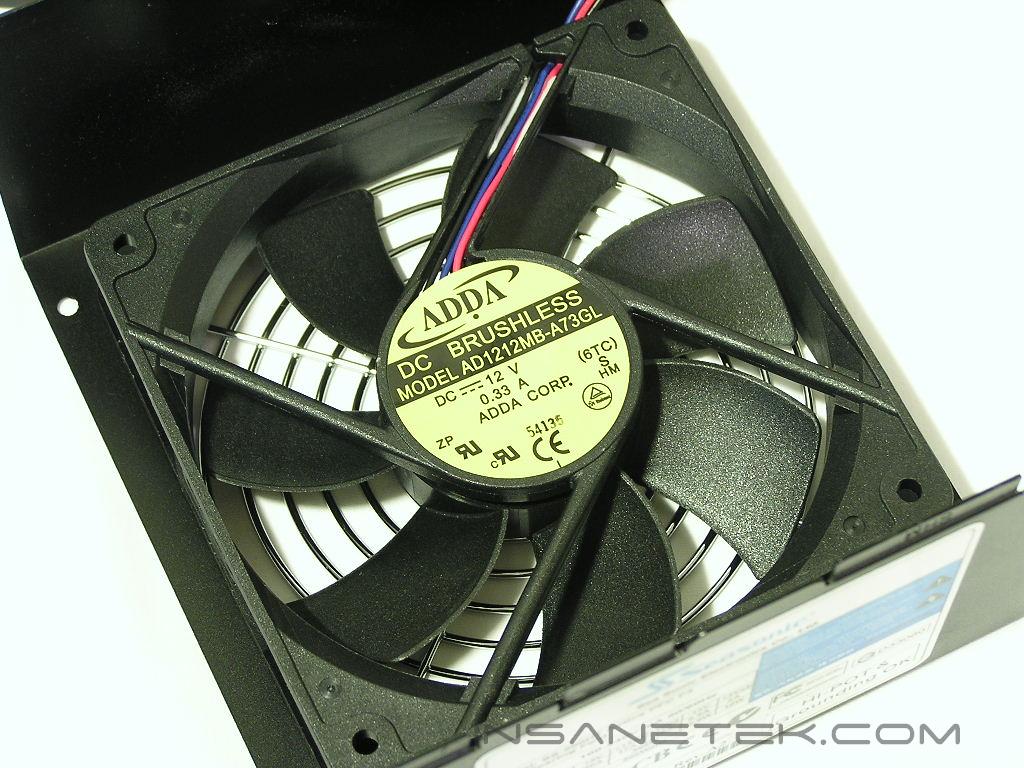
In comparison to OCZ’s line of PowerStream power supplies, the S12 is much lighter in comparison. Generally, heavy power supply weight is an indication of a good power supply that uses quality components and heatsinks. Yet when I opened up the chassis, I immediately noticed Seasonic’s efficient use of aluminum heatsinks. The heatsinks are bent sideways in a way that ensures the airflow of the 120mm fan is directed over a maximum amount of surface area. The heatsink, which looks different than standard powers supply heatsinks, looks lighter and seems to cool more effectively. The result is a power supply that can cool efficiently with a lighter weight. Seasonic also made good use of the space within the chassis. Unlike low quality power supplies that waste space with small circuit boards, the S12 utilizes a full circuit board with no wasted space visible. The large 120mm fan is made by ADDA and is a brushless fan that blows into the chassis. Unfortunately, after looking as much as possible, I could not locate any adjustable pots inside. While not necessary, having adjustable pots is an added convenience for enthusiasts needing to adjust the voltages on the rails.
Features and Specifications
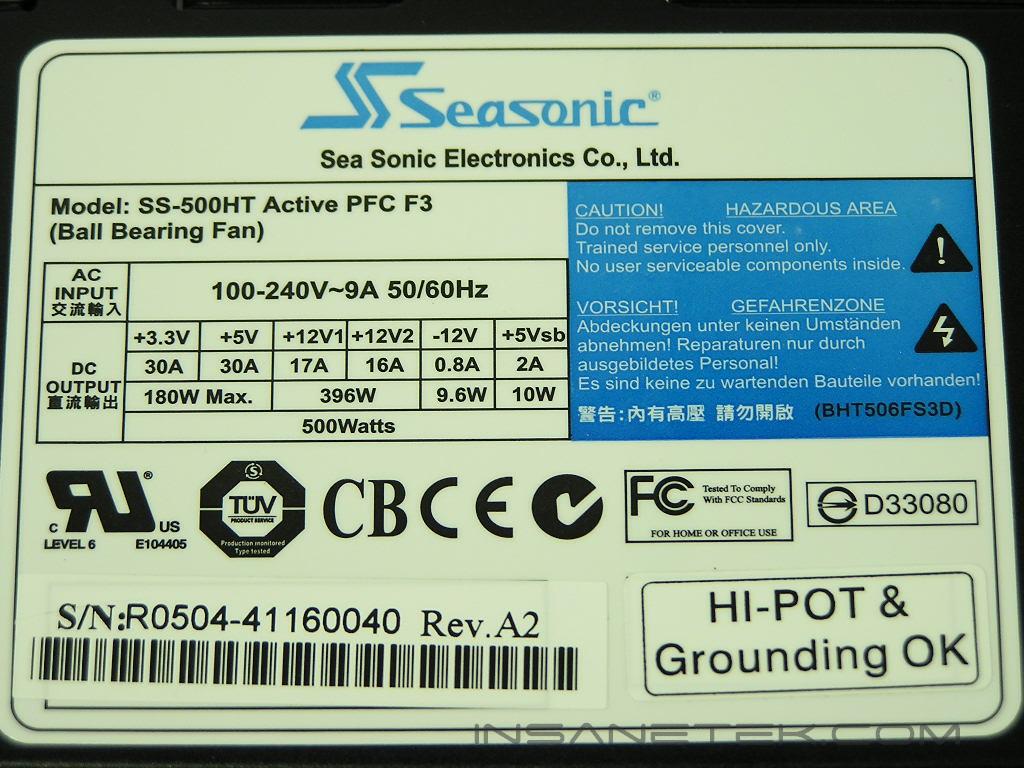
Most enthusiasts looking for a quality power supply desire a good amount of amps per rail to ensure stability. In comparison to the 40+ amps that we are used to seeing from major players, such as OCZ and Silverstone, Seasonic’s 30 amps for the 3.3v and 5v rail seems quite modest. However, the S12 comes with Dual 12V rails for added stability, which is a plus, considering the 12v rail may be the most power hungry rail of all. While the amps per rail may seem low, the S12 comes with a myriad of features that make up for the low amps.

The S12 has some notable value-added features that make it stand out from the rest of the competing power supplies. Seasonic was the first power supply manufacturer to implement an effective Active PFC function. As previously explained in other power supply reviews, Active PFC “conserves energy and our environment” by maximizing the amount of input power and reducing the amount of dissipated heat. Another remarkable feature is Seasonic’s 80% efficiency rating. At 80% efficiency, the S12 has achieved a remarkable feat, considering most of the other power supplies we have reviewed only reach about 70 - 75 percent efficiency. The S12 also features almost every protection possible to ensure the safety of your power supply. In the unlikely event that the S12 fails, which is unlikely because of its 100,000 hour MTBF, the power supply comes with a 3 year limited warranty.
Test Setup and Results
Test Setup: Overclocked Settings:
- 1.7v chipset voltage
- 1.4v LDT voltage
- 1.65v CPU Voltage
- 3.0v VDIMM voltage
Testing the power supply is a tedious task. Like cooling products, the “proper” testing method is long and strenuous. It involves high end equipment and testing materials that we simply cannot get our hands on. A simple proper testing method would be to test the wattage draw from the AC outlet, voltage rail fluctuations, wattage fluctuations under high operating temperatures, power efficiency, and the power supply’s reaction to low input voltage. But because this site is dedicated more to overclocking, we’ll check for voltage fluctuations in an overclocked environment. After all, that is what overclockers generally care about.
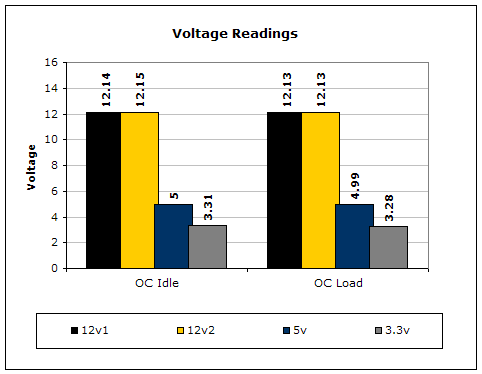
To test for voltage fluctuations in an overclocked environment, I used a digital multimeter. For idle voltages, I ran the computer with no programs running in the background. To test for load, I ran Prime95 blended to stress both the CPU and the memory, and I also ran 3dMark01 Nature test to stress the graphics card. While I lack the necessary CPU to match the power of the 7800GTX, I managed to overclock the Venice past FX-55 speeds. I increased the voltage of every possible voltage option in the bios, but left the 7800GTX at standard speeds, as it already produces a good amount of wattage. Throughout all testing, the S12 easily stayed within the 5% spec and barely fluctuated. While testing, I also notice how quiet the power supply was at all times. Placing my ear very close to the power supply after 30 minutes of testing allowed me to hear the small increases in fan speed as the power supply got hotter. Taking a step back allowed me to experience the silence that Seasonic has been well-known for. I could barely hear the power supply at all, even after taking off all the case fans.
Conclusion and Thoughts
I am utterly impressed with the performance of Seasonic’s S12 power supply. The power supply performed beyond my expectations for it’s lower ratings in comparison to the competition. The S12 was equipped with enough features that made up for the lack of competitive system specs. The excellent results with a high-end machine supporting the latest 7800GTX video card are proof of the S12’s unprecedented stability. While the S12 lacks the bling in comparison to an X-Connect or ModStream, Seasonic still understands the need for cleanliness and convenience by supporting a wire loom for wire management, a black chassis for looks, Molex-grip connectors for connecting convenience, and twisted wires for cleaner wires; Not bad for a company who cares more about stability than looks. More importantly, Seasonic’s power supply is backed by a company that actively seeks certification by industry-leading standards, such as ISO 9001 and ISO 9002, which are excellent indicators of a company’s attention and devotion to quality. Certifications like this are attributable to a rare few; Seasonic’s investment in these standards is marked by their innovations, such as a cost-efficient Active PFC, better fan control, and an 80% efficiency rating, which is a rating that is rare among commercial power supplies. The only drawback I can see is the lack of sleeving and the ATX 24-pin connection’s relatively short length, which might pose a problem for some cases. Other than these small drawbacks, I award Seasonic’s S12 InsaneTek’s “Highly Praised” Award for its excellent performance, near-silent operation, quality-driven features, and a competitive price of around 130 dollars. 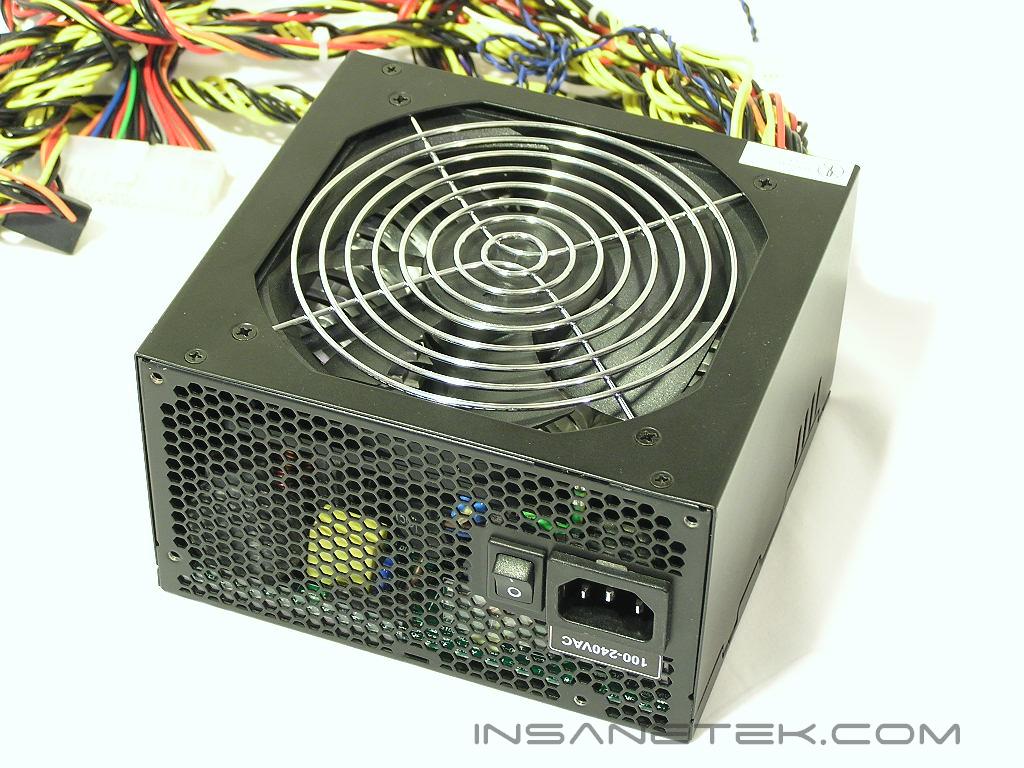
Pros:
- 80% efficiency rating
- 99% Active PFC rating
- Neat-silent operation
- Excellent Stability
- Dual PCI-E connectors
- All-in-one connectors for all system types
Cons:
- No Sleeving
- Short ATX connection

We would like to thank Seasonic for providing us the sample. If you have any questions or comments, feel free to hit us up in the forums. You can also check out more of our latest reviews on the front page.