

Cooler Master Real Power 450W
Introduction
Cooler Master has come up with so many new products lately that I’ve lost track. The new cases are classy and offer users plenty of space to work with. Their new heatsinks have earned themselves a good reputation in the enthusiast crowd. And now with the introduction of their power supplies, Cooler Master continues to offer their fans more of what Cooler Master is all about.
Although power supplies are considered an exhaust of system heat, it should not be the main focus of heat release in a case. The power supply unit itself releases heat and the fans inside are designed to help cool down the components of the power supply. The usual use of multiple or large fans is to only help with system heat. The main focus of a power supply is to bring stable power to your PC system, which quite frankly, is contradictory to what many people look for in a power supply. Manufacturers often hide the poor designs and fluctuating rails with bright flashy LEDs, nicely painted colors, or shielded cables. All of those extras are simply just extras, not necessities. Cooler Master’s first power supply for the enthusiast comes packaged with a lot of extra goodies. Hopefully, they’re not there to “hide” anything.
Cooler Master Real Power 450W
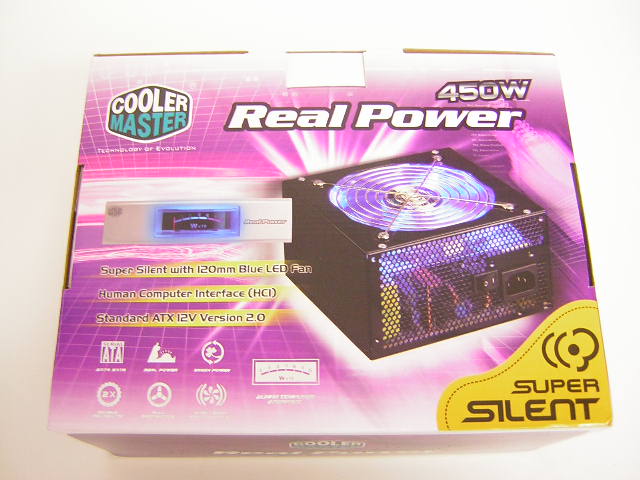
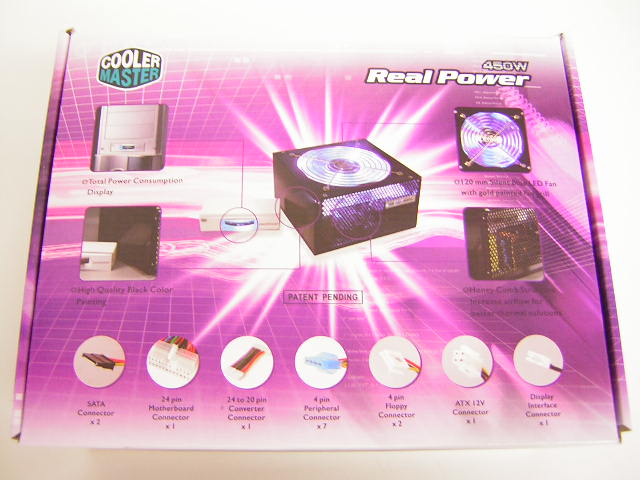
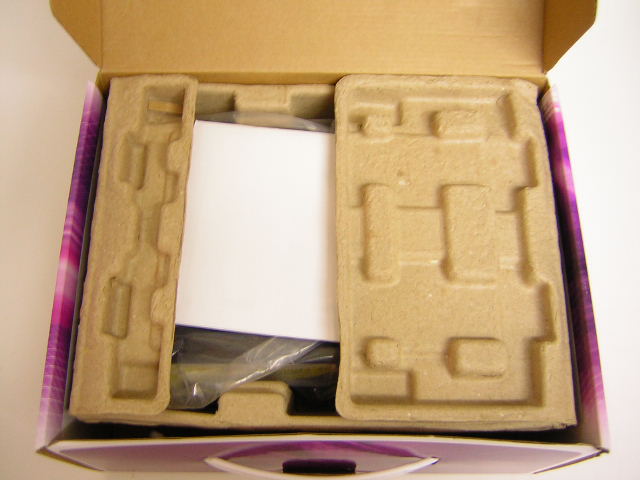
As with the rest of the Cooler Master products, the PSU came well packaged in a large informative cardboard box. The box provides information on the specifications, key features, voltage rail amps, and the number of connectors of the Real Power. Unlike the traditional use of bubble wrap, the Real Power sits inside an “egg carton” wrapping that binds the PSU in place, providing safety during shipping process.
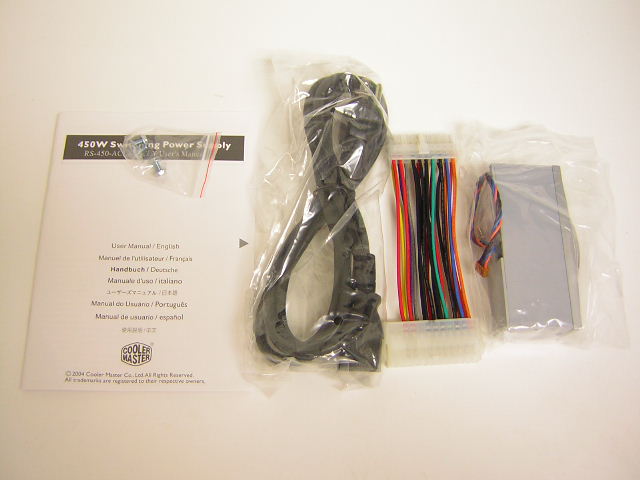
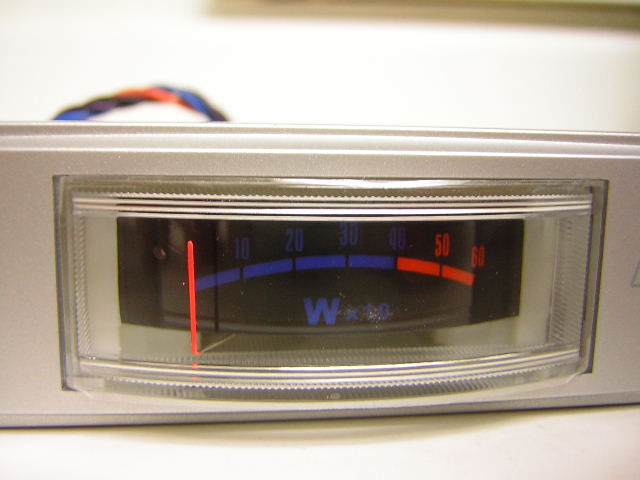
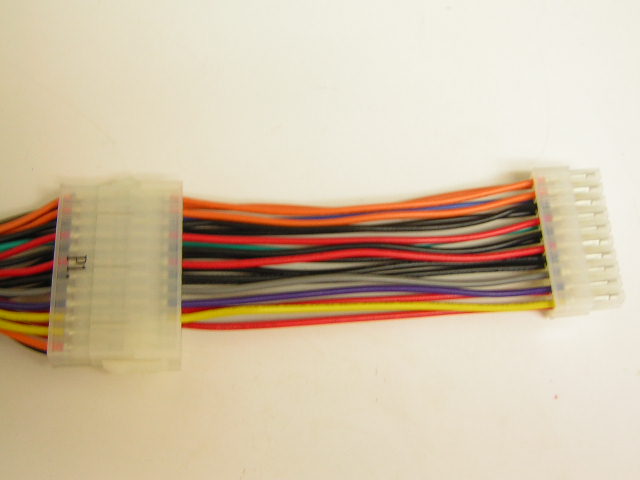
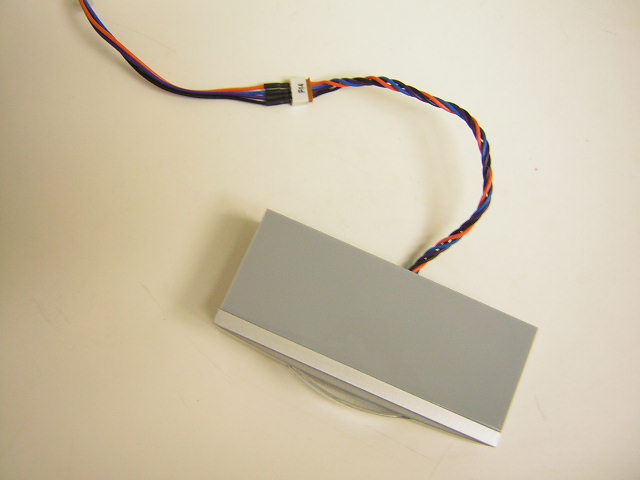
Bundled with the PSU is an AC adapter, 24pin-to-20pin ATX connector, 4 screws, user’s manual, and a wattage meter display. The meter display is an interesting little tool that allows users to see just how much power their system is using. It would have been an extra oomph if the display was an LED display, but that would’ve increased the price. Some might pay for the extra look; heck, I would. The meter display comes in a 3.5” size and fits in the standard floppy drive bays.
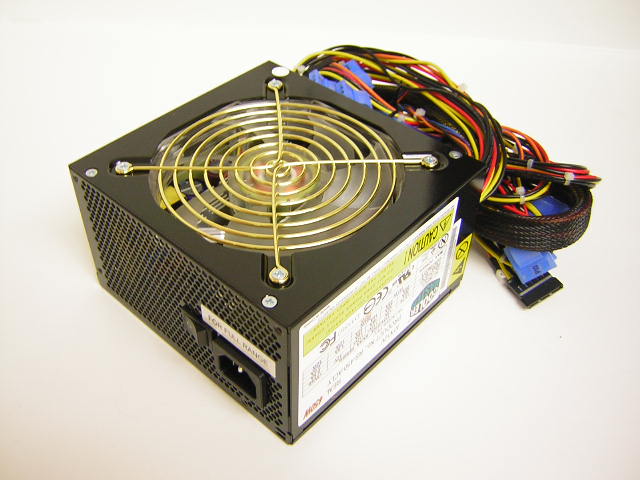
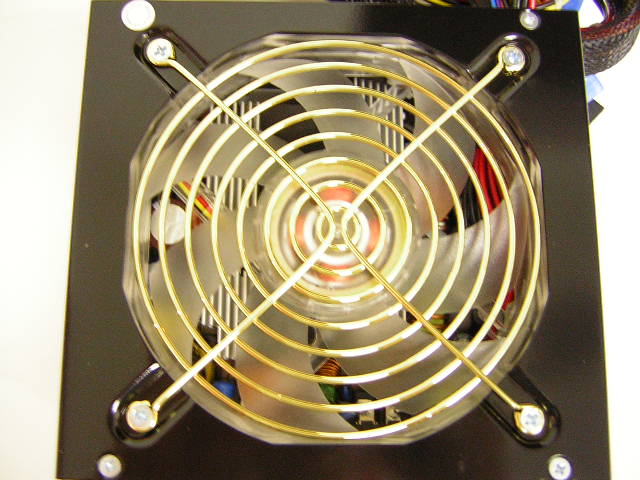
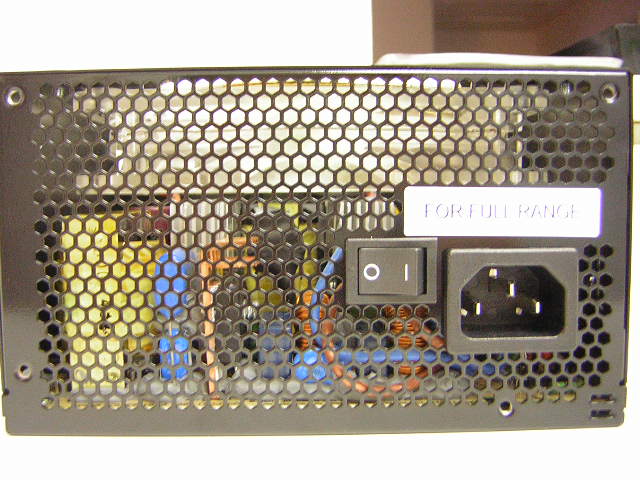
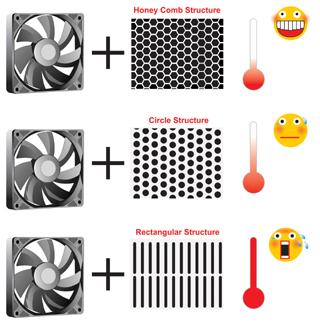
The Real Power comes in a nice glossy black finish and is paired with a large 120mm fan. The exhaust is filled with honey comb-shaped holes that allow for better airflow. Older power supplies come with slits or circular holes for ventilation, but do not provide efficient openings for heat to flow out. Cooler Master provides a cartoon diagram that shows the benefits of using the honey comb design.
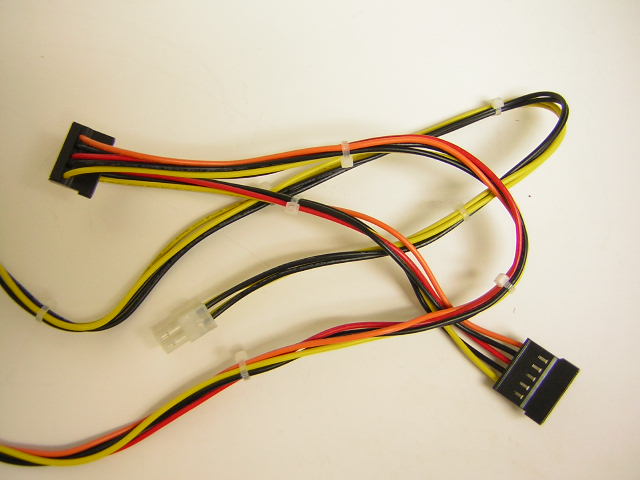
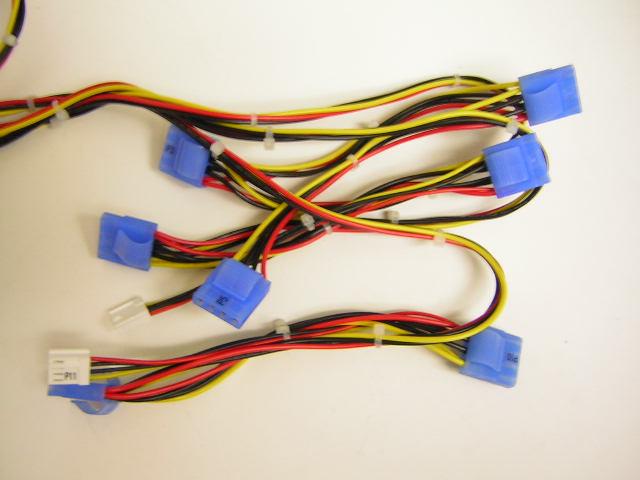
Much like all enthusiast power supplies, the Real Power comes equipped with enough power connectors to suit your needs. There are seven 4pin connectors, two 3pin connectors, two SATA connectors, a 4pin 12v connector, and a cable to connect to the wattage meter display. Although there are no nice sleeves on the cables, they are tidied up by zip ties. I typically use zip ties to clean up my wires as well. Like the Fortron Blue Storm, the 4pin power connectors come with easy grip handles for easy unplugging from drives. There are advantages and disadvantages with these grip handles. The advantage is that it plugs and unplugs easily; no more wiggling stuck power connectors. The disadvantage is that it doesn’t have a nice fit to current power hungry video cards. The cables are long enough to allow problem free installation in full-tower and mid-tower cases.
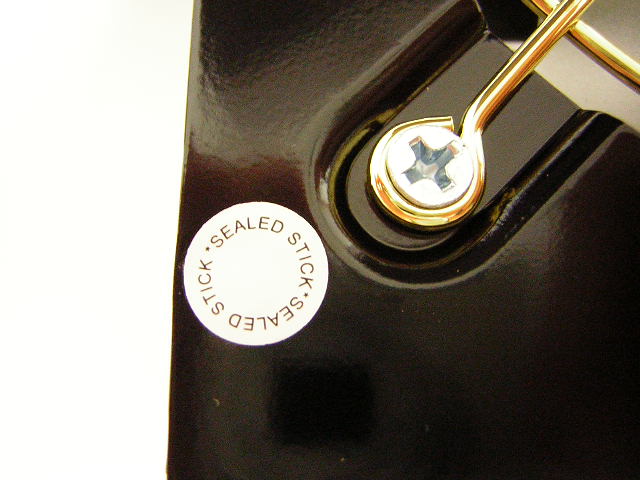
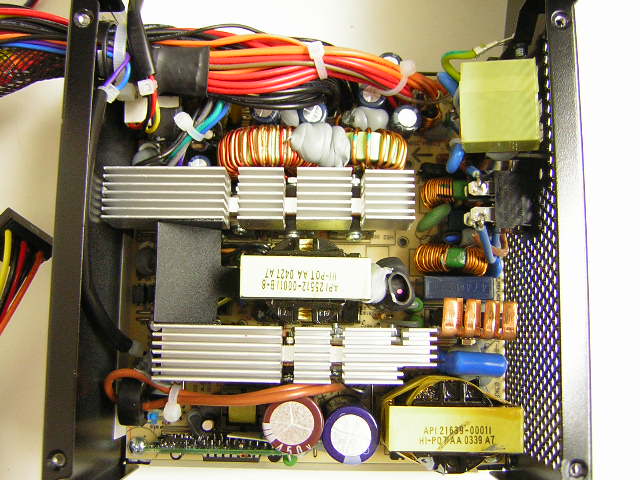
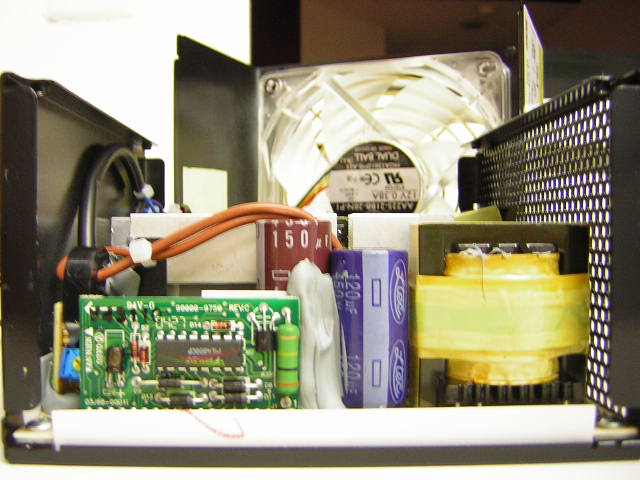
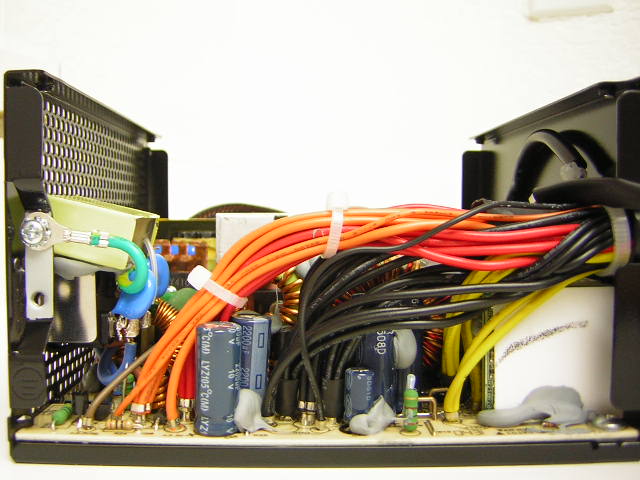
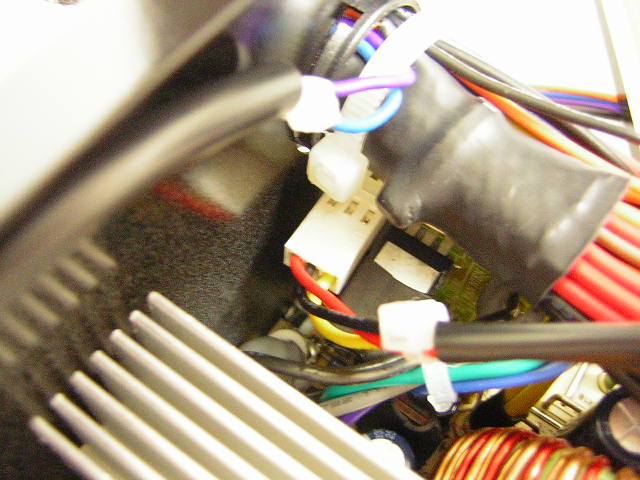
In order to prevent users from voiding the warranty and ruining the power supply, Cooler Master sticks a small sticker over one of the screws of the power supply casing. Of course, I went ahead and voided the warranty. The Real Power is packed with a good amount of components. Common sense and general rule of thumb says that having more components is generally always better. The Real Power is rated to be at a rather high 75% efficiency. Current power supplies are usually rated to be at about 70% or less. The higher the rated power supply, the smaller the heatsink size is needed. Although the heatsink size is enough for the heat being released, it would have been preferable to have larger heatsinks, as there is definitely enough room for it. Many people will wonder why I always push to see the use of larger heatsinks. The main reason is that it keeps the power supply from degrading. Power supplies do put out a lot of heat, and with the extra heat coming from the rest of the system, components inside a power supply can degrade quite fast if they’re not cooled properly. It’s just the same with cooling CPUs. Why would you want to settle for something that is only adequate when you can get yourself something better to increase the longevity? I checked around the power supply and did not find any adjustable potentiometers available. For the typical overclocker, those are not necessarily needed if the rails are strong and stable. Adjustable potentiometers come in handy when rails fluctuate a lot, or if an extreme overclocker wants to push everything to the limits. Heck, I don’t use it. The 120mm fan has the standard 3pin fan connector if there is ever a need to switch out the fan.
Specifications
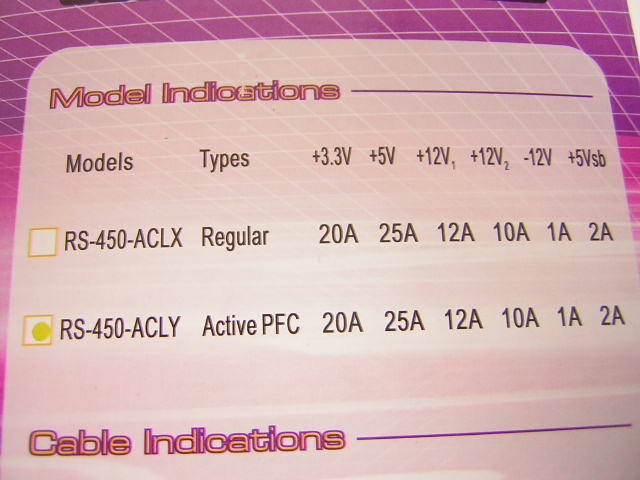
Up until now, the Real Power has represented itself as a good contender. However, the amps on the dual 12v rails are disappointing. They are rather low, supplying only 12A for 12v1 (the 4pin 12v for CPU) and 10A for 12v2 (the rest of the components in the system). Even the Fortron Blue Storm had higher amps for these rails. Because of Intel’s new ATX v2.0 requirement, power supplies should now be shipped with a 24pin ATX connector and dual 12v rails. Notice that there is no -5v rail. This means that diagnostic LEDs on motherboards or the OCZ DDR Booster will not be powered.
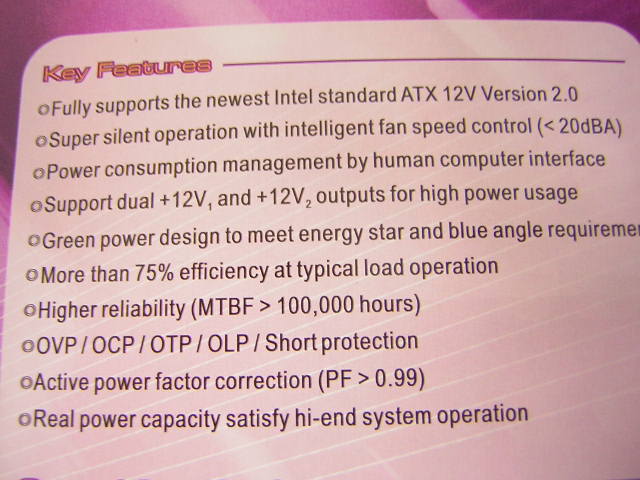
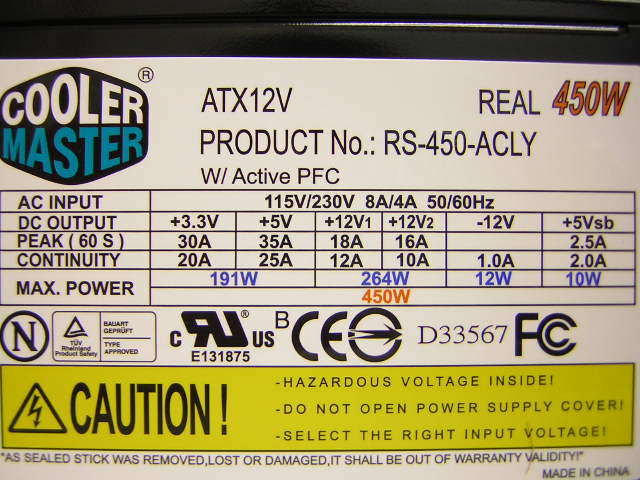
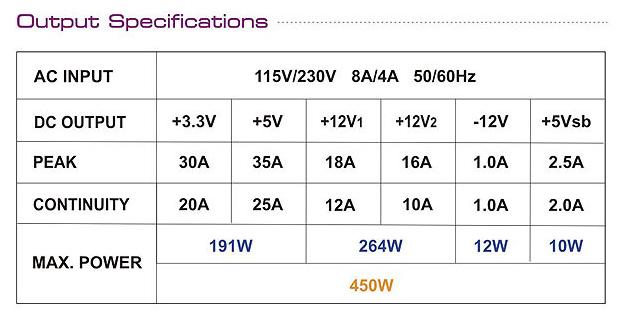
The Real Power offers offers a low level of protection and features:
- OVP (over voltage protection)
- OCP (over current protection)
- OTP
- OLP
- Short Protection
- Active PFC
Test Setup
Testing Setup and Methods:
- Intel 2.4C
- Asus P4C800-E (with droop mod)
- BFG 6800 OC
- 2 x 512MB Kingston HyperX PC3200UL
- Western Digital 30GB 7200RPM
- Pioneer 10x DVD Rom
- Sony Floppy
- 2 x 80mm Antec Fans
- DLink 802.11b wireless NIC
Running Stock:
- Intel P4 2.4C – 2.4GHZ @ 1.525v
- Kingston HyperX PC3200UL – 200FSB 1:1 200MHZ @ 2.65v
- BFG 6800 OC – 350/700
- VAGP 1.5v
Running Overclocked:
- Intel P4 2.4C – 3.48GHZ @ 1.7v
- Kingston HyperX PC3200UL – 290FSB 5:4 232MHZ @ 2.85v
- BFG 6800 OC – 380/880
- VAGP 1.8v
To test the power supply, a digital multimeter was used. For idle voltage readings, the system was left on desktop not running any programs. For full load, the system ran 2 instances of CPU Burn-in, Prime95 torture test for maximum power consumption, and the Nature test in 3DMark2001SE. CPU Burn-in is a good program to maximize the CPU load.
Results
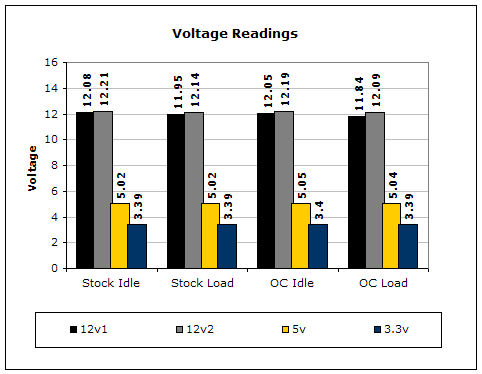
The results were fairly surprising. Although the dual 12v rails were supplied with low amps, they still managed to keep the rails running rather decently. In fact, it was better than the Fortron Blue Storm that had higher amps. The 3.3v and 5v rails ran higher when the system was overclocked, which was quite surprising. At first I thought there was an error during my testing, but the retesting yielded similar results.
Conclusion and Thoughts
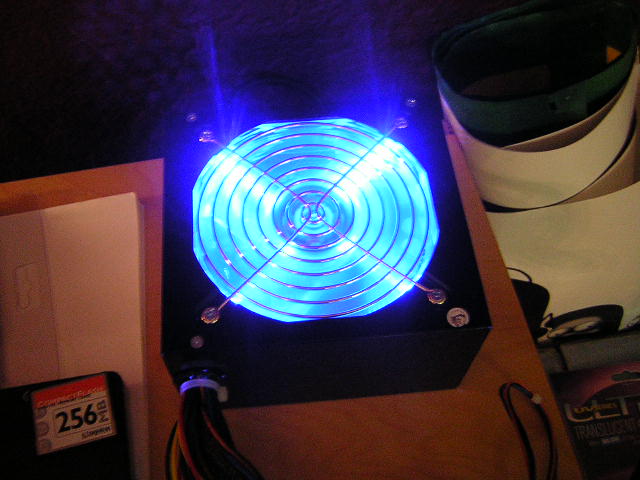
Cooler Master’s step into the power supply category started in the right direction. The Real Power supplies 450W of pure power and keeps things running nicely with a 75% efficiency. To help cool the power supply, a large silent blue LED 120mm fan is used. The cool thing about the Real Power is the small wattage display. While running the system overclocked, the meter showed a rough estimate of about 250W. The power supply would have had the InsaneTek Must-Have award if it weren’t for the lack of adjustable potentiometers and the low 12v amps, but it definitely gets the Recommended award for being able to keep the rails stable. If Cooler Master keeps up with this kind of work and supplies more amps to the important 12v rails, they’ll definitely be one of the top dogs in the power supply competition.
Pros:
- Glossy black
- Large quiet blue LED 120mm fan
- Wattage meter display
- Easy grip connectors
- Higher than typical power efficiency of 75%
Cons:
- Low amps for 12v rails
- Small heatsinks

We would like to thank Cooler Master for providing us the sample. If you have any questions or comments, feel free to hit us up in the forums. You can also check out more of our latest reviews on the front page.