

Thermalright SI-97
Introduction
Thermalright has been reigning king of aircooling for quite some time now. The SP-94 and SP-97 were proof that aircooling still has a future. The only competition Thermalright is facing seems to be themselves, and with the release of the XP-120 and XP-90, no other manufacturer is capable of reaching their level of performance. The XP-120 and XP-90 were great solutions for Intel Socket 478 and AMD K8 CPUs, but Thermalright has not forgotten about the widely owned Socket A platform. Thermalright now introduces the SI-97, a cheaper and lighter solution than the previous SP-97as part of the Light ‘N’ Easy tradition.
Thermalright SI-97
The SI-97 comes in the typical cardboard box Thermalright is known for. The heatsink is well protected by a plastic bag and cushioned with soft foam padding. Like the XP-90, the heatsink is designed to utilize 92mm fans. Rather than the standard 80mm fans, larger fans provide the high CFM without the high noise. However, large fans are not always better. A good example would be the Swiftech MCX heatsinks, which are optimized for 80mm fans. Lab tests have proven that larger fans do not work as well with the MCX heatsinks. The large fans create a bigger dead spot in the center of the heatsink. But with the new Thermalright Light ‘N’ Easy heatsinks, the larger the fan, the better. The use of 92mm fans is a must. If you don’t own a 92mm fan, then get one. The SI-97 does allow the use of 80mm fans with the included fan brackets, but it’s not ideal.
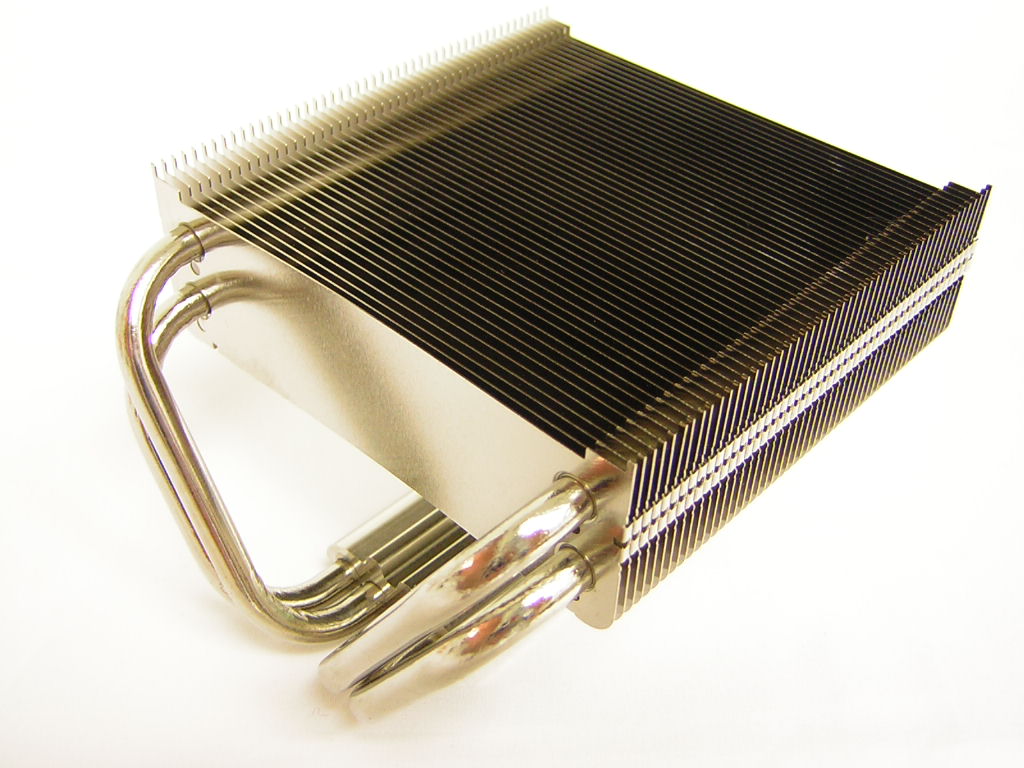
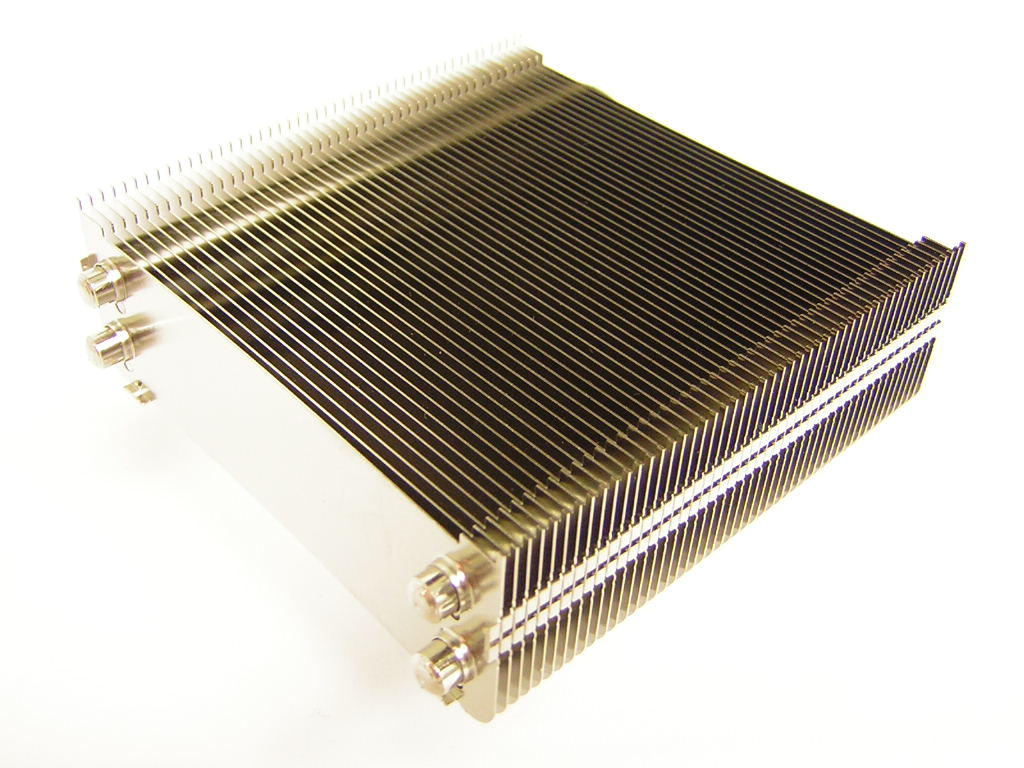
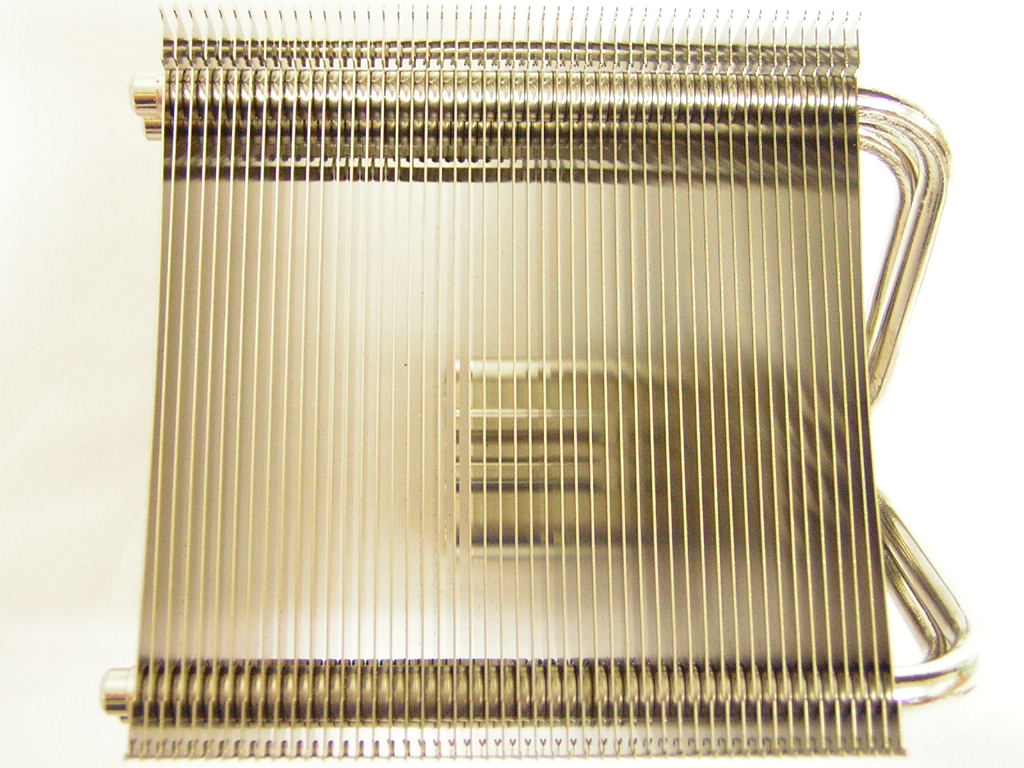
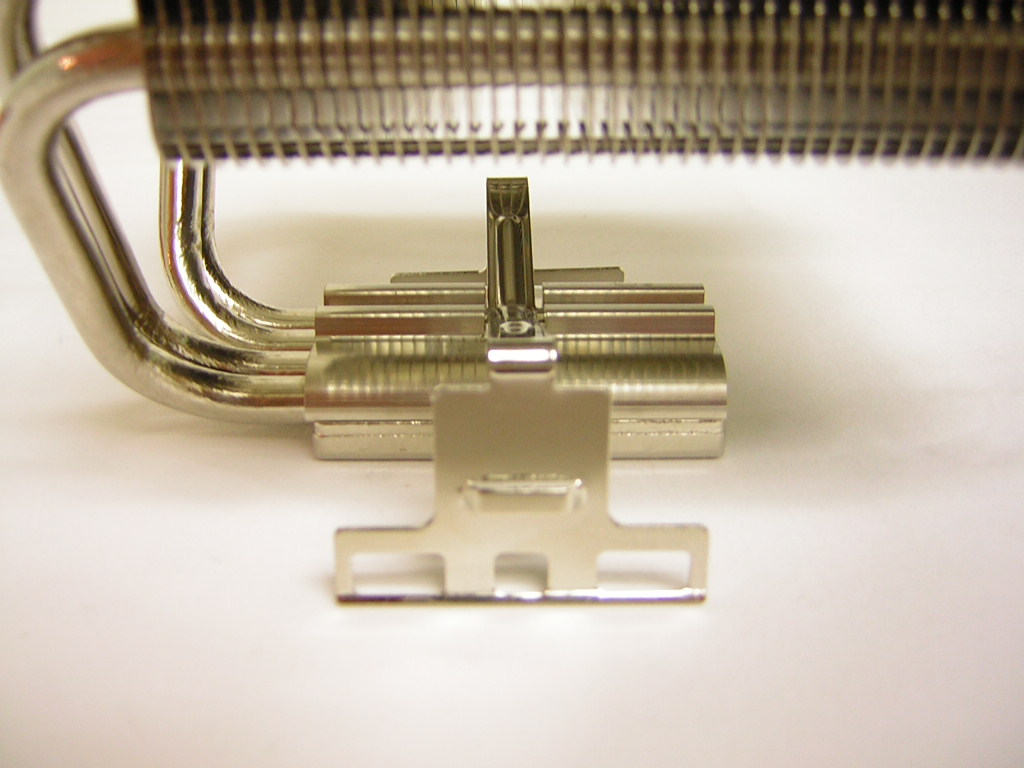
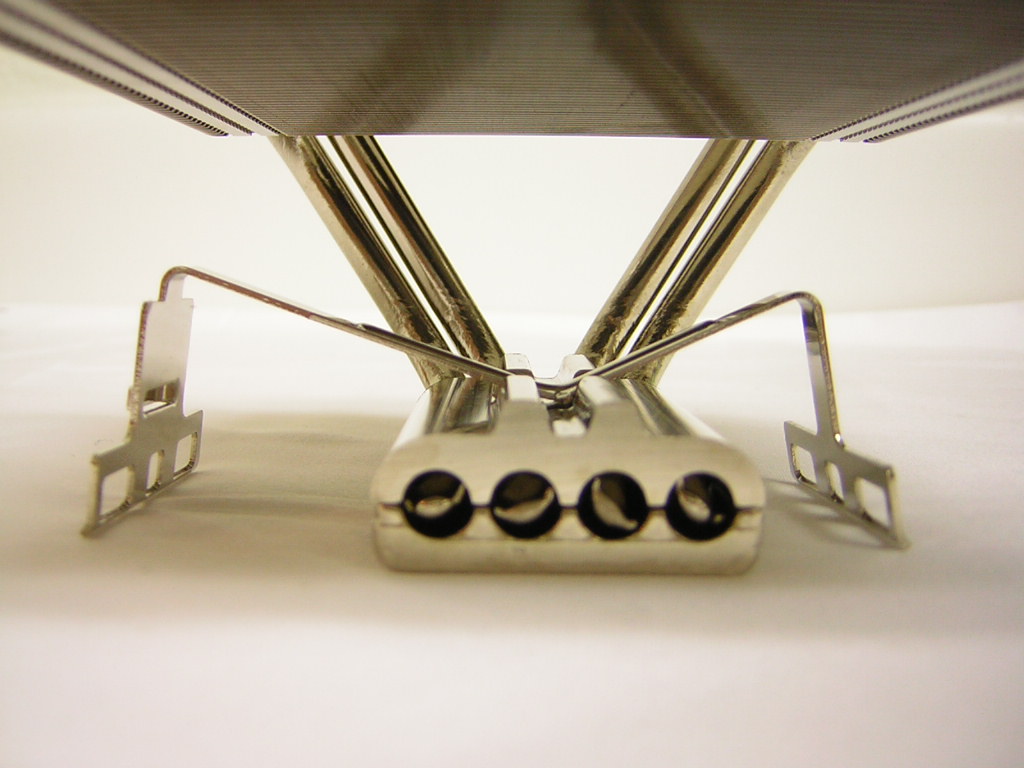
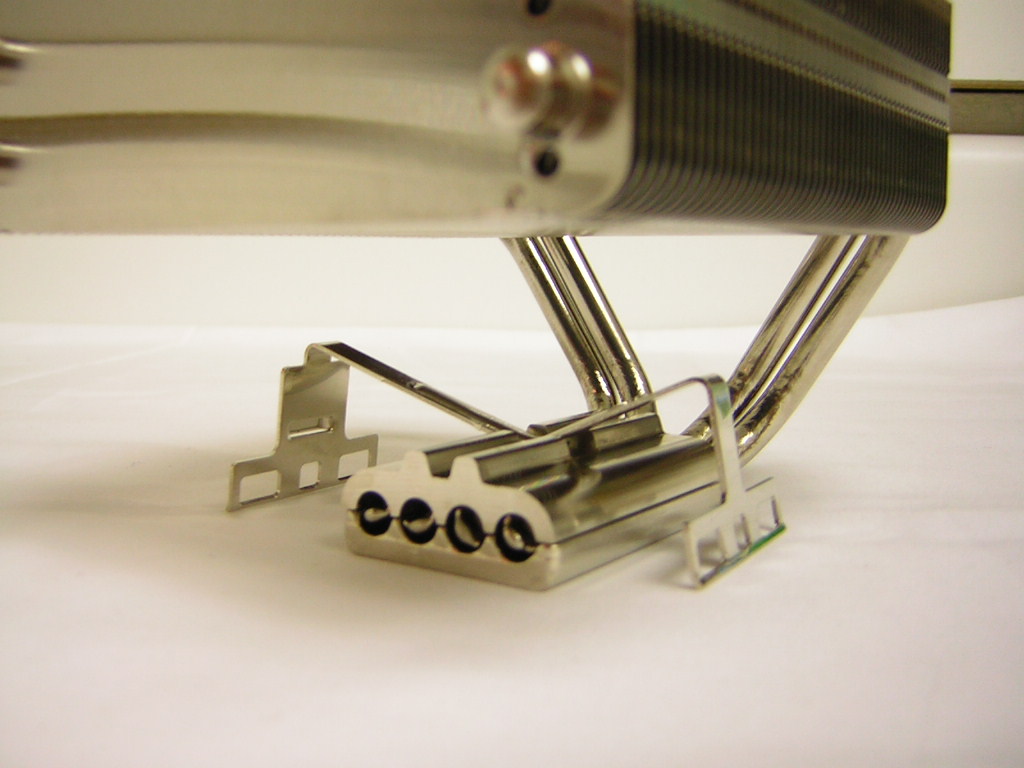
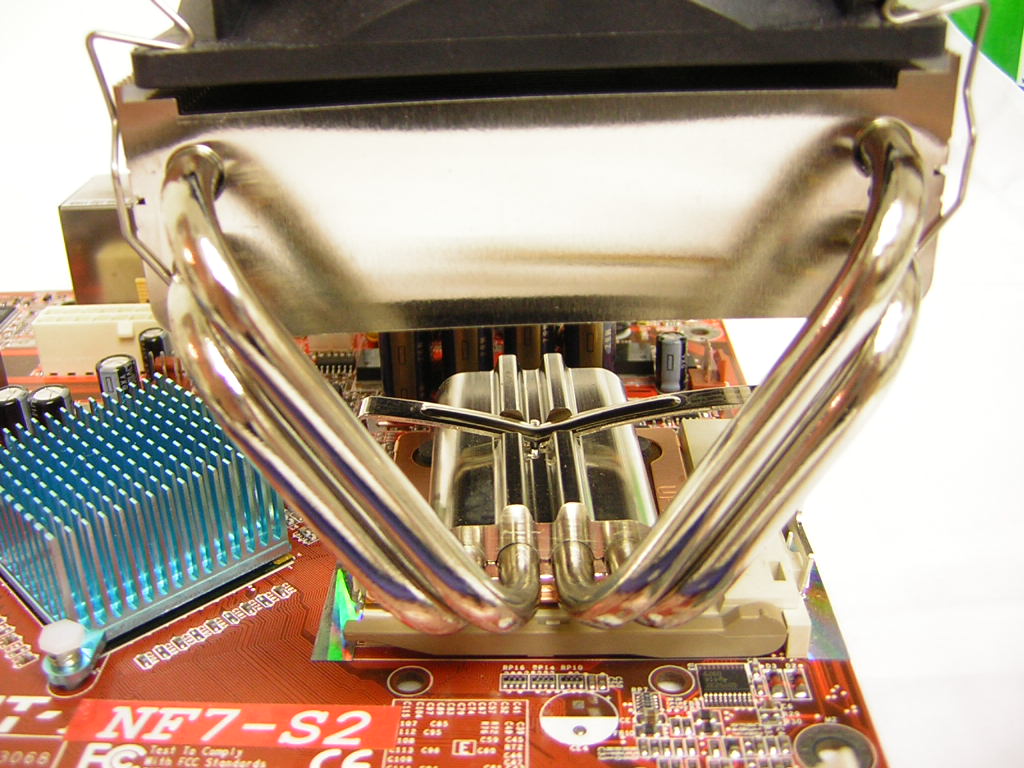
The SI-97 is a lot like the XP-90. Both are optimized for use with 92mm fans, both use 4 heatpipes, and both have lots of fins. The only difference is that the SI-97 relies heavily on the 4 heatpipes to transfer heat to the aluminum fins, while the XP-90 has fins right at the base for immediate heat dissipation. The lack of fins at the base can really hurt performance, especially in overclocked systems producing extreme heat.
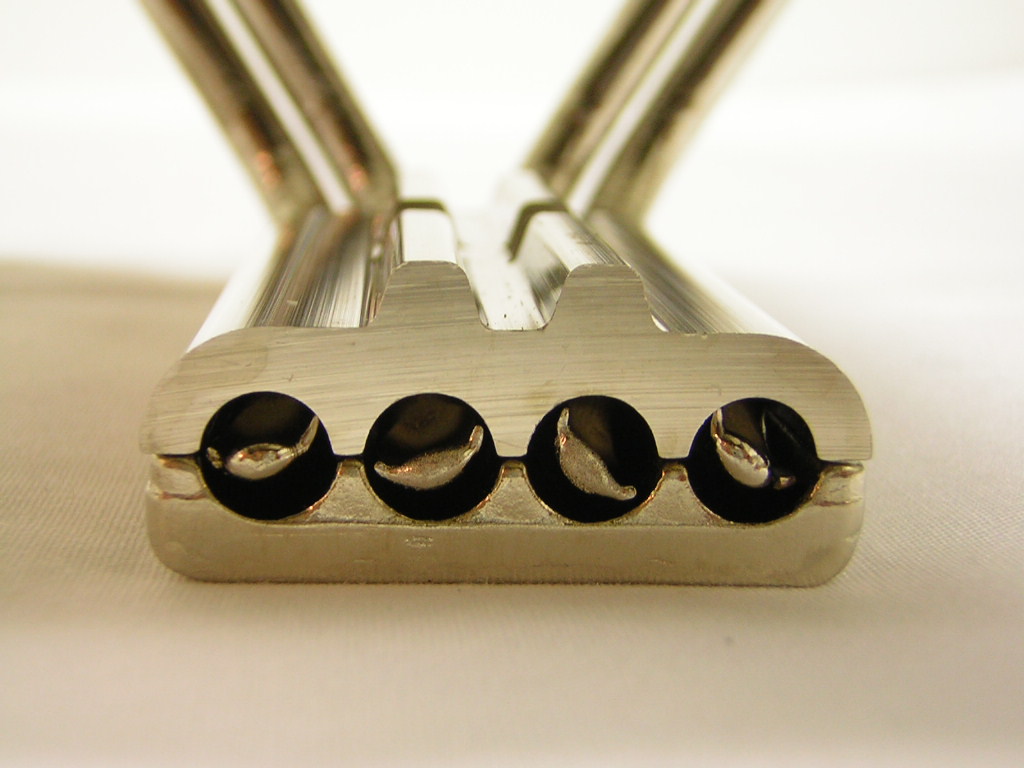
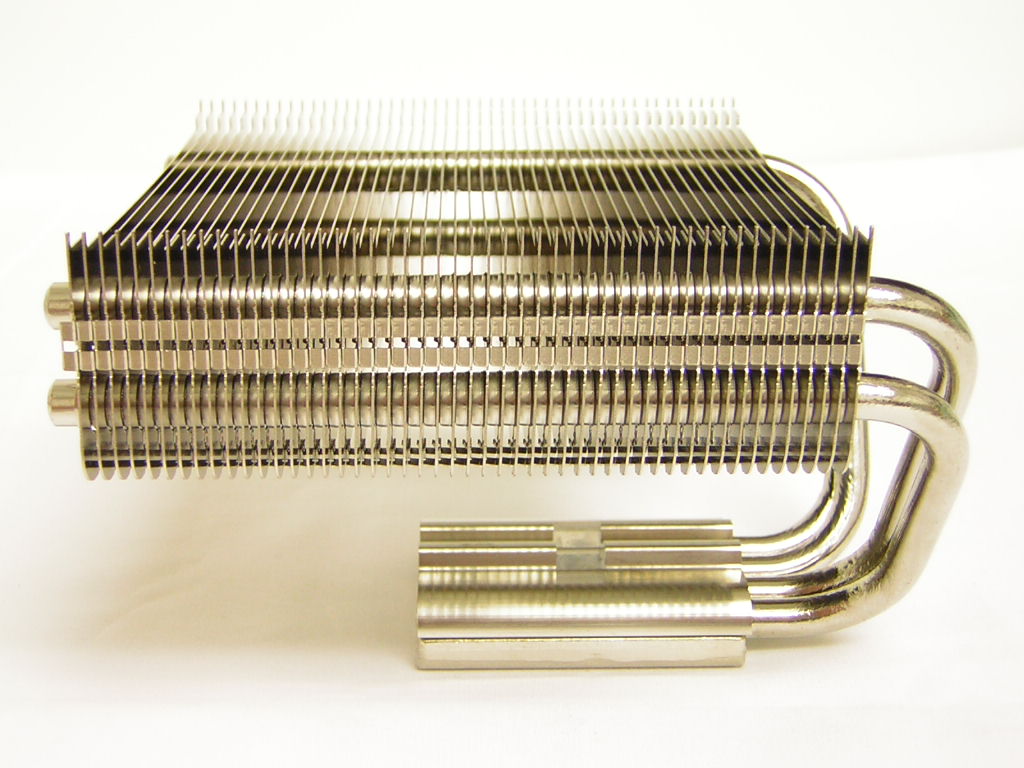
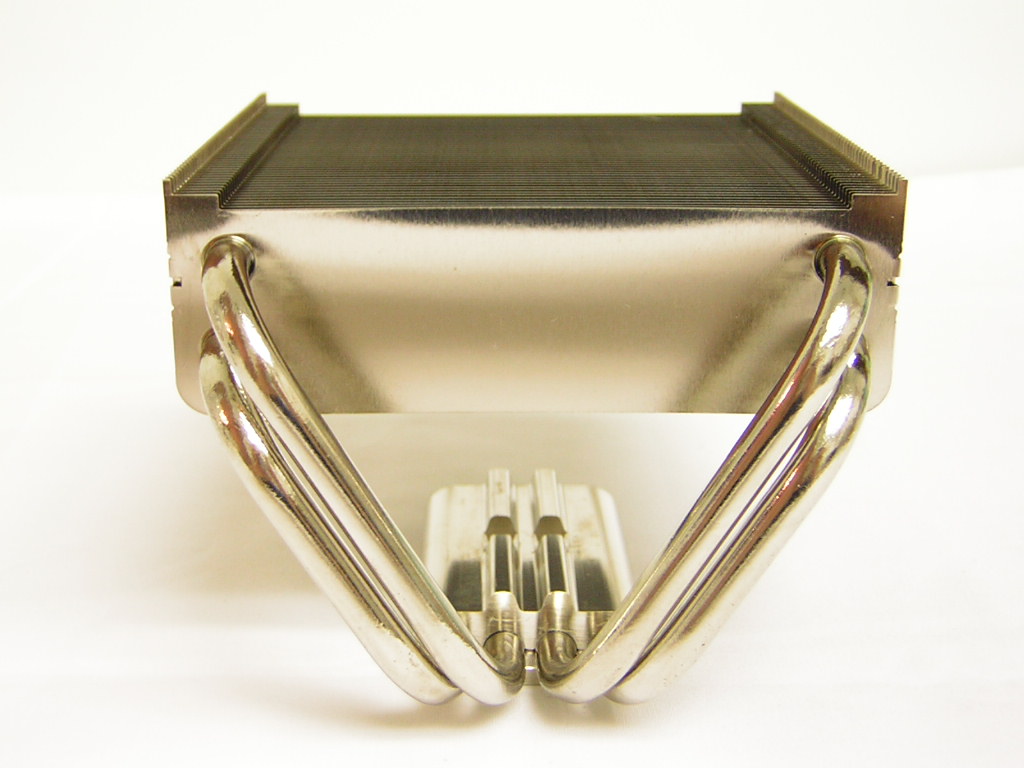
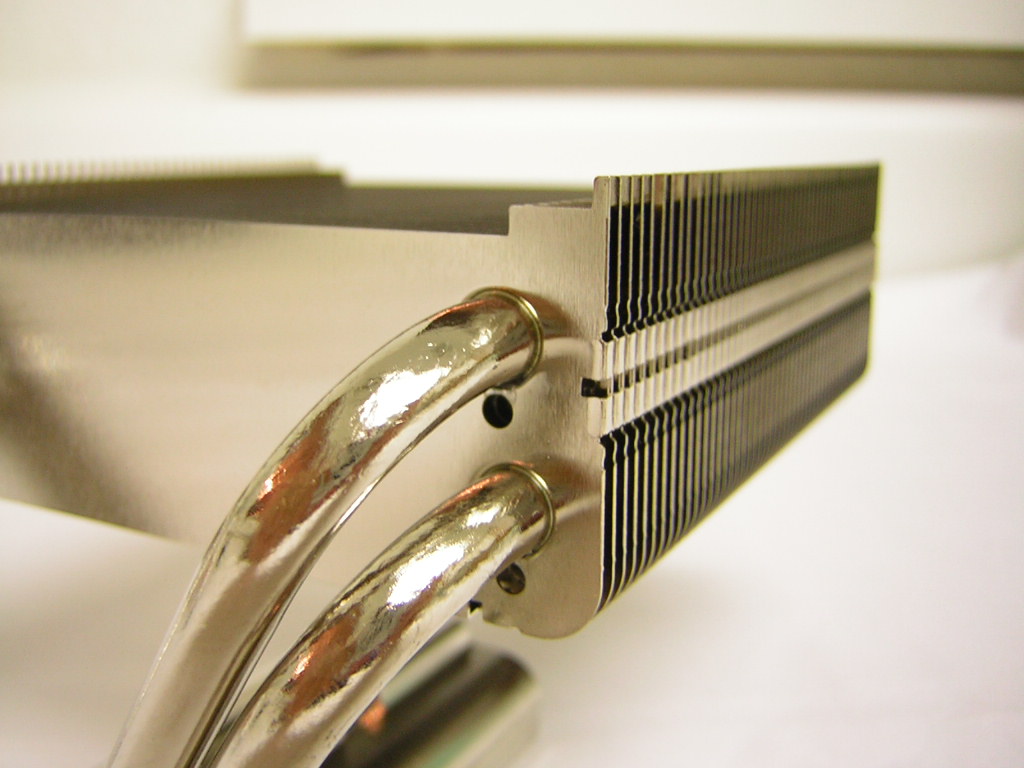
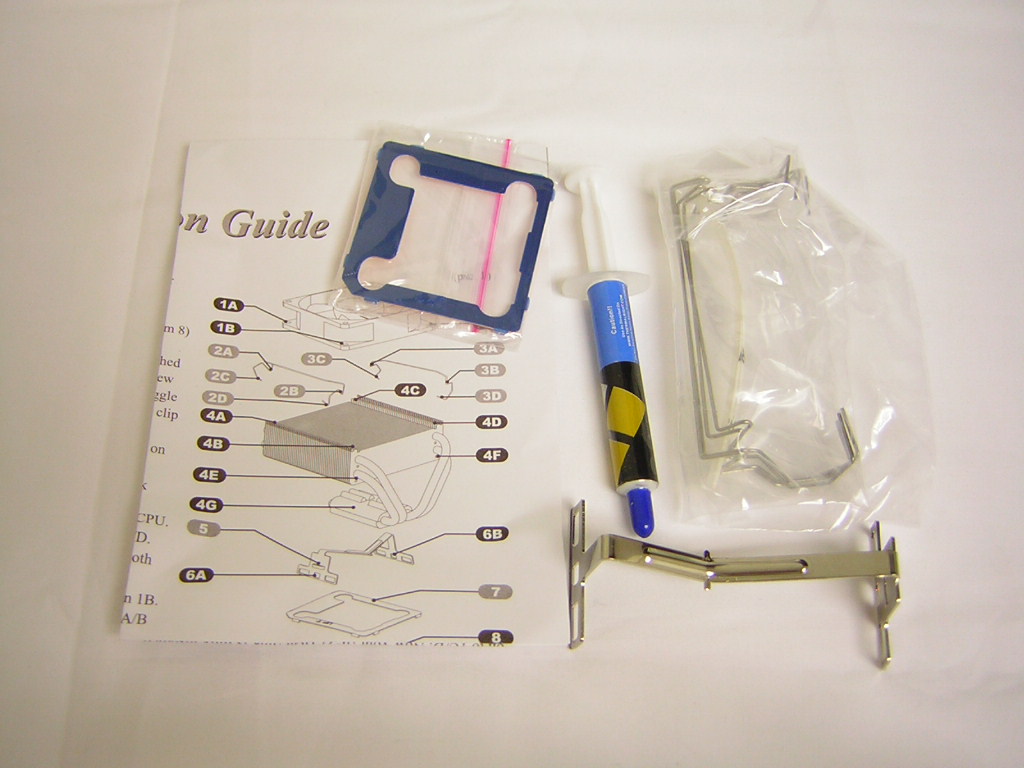
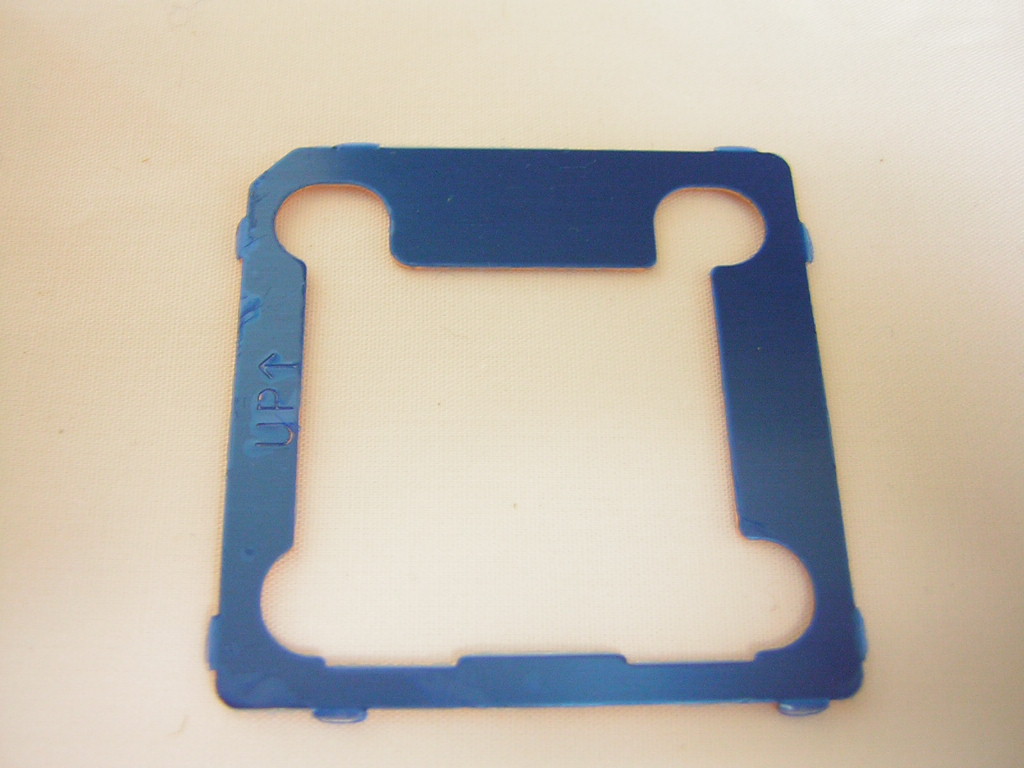
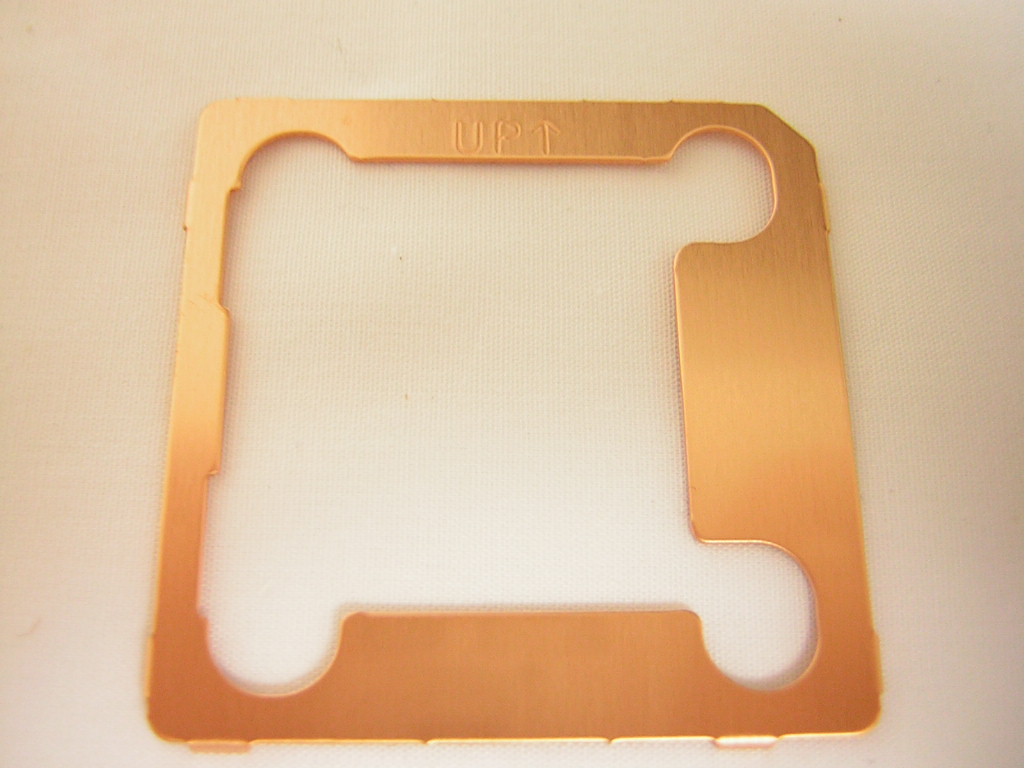
The included pack of accessories includes the 80mm and 92mm fan brackets, a tube of thermal grease, 2 vibration dampener strips, an instructions manual, and, surprisingly, a copper shim. Because the base of the SI-97 is smaller than the size of the Socket A CPUs, the base cannot make use of the rubber pads on the CPU for balanced cushioning. The use of a copper shim helps stabilize the pressure applied when installing the heatsink, and is extremely helpful to those who are not very familiar with heatsink installation. Basically, the shim is there to prevent CPU cores from being crushed. One disadvantage of the copper shim is that it traps a small amount of heat, due to the nature of copper. The small engraved “UP” denotes what side is to face the edge of the socket cam box, where it says “Socket 462”. This helps the user properly install the shim. If not installed correctly, the shim can touch the bridges on the CPU and cause hardware damage.
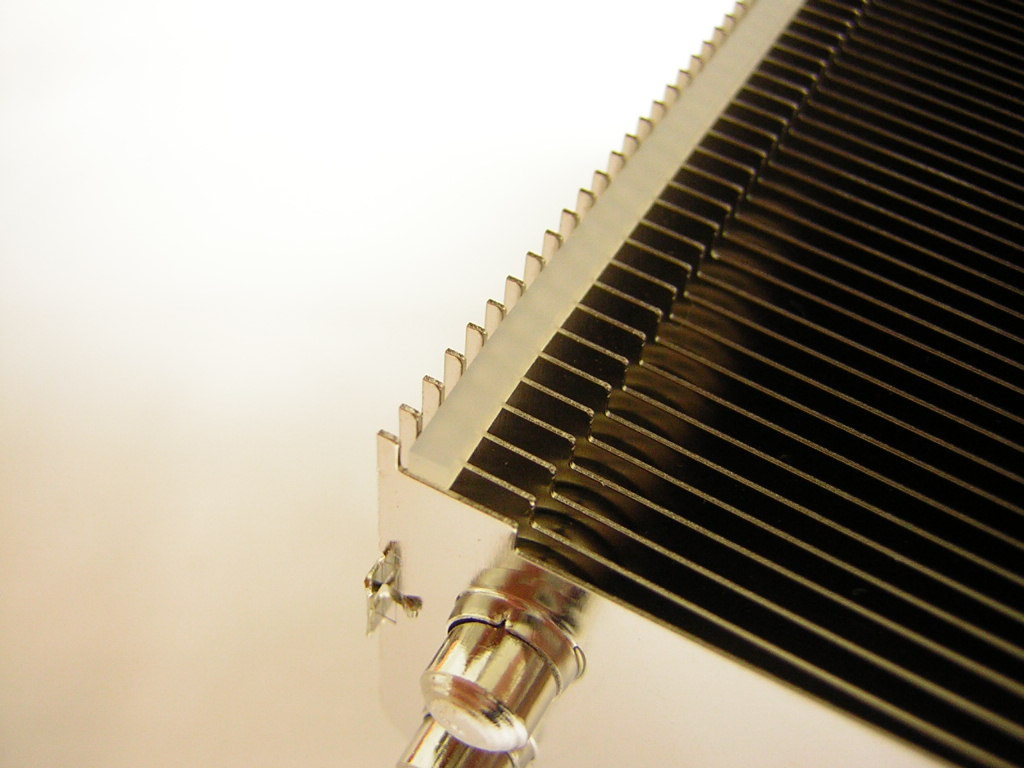
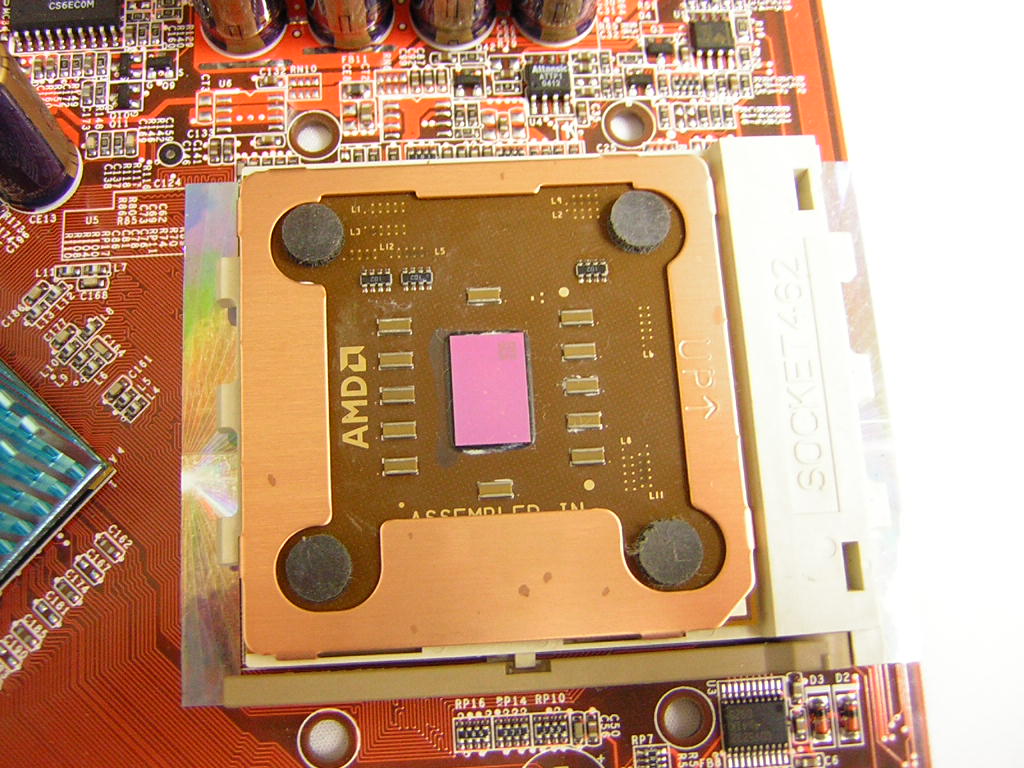
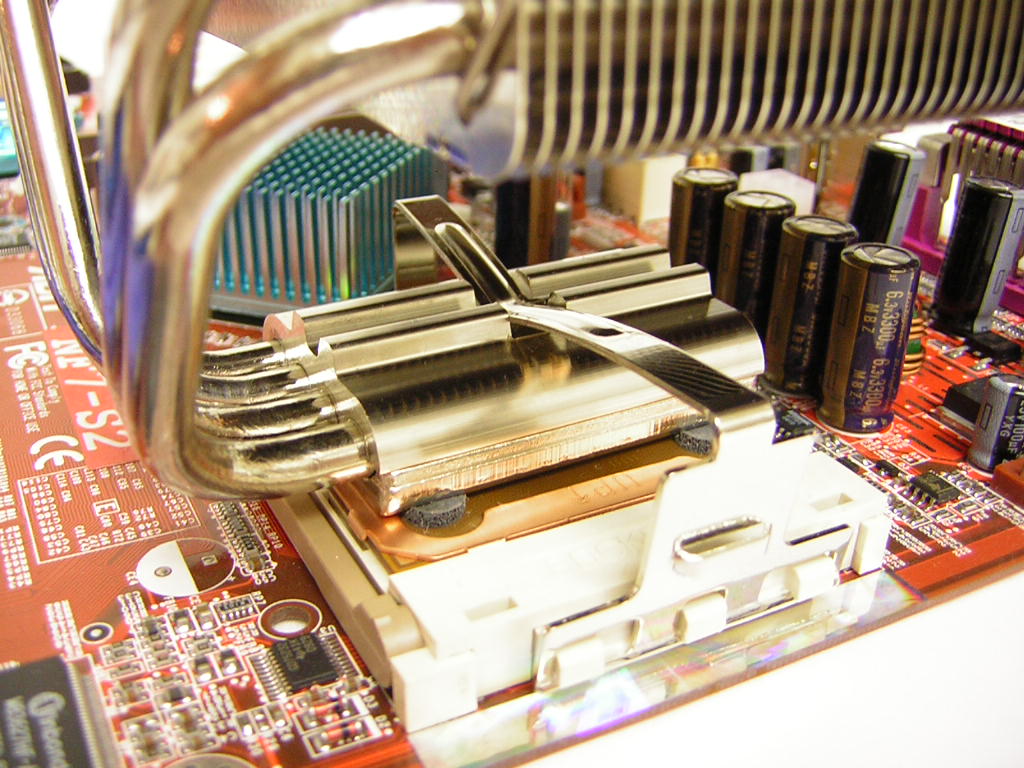
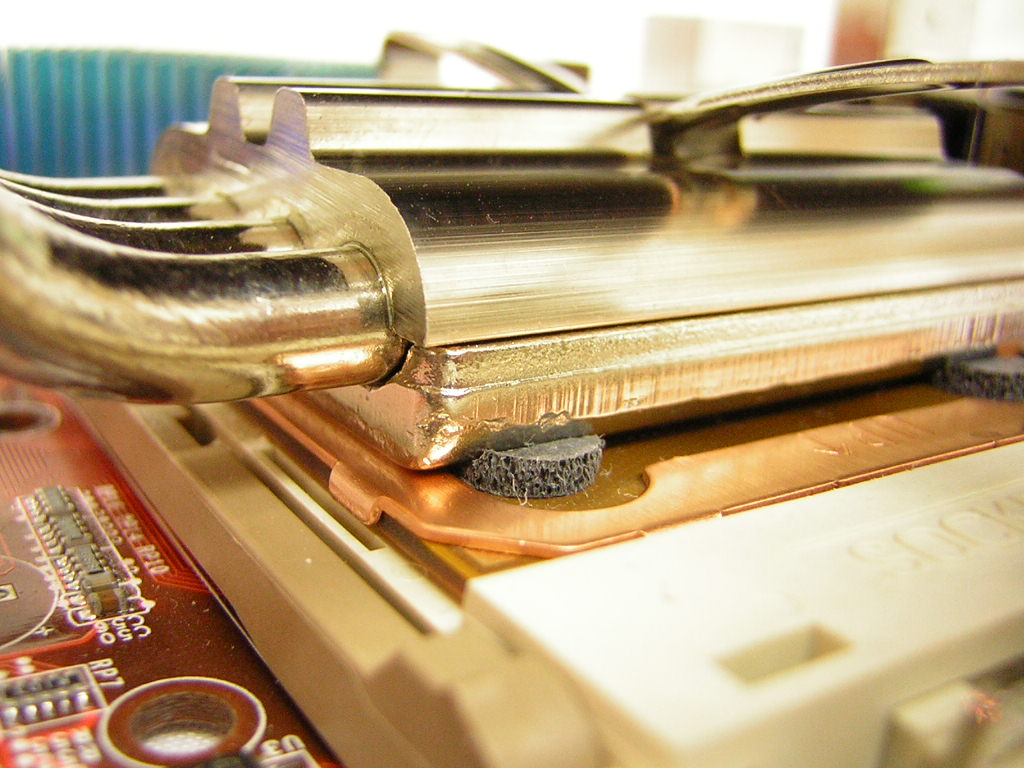
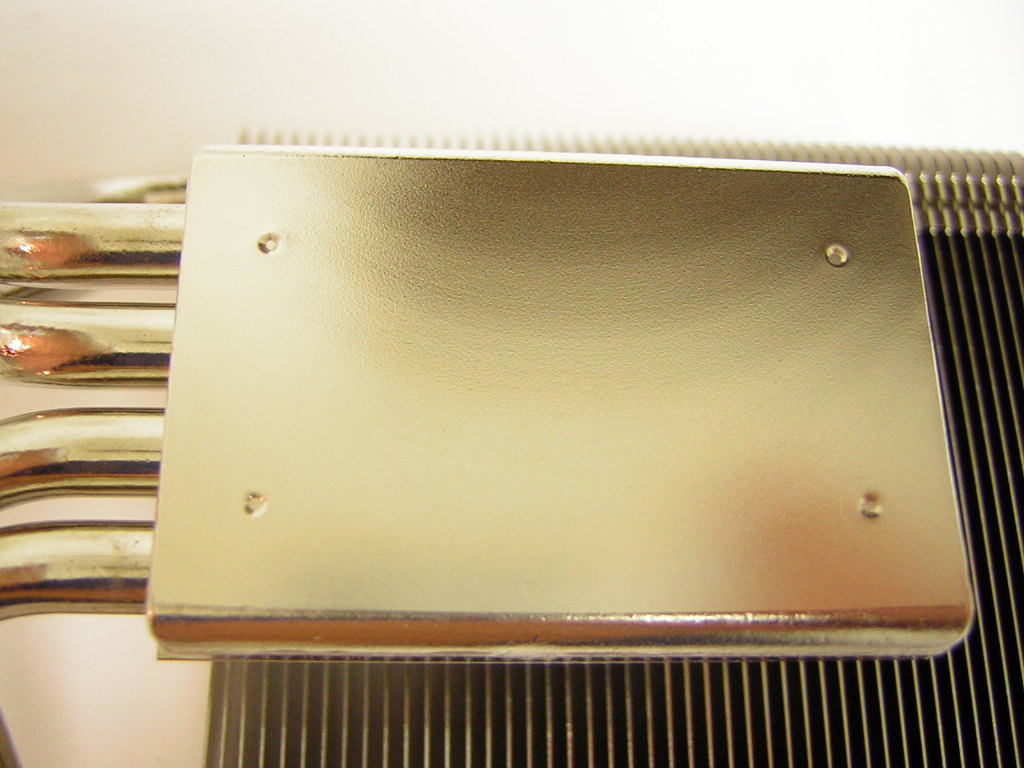
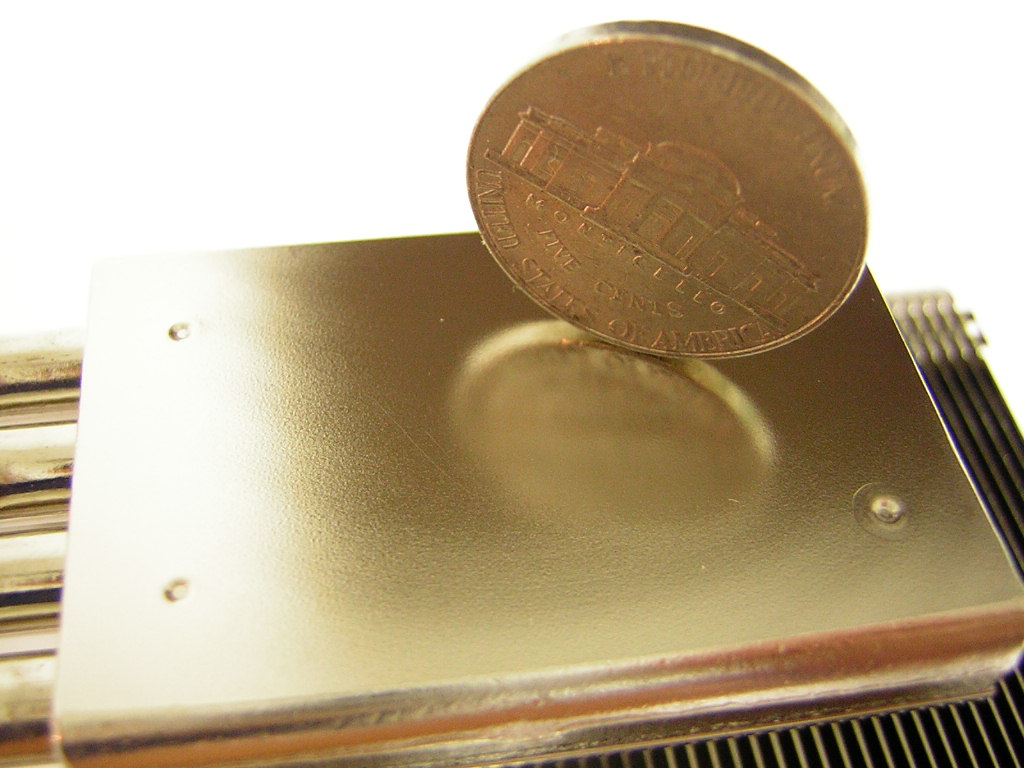
The base of the heatsink is copper and is nickel plated to give a nice all silver look. Contrary to what many people believe, the base does not have to be reflective to have good contact with the CPU.
Specifications and Installation
Specifications:
Dimension: L116 x W96 x H75 (mm) heatsink only, without fan
Weight: 280g (heatsink only)
The SI-97 is extremely light weight when compared to its 585g SP-97 cousin. A concern with Socket A heatsinks is the weight, especially heatsinks that use clips for installation. With the light weight, the SI-97 is not likely to fall off during case movement. The weight definitely won’t cause the socket to rip off, sending your heatsink crashing through the system.
Installation:
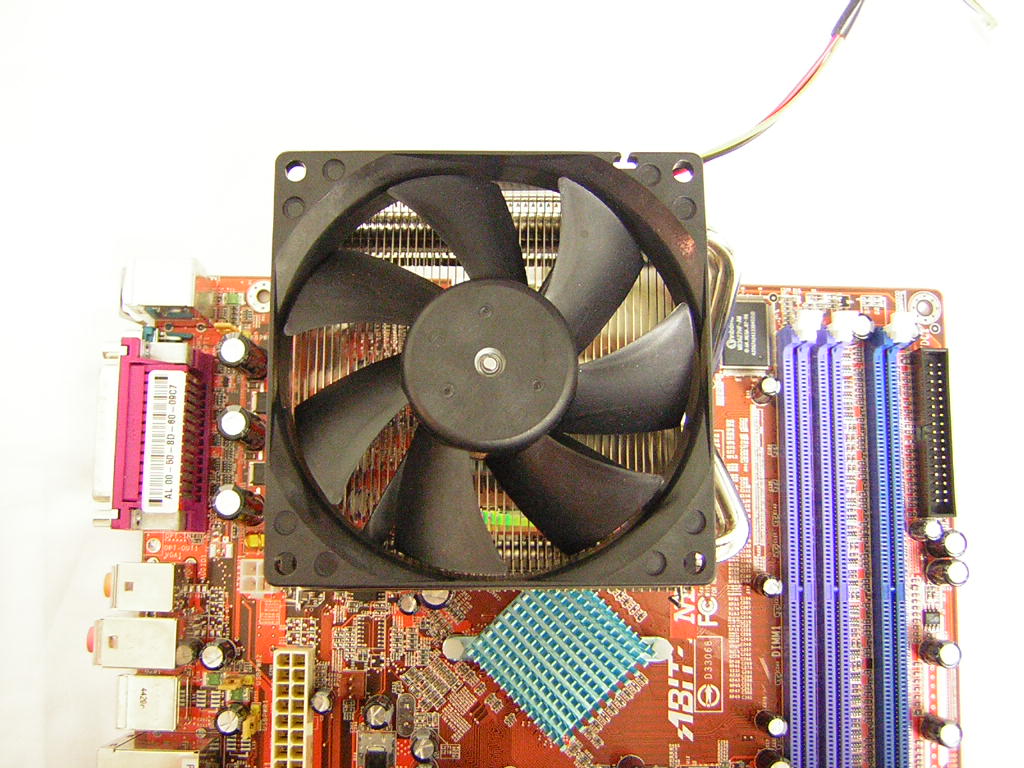
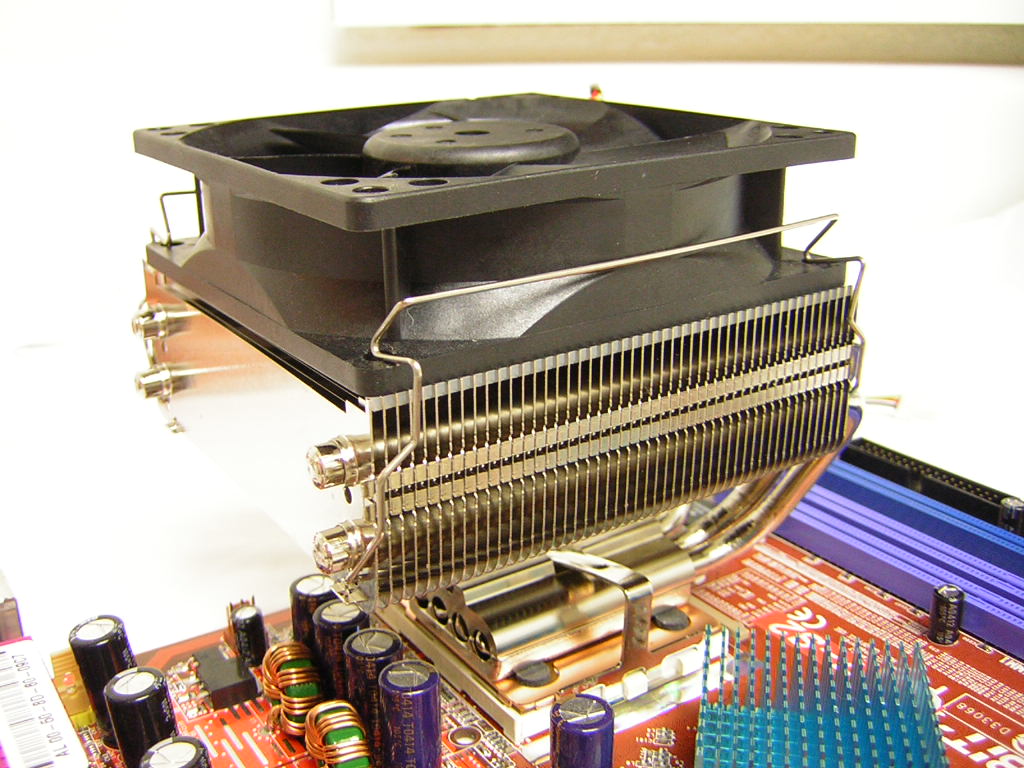
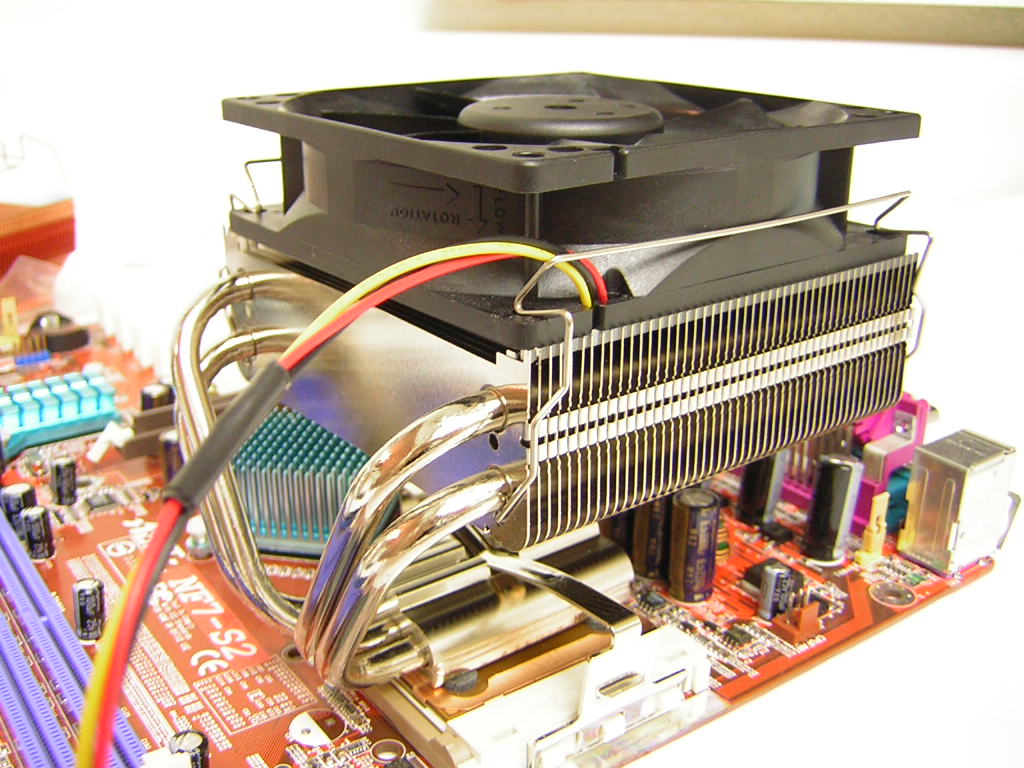
Even though it takes little time, I normally dislike the use of clips as form of installation. Clips are often the cause of chipped CPU cores when pressure is not applied evenly and carefully. But because of the provided shim, the SI-97 installed fairly easily. The separate clip allows for enthusiasts to position the heatsink however they like or to help the heatsink clear capacitors. For example, the way I installed the SI-97 was the only way allowed on my motherboard. Turning it 180° would cause the heatpipes to interfere with the motherboard capacitors. The clip is not attached to the base, allowing the heatsink to slip around during the installation process. It was not a big problem, but something definitely worth mentioning.
Test Setup and Results
Test Setup and Method:
Like the rest of the Thermalright heatsinks, the SI-97 does not come with a fan. Thermalright does recommend the use of a Panaflo 92mm Medium Speed fan, as it produces a good amount of CFM at a reasonable noise level. The fan that will be used for review will be the Panaflo 92mm Ultra High Speed fan, graciously provided by Sidewinder. For comparison, the SI-97 will be going head to head with the previous king, the SP-97.
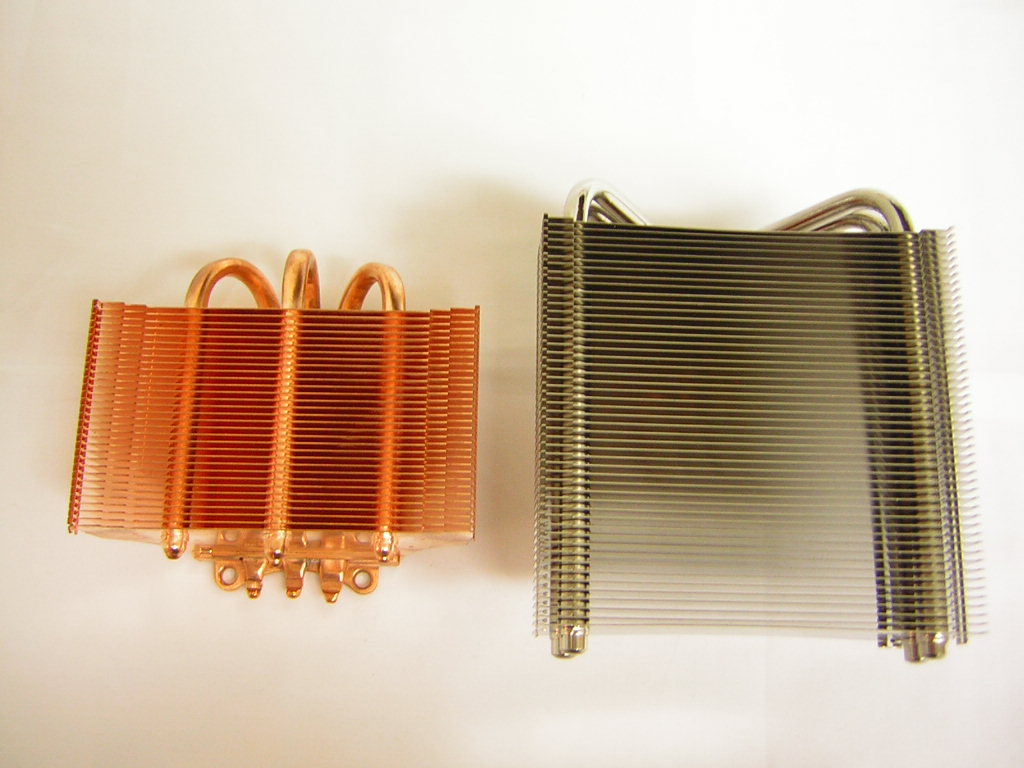
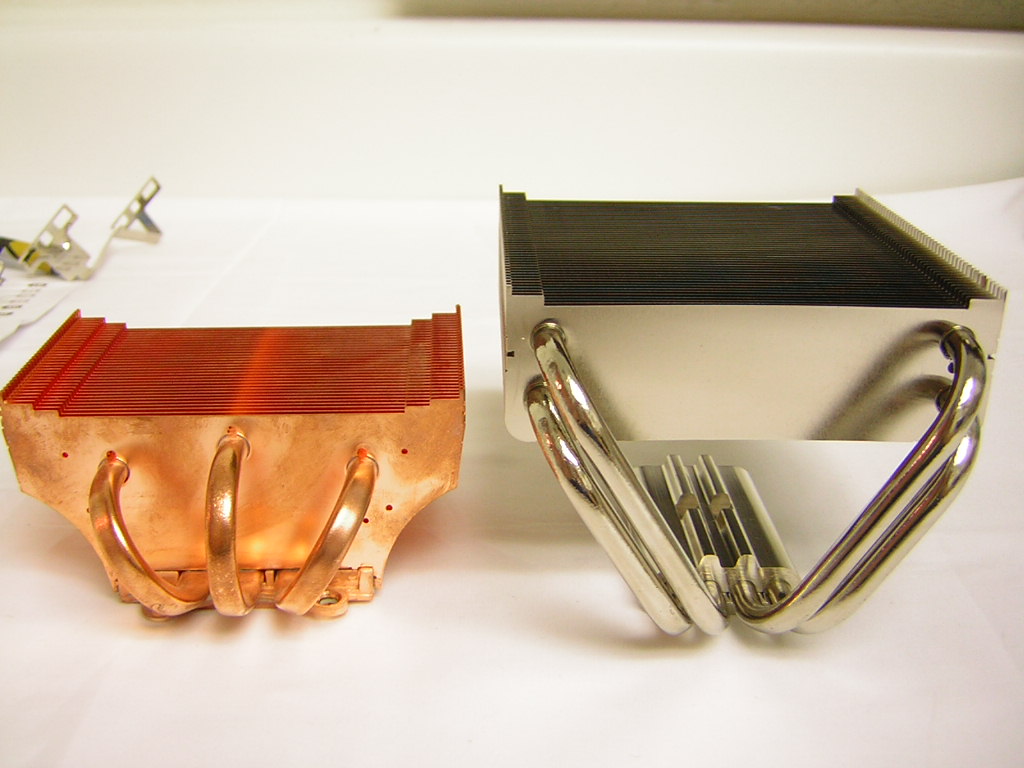
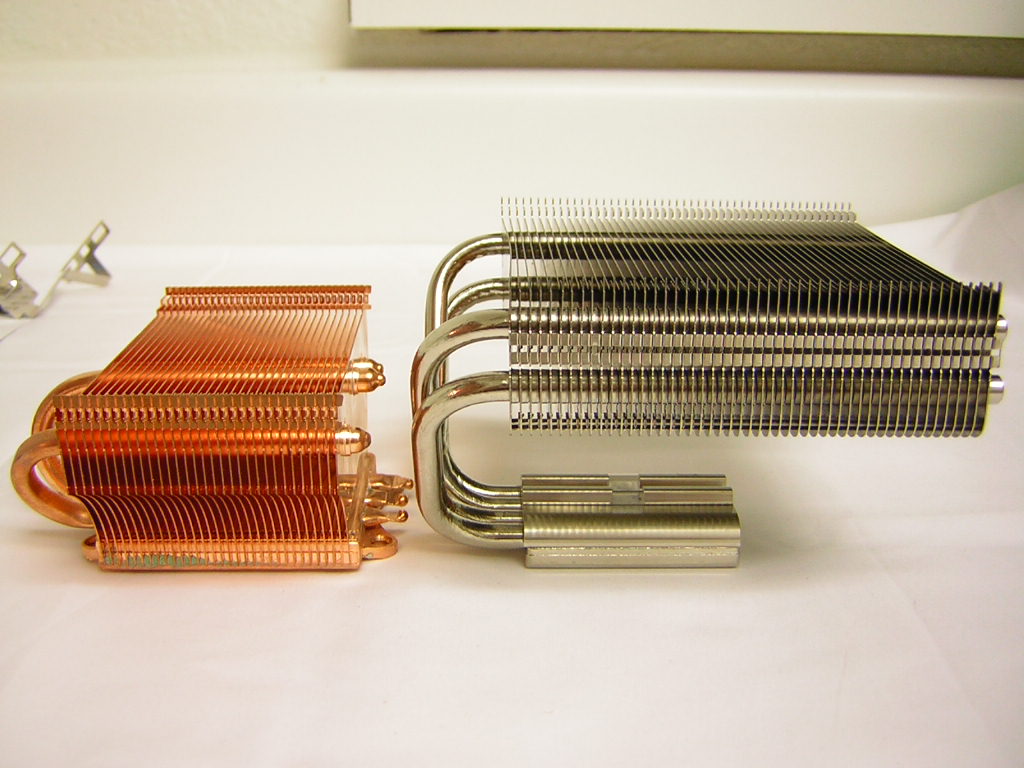
Ambient temperature was a consistent 22°C. Arctic Silver Ceramique thermal paste was used during the entire testing process. A temperature probe was placed next to the CPU core to measure CPU temperature. A single instance of CPU Burn-in was used to create maximum load on the CPU. In other words, it makes the CPU work at 100%. The purpose of this test is to see the results a home end user would obtain. There is no scientific testing conducted, simply because I do not have the proper equipment.
Test System Specifications:
- AMD XP1800+ JIUHB (12 x 200FSB = 2.4GHZ @ 2.0v)
- Abit NF7 v2.0
- Kingston HyperX PC3200UL
- Gigabyte Radeon X800 Pro
- OCZ 420W PowerStream
Fan Specifications:
- Panaflo 92mm Ultra High Speed
- 92 x 92 x 25 (mm)
- 68.8 CFM
- 3450 RPM
- 43.0 dBA
Test Procedures:
- Idling at desktop for 30 minutes
- Full load with CPU Burn-in for 60 minutes
Results:
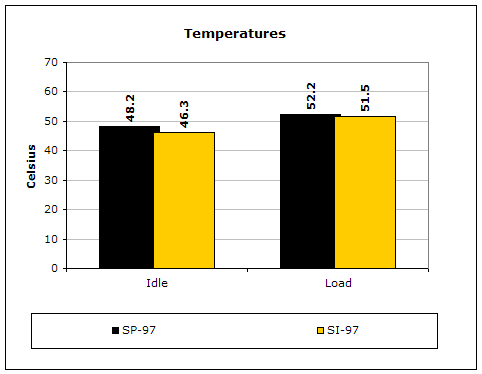
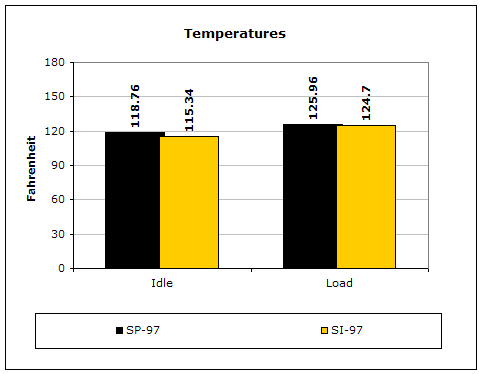
The results show the two heatsinks performing on par with each other. The SP-97 can definitely hold its own when compared to the newer brother. One question is why the performance gap any larger? The XP-90 was definitely better than the SP-94, so why not in this case? The reason lies with the lack of fins at the base. The overclocked thoroughbred XP1800+ is pumping out too much heat for the heatpipes to handle. It can still do the job, but is creeping away from being significantly more effective.
Conclusion and Thoughts
The SI-97 is an excellent heatsink and makes good use of 92mm fans to provide good cooling at low noise levels. The all aluminum construction allows the heatsink to be light weight and quite frankly, very favorable when building portable LAN systems. Of course, the heatsink does have its drawbacks. The separate clip is a bit of a hassle during installation, but it’s not a big deal. The main concern is the lack of fins at the base. The heatsink relies too heavily on the 4 heatpipes. If the thermal load becomes too large, the heatpipes won’t be able to handle the heat transfer well. This doesn’t mean that the heatsink is bad. It’s still a good heatsink. It did beat out the SP-97, even if it’s just a half a degree better. Overclockers with low wattage Athlon XP Mobiles can make good use of this heatsink to achieve some excellent overclocks. Normally I wouldn’t give an award based on the performance of the heatsink, but because of the price and light weight, it deserves the Recommended Award. The price of the SI-97 is lower than what most of the competitors offer and makes this heatsink a definite choice.
Pros:
- Good performance
- Extremely light weight
- Excellent price/performance ratio
- Uses large 92mm fans to reduce noise without losing CFM
- 4 heatpipes
- Large aluminum fins
- Nickel plated copper base
- Safe for portable systems
Cons:
- Installation a bit finicky due to loose clip
- Performance relies heavily on the 4 heatpipes
- No fins at the base for direct heat dissipation

We would like to thank Thermalright for providing us the sample. If you have any questions or comments, feel free to hit us up in the forums. You can also check out more of our latest reviews on the front page.