

Thermalright NB-1C
Introduction
The first thing people think about when upgrading cooling inside of their case is usually the CPU heatsink. The CPU does give off a lot of heat and needs to be cooled, but so do other components. The chipset is an important motherboard component that also gives off a considerable amount of heat. Most motherboard manufacturers get away with passive heatsinks, and this can work adequately for normal operations. Enthusiasts who are looking for maximum FSB will most likely upgrade the cooling on their motherboard’s chipset because it is the memory controller. This holds true for all modern CPUs except for the Athlon 64 which incorporates the memory controller into the CPU itself. Sometimes, but not always, better Northbridge cooling can lead to higher FSB gains when overclocking. If for nothing else, it can rule out the possibility of the chipset being damaged from excessive heat.
Thermalright is well known for their excellent SLK line of copper CPU heatsinks. Recently, Thermalright introduced their first Northbridge heatsink, the NB-1. It is made of aluminum and comes with a very low price tag. Since then, enthusiasts have asked for a “mini-SLK” to match their SLK series CPU heatsinks. Thermalright has answered with one of their latest products, the NB-1C, an all copper version of the NB-1.
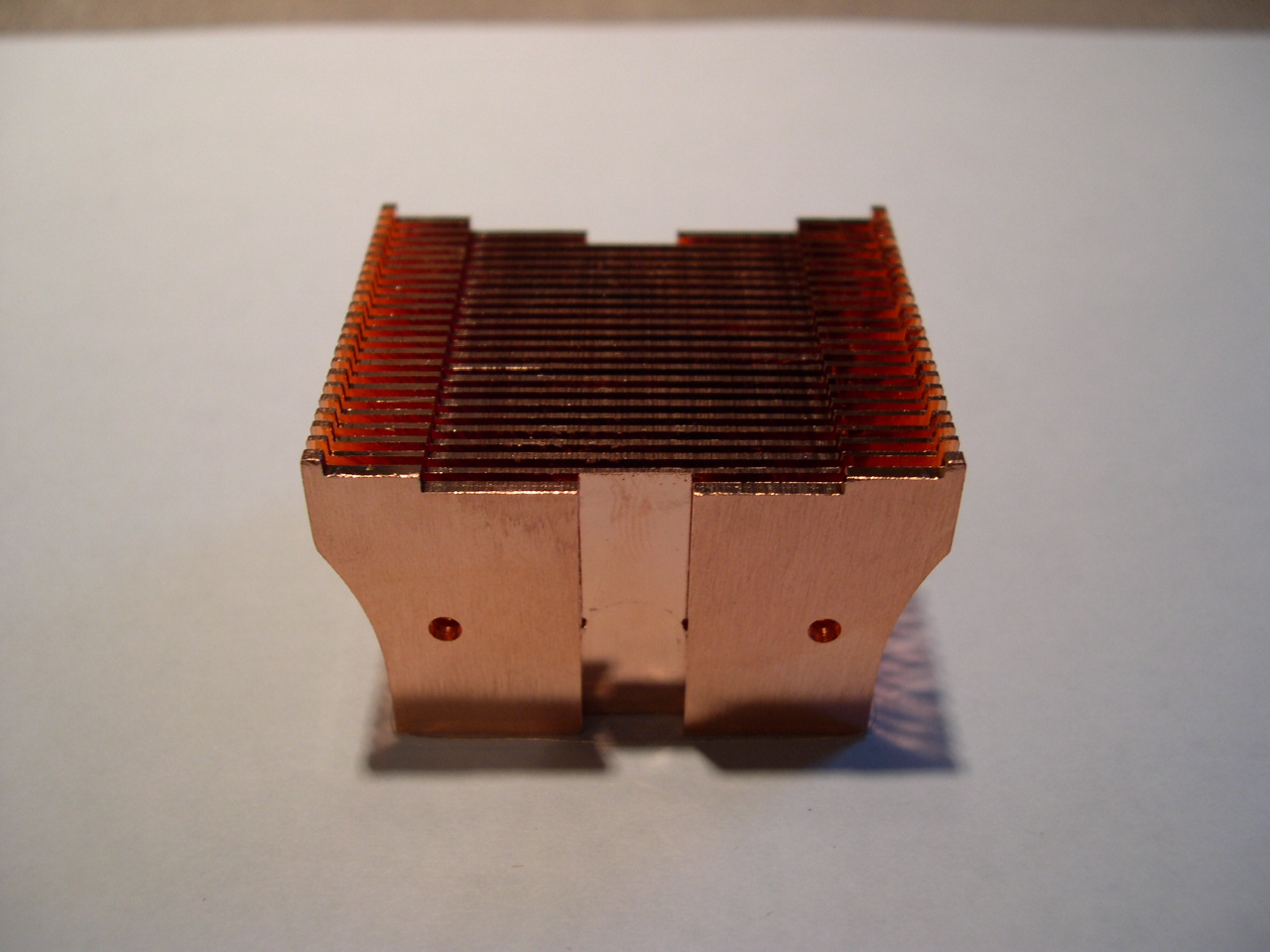
Thermalright NB-1C
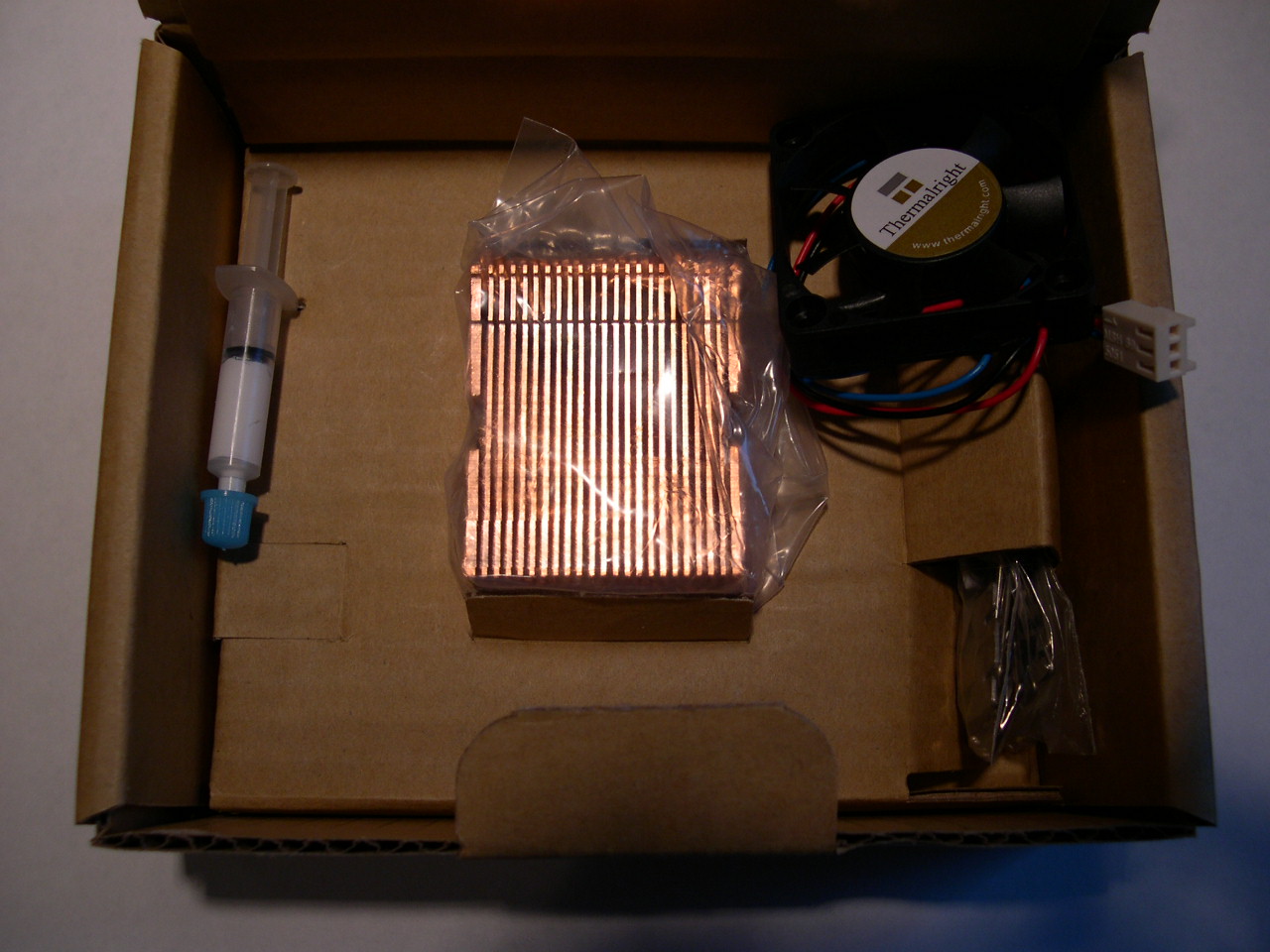
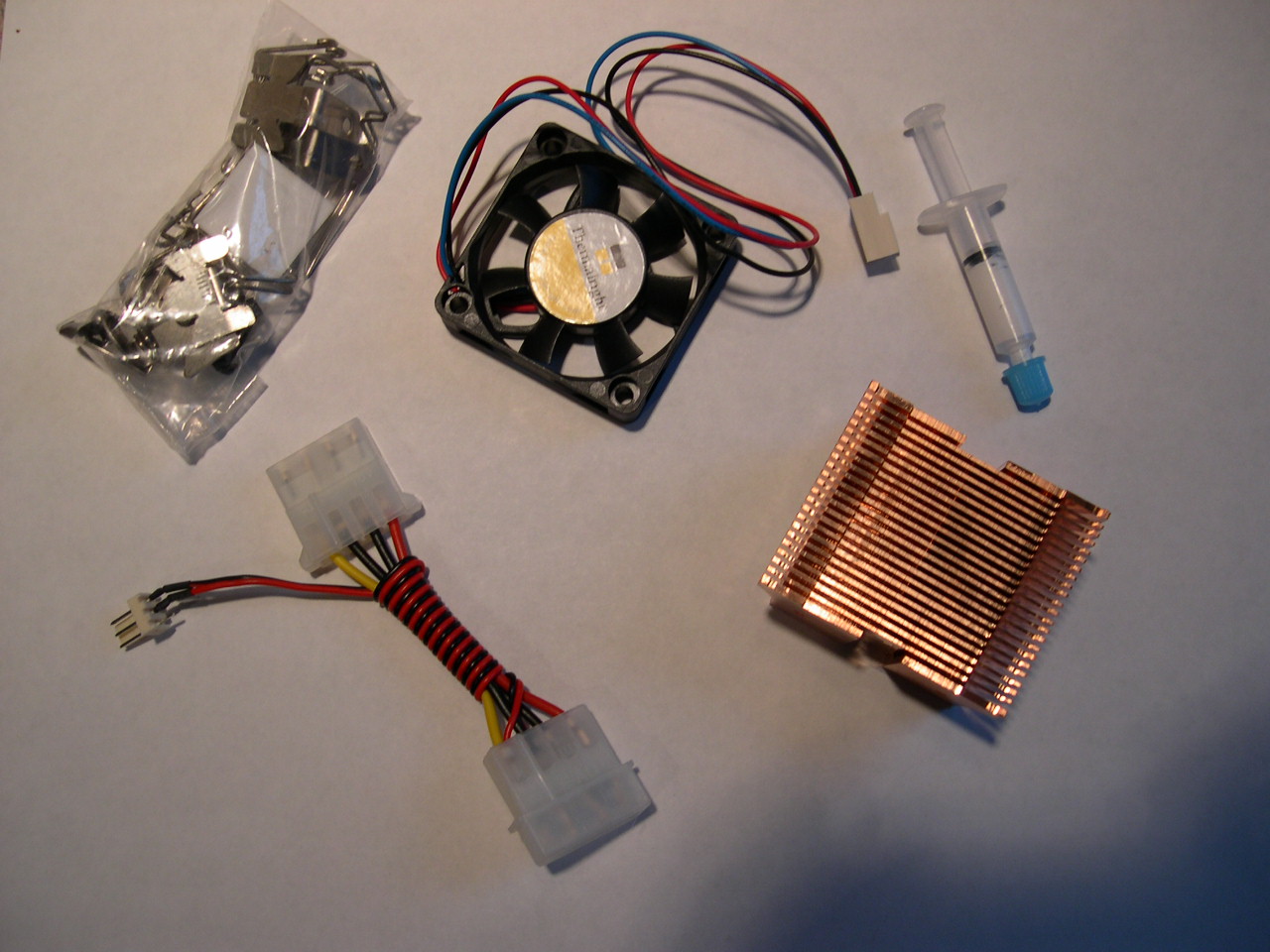
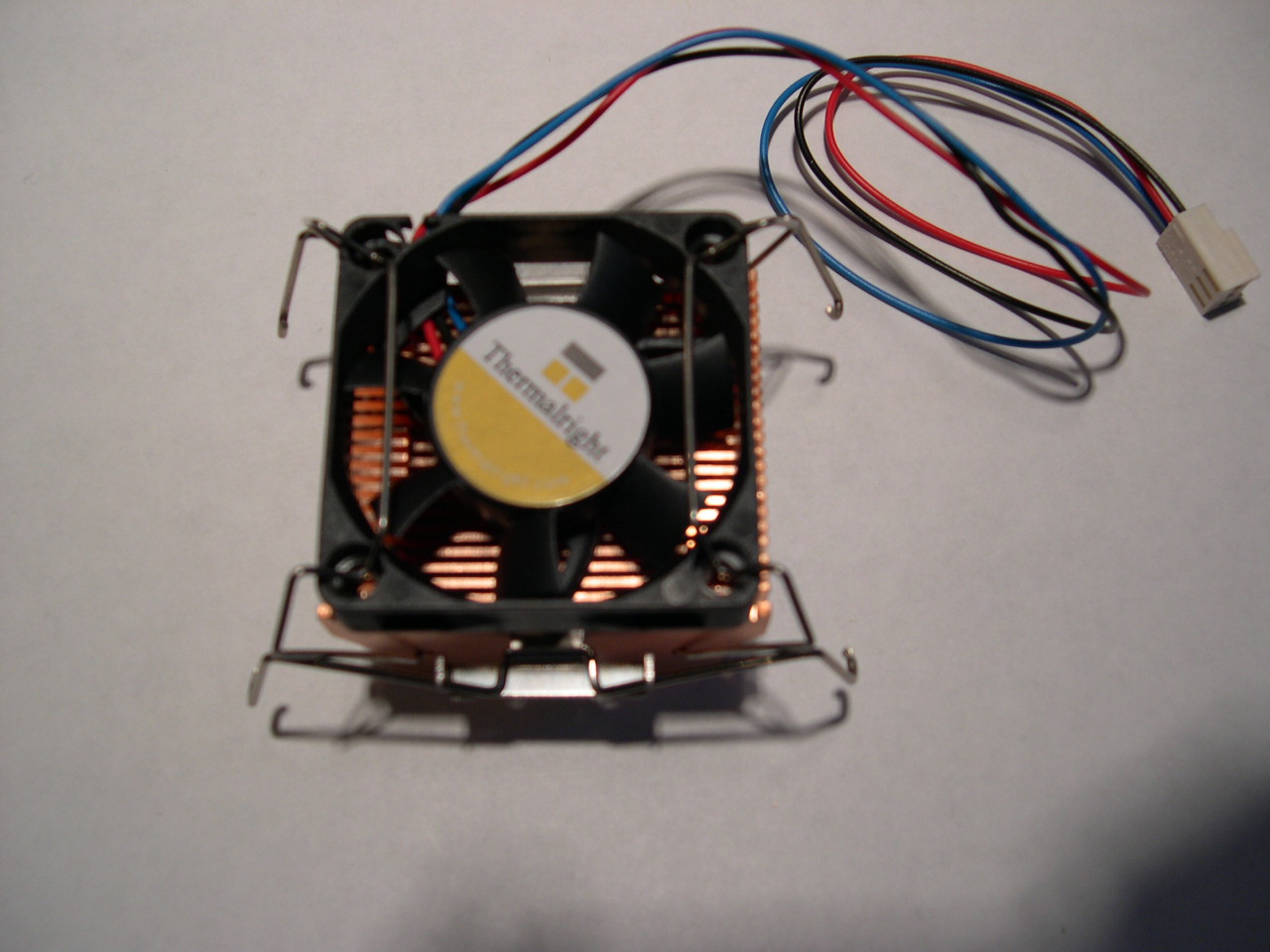
The heatsink itself feels very well constructed. It is very heavy for it’s size because of the copper construction. Thermalright includes a small syringe of thermal paste, mounting hardware, a 3 to 4-pin molex adapter, a Delta fan, and the NB-1C. Unfortunately, no installation manual was provided. Even a small diagram would have sufficed. Thermalright does have well-documented instructions available on their website here for Intel and here for AMD.
Specifications:
Dimension: L29 x W48.5 x H41 (mm) Fin only, without fan
W41.5 x H40 (mm) heat sink base
Weight: 250g (heat sink only)
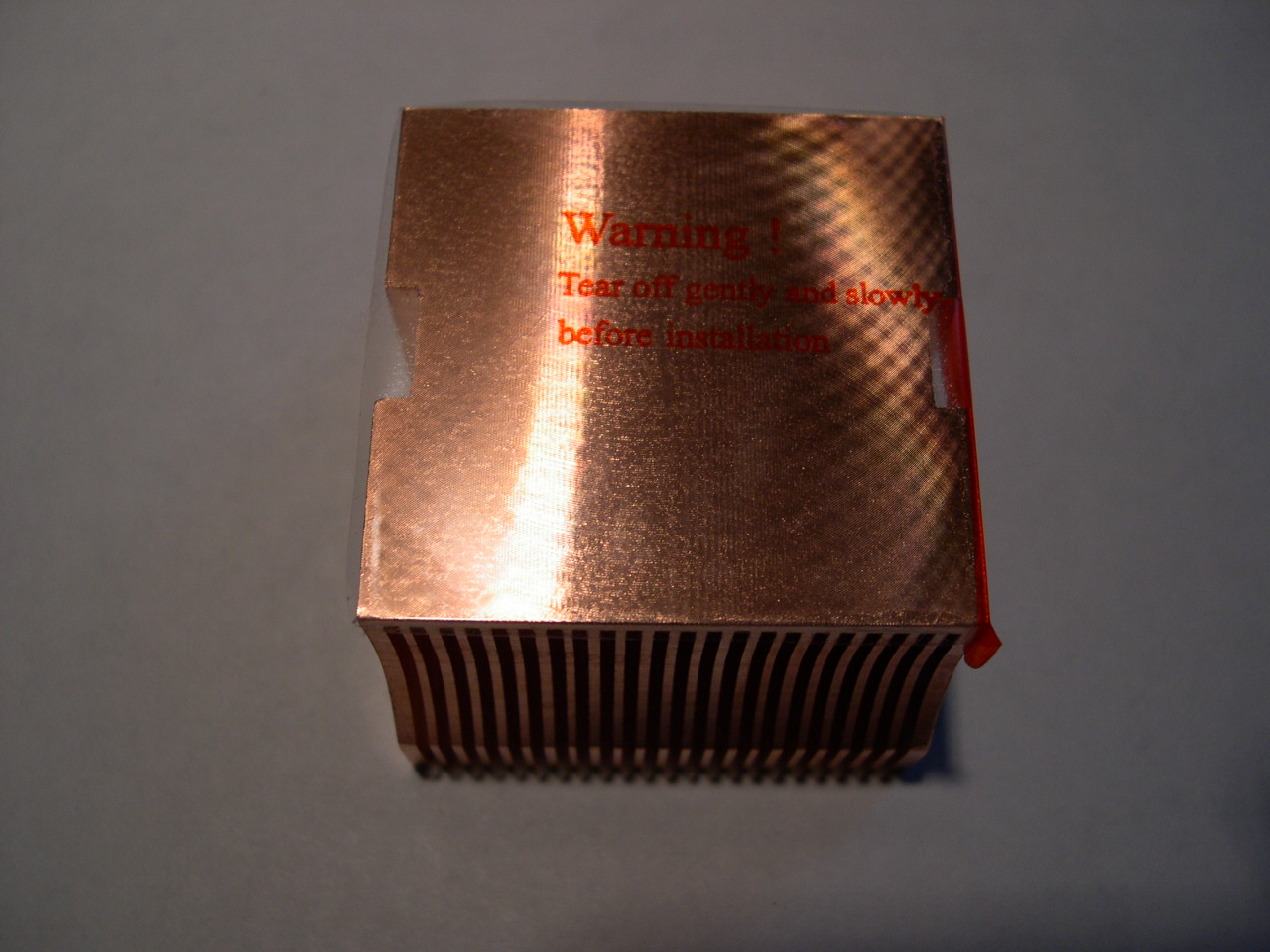
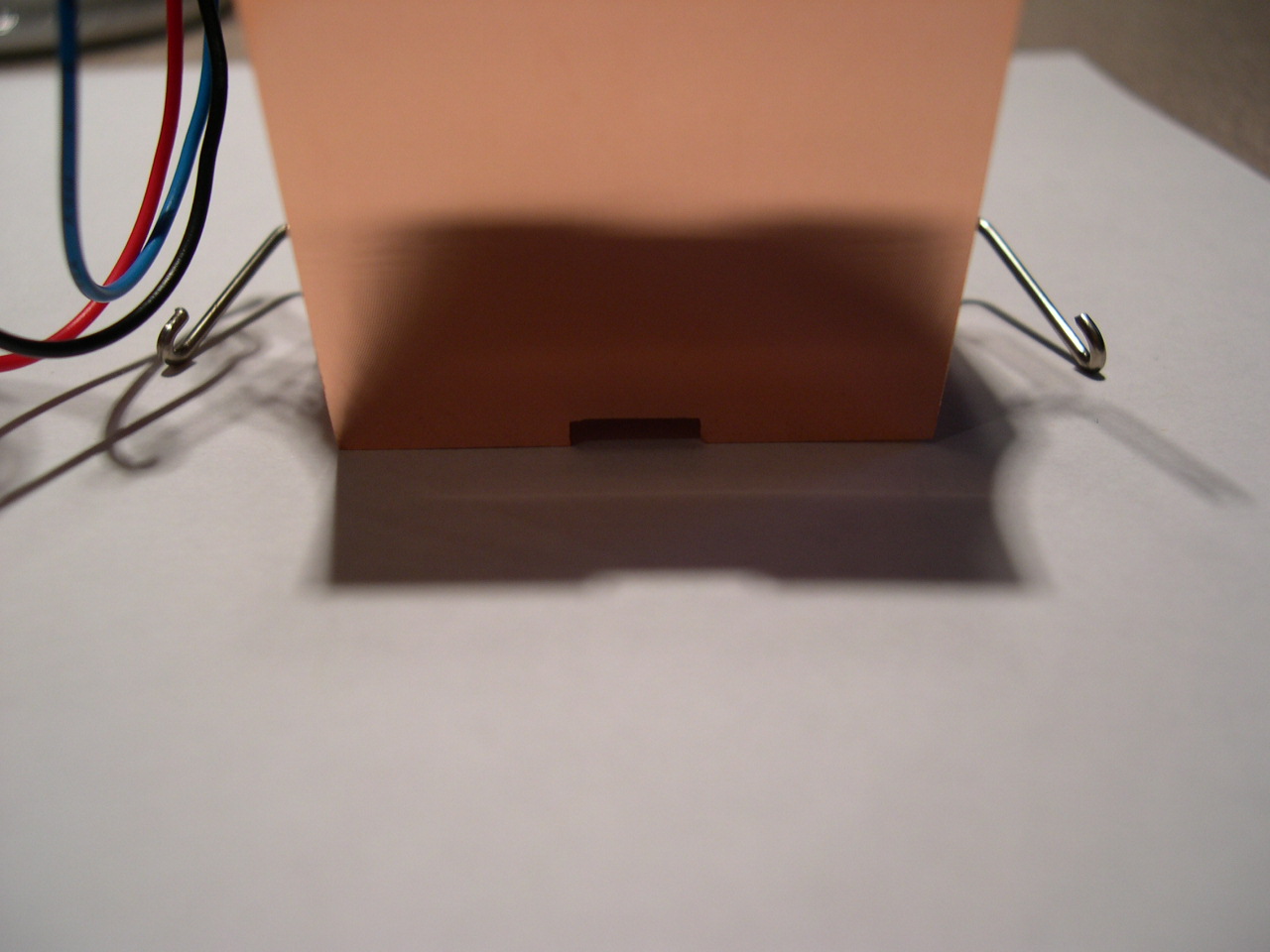
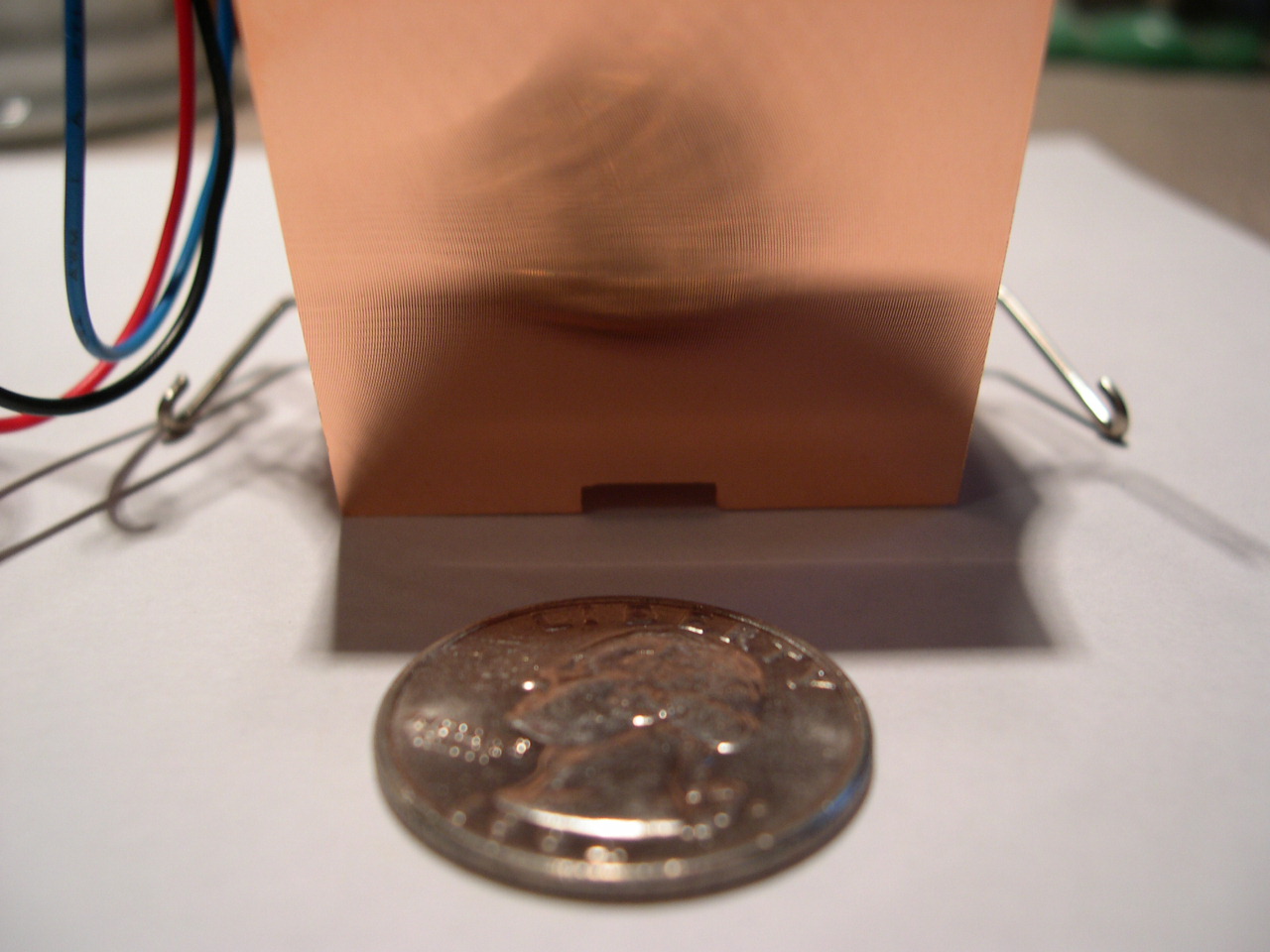
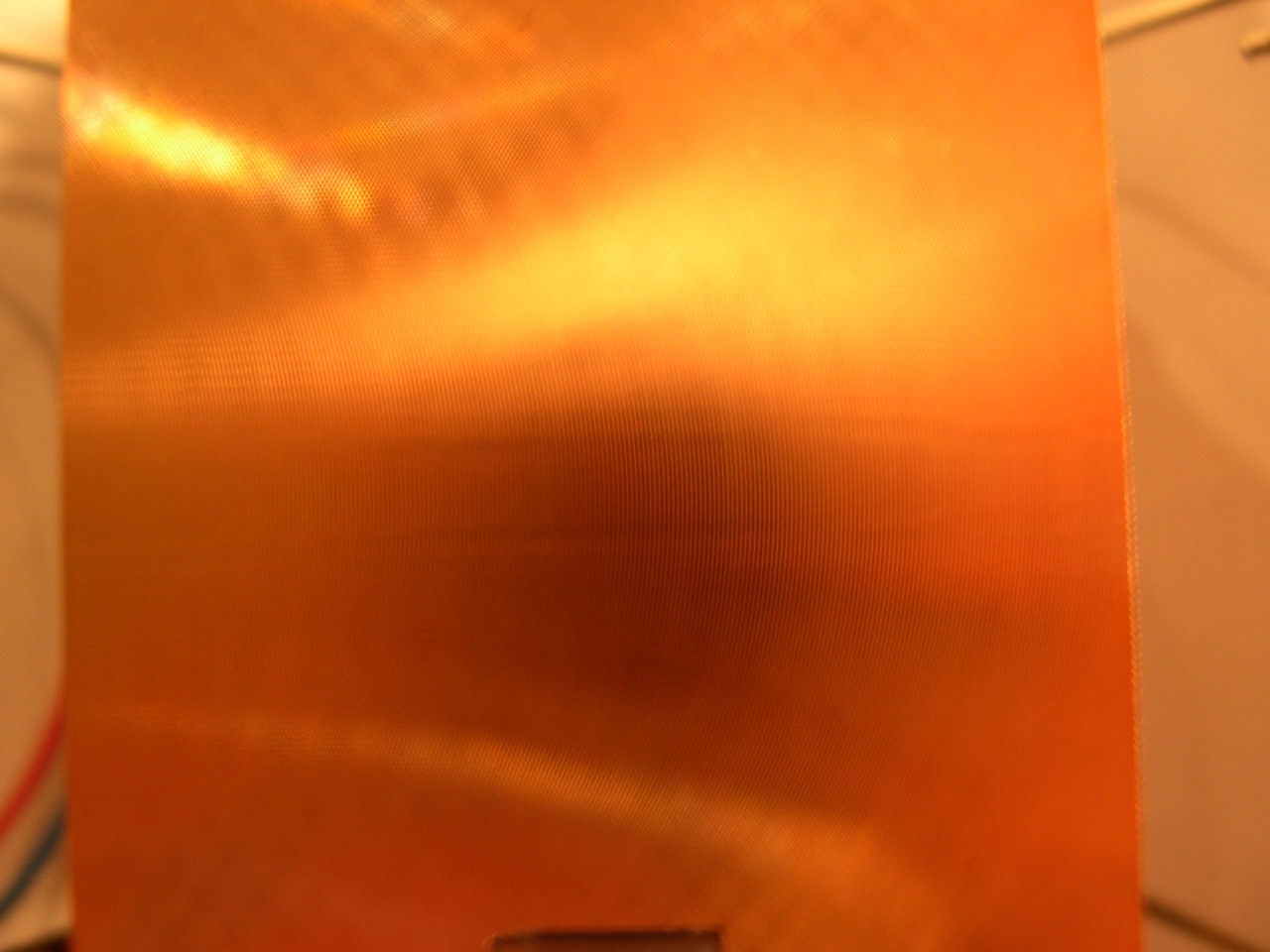
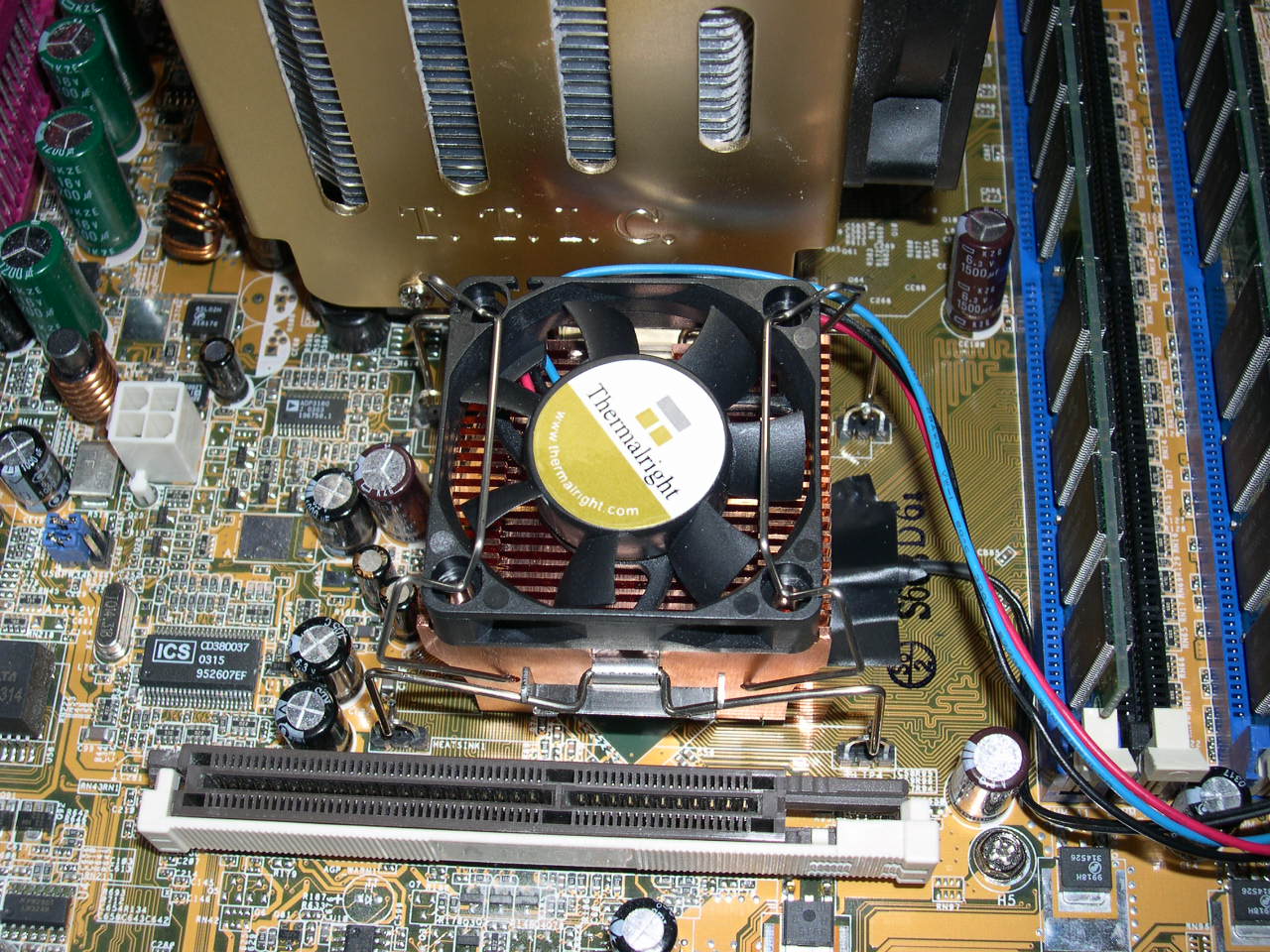
The base of the NB-1C is extremely flat. It has a uniform groove, as you can see in the pictures. It is not rough and doesn’t hamper performance. This base isn’t as shiny as some other heatsinks I’ve seen, but that’s merely aesthetic and won’t be visible when installed. Something that I like to see on heatsinks; a little plastic sticker over the base to protect it from accidental scratches and grease from handling. Thermalright has shaped the top of the base like a pyramid to prevent back pressure to the fan. An interesting aerodynamic design and I like how Thermalright put a little thought into this product.
Here are some quick diagrams of how it’s installed on AMD and Intel motherboards:
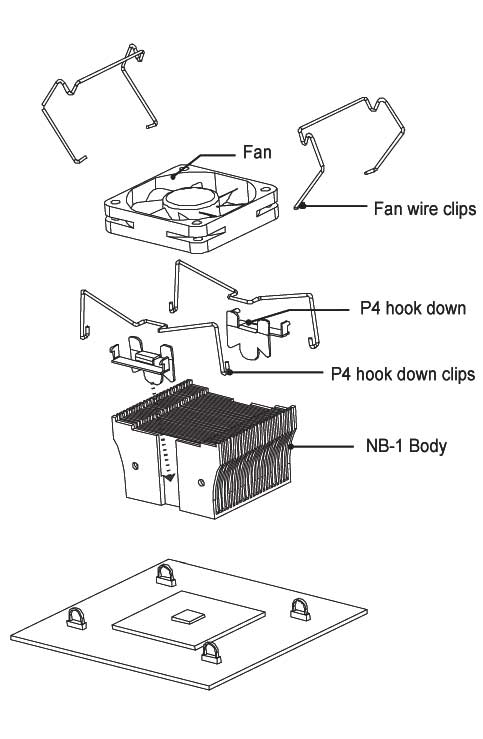
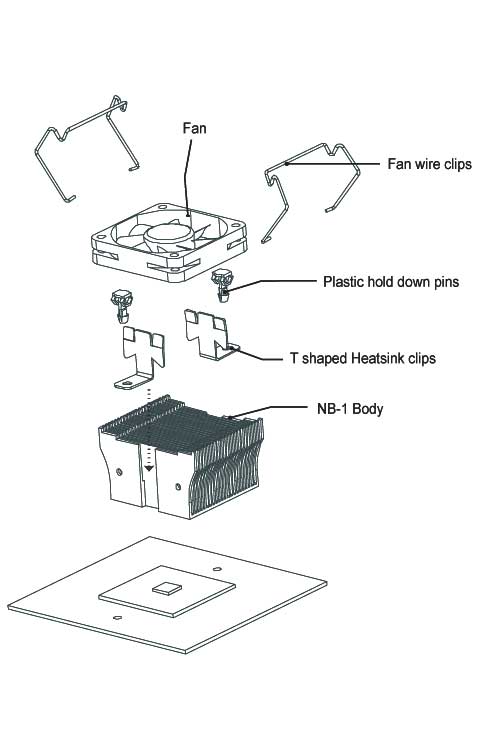
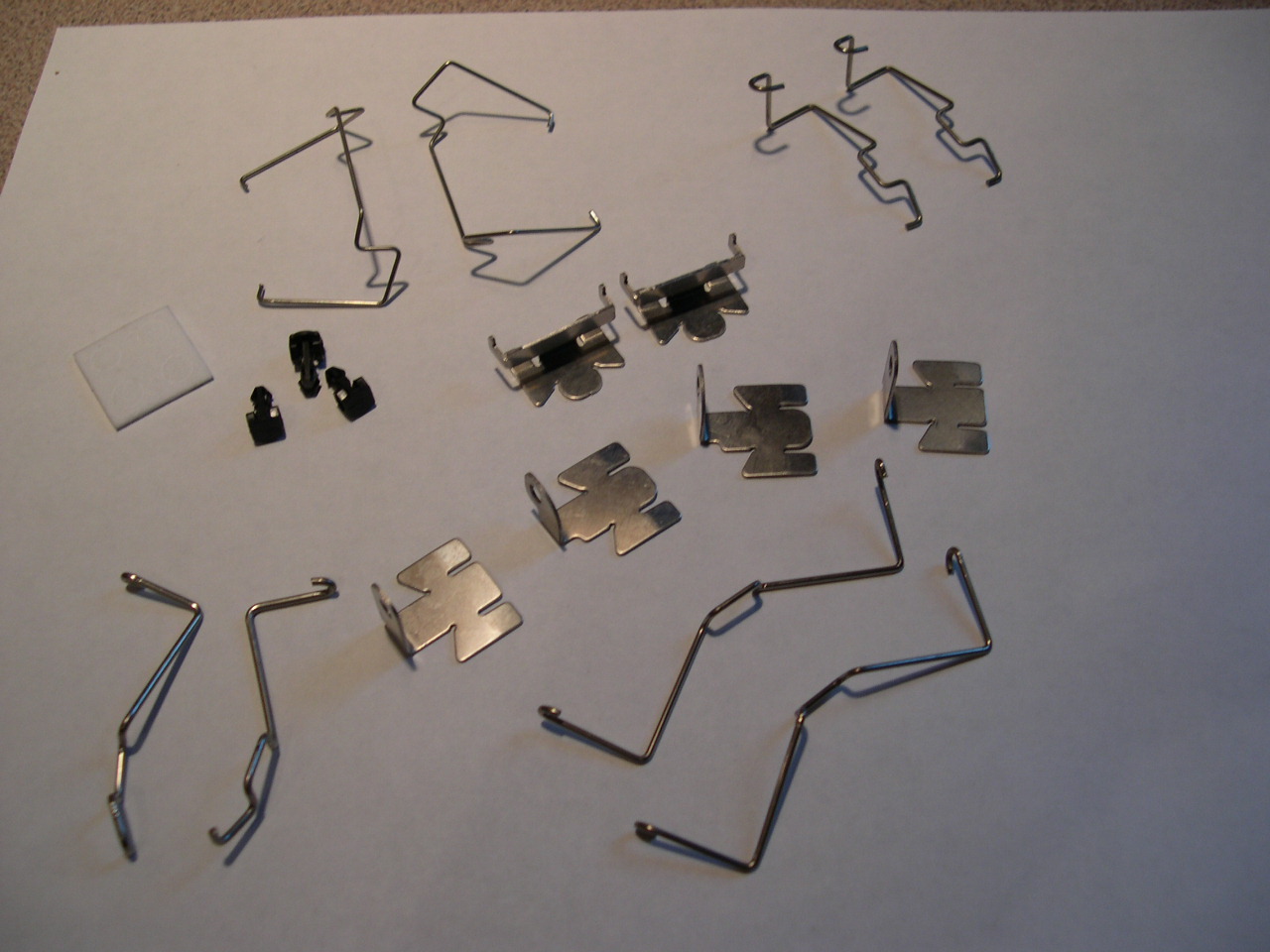
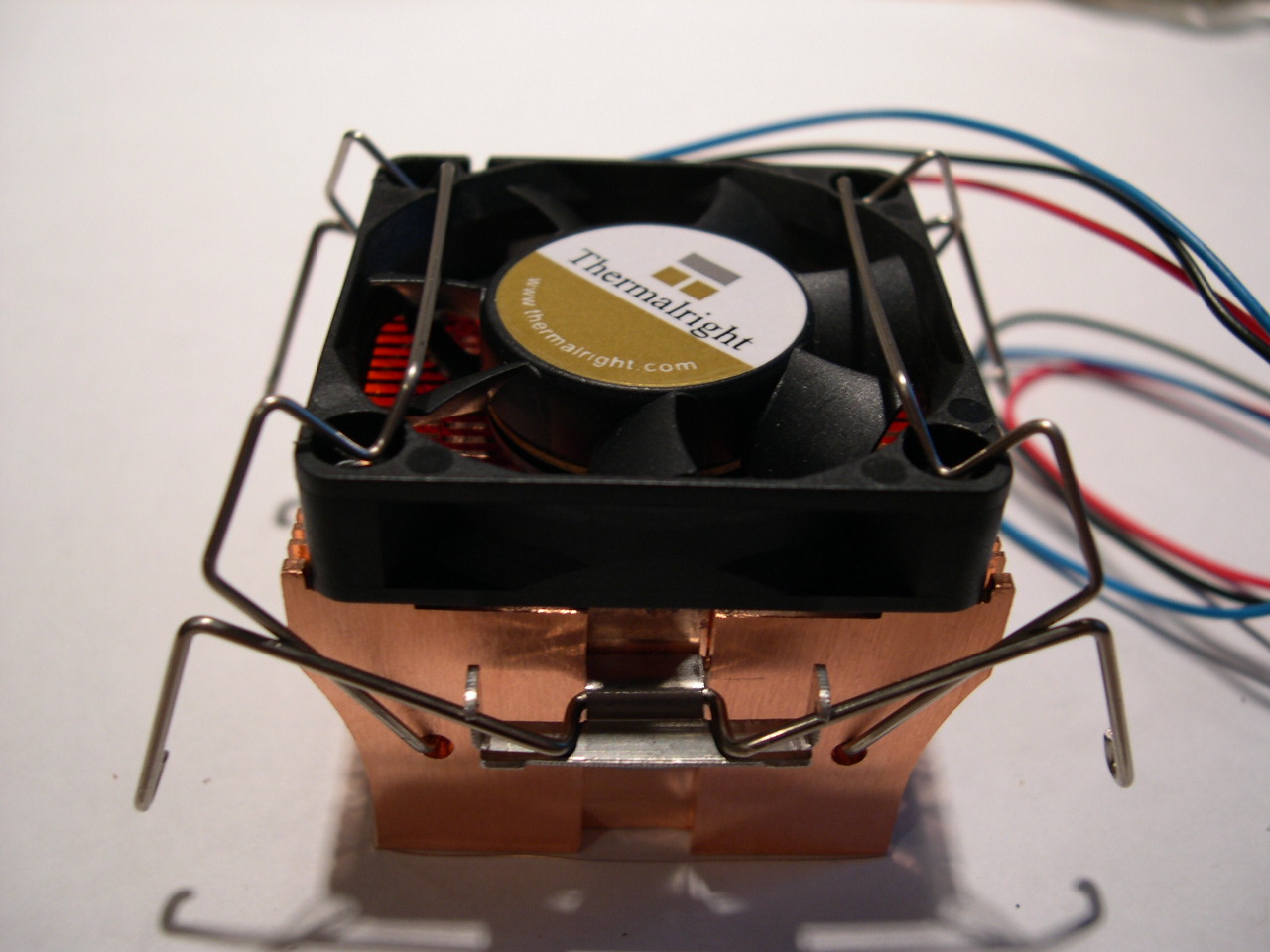
The NB-1C is compatible with AMD, NF2, VIA KT333 & prior (VIA KT400 & after are not supported) and all Intel 8x5 chipsets. Even though most motherboards using those chipsets will be compatible, some may have a capacitor, or something else, around the Northbridge that would prevent the heatsink from being installed. To make sure it will definitely work on your motherboard you can refer to this motherboard compatibility list on Thermalright’s website.
Fan Specifications:
Maker: DELTA
Model: AFB04512HA
Size: 45 x 45 x 10 (mm)
Bearing: Dual Ball Bearing System
Voltage: 12V
Speed: 6000 RPM
Air Flow: 11.80 CFM
Noise Level: 34dBA
Weight: 15.5g (0.55 OZ )
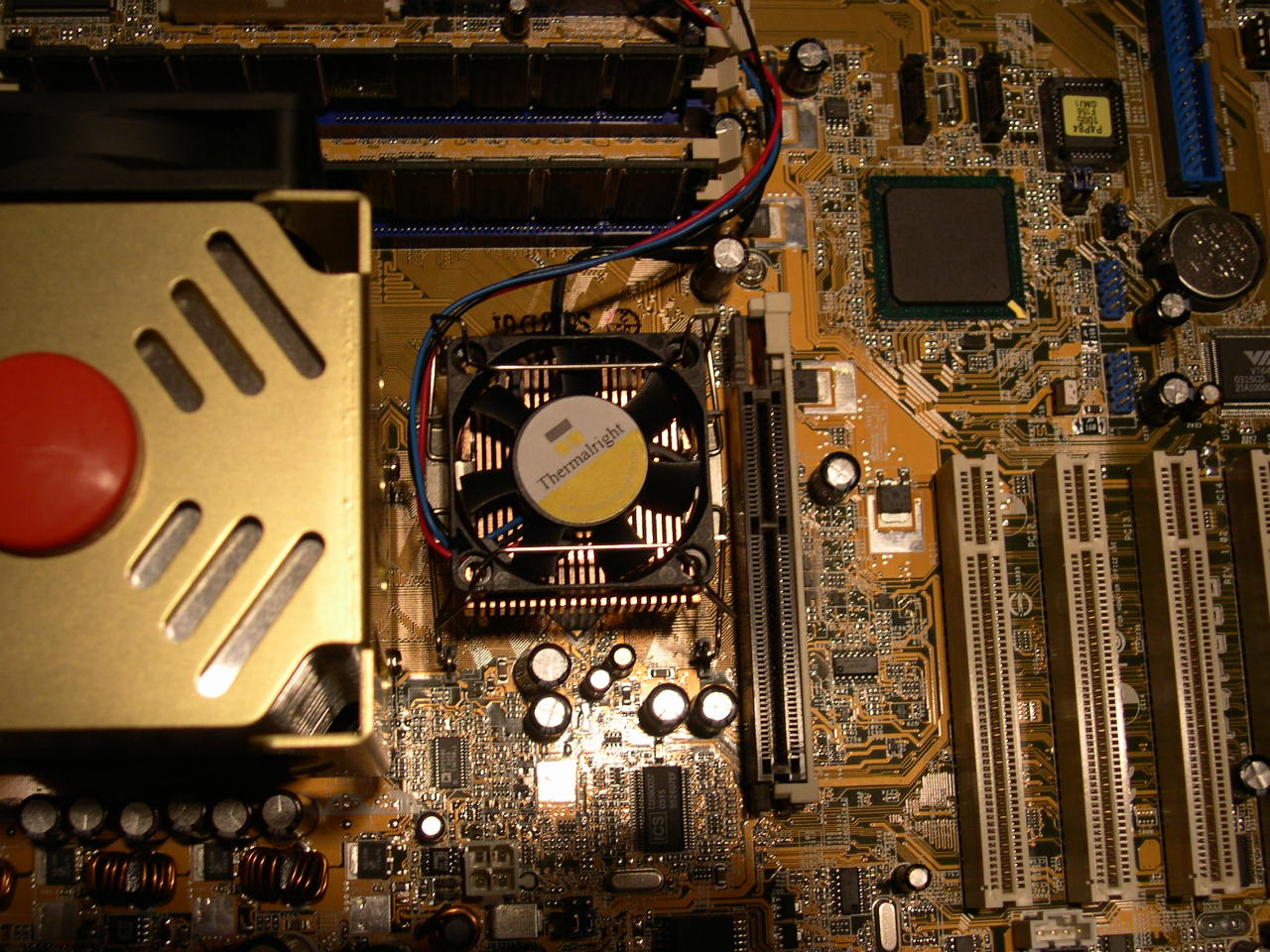
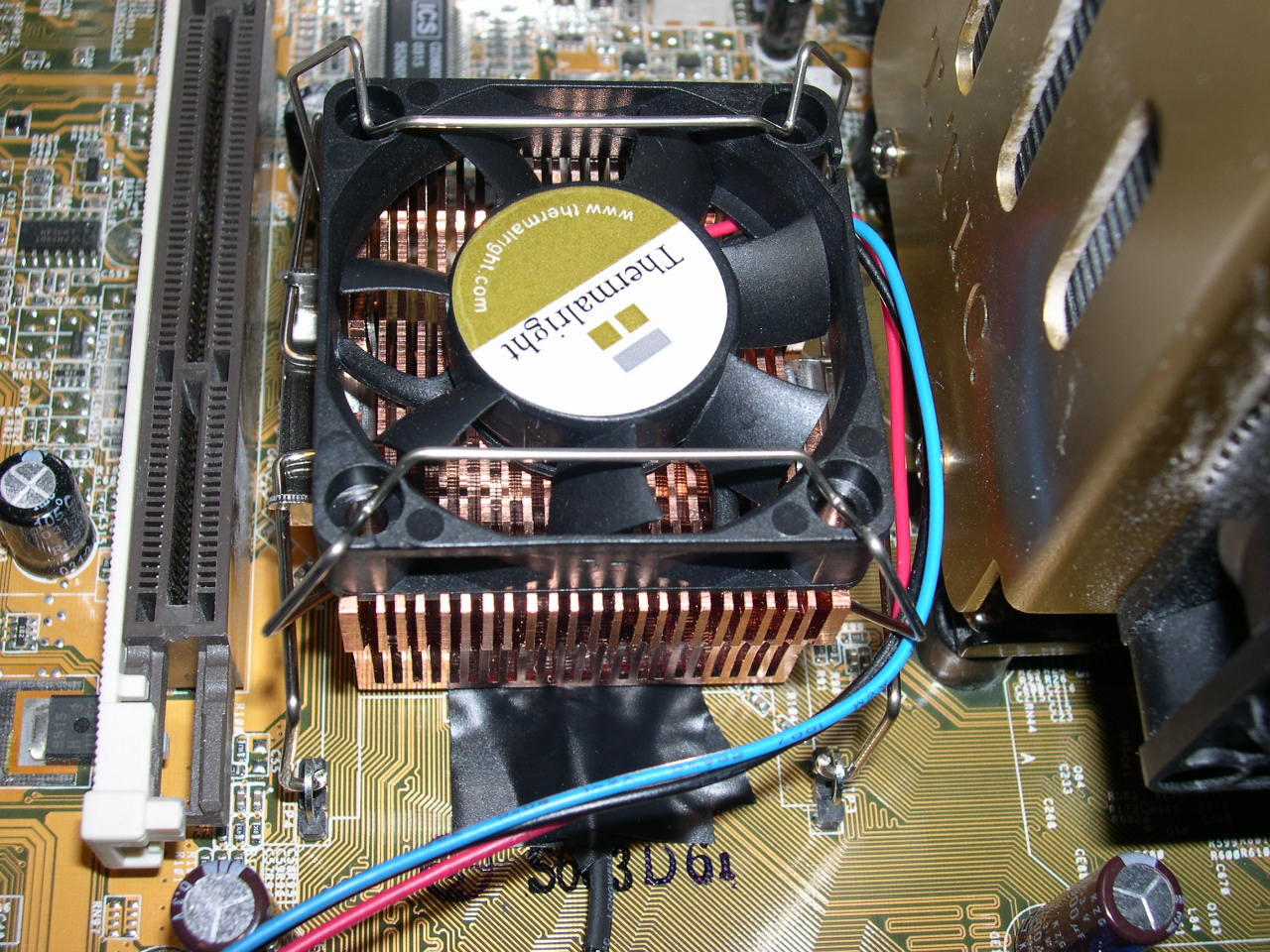
When I read that the NB-1C used a Delta fan I was immediately turned off. I used to use a 60mm 8000RPM Delta fan which had an unbearably loud, high-pitched whine. I was relieved after turning this 45mm Delta on because it doesn’t have the whine of it’s bigger brother. The fan doesn’t stand out above the other fans inside my case. It’s definitely not silent but it is not hard to live with. The Delta is Thermalright’s recommended fan; another 45mm fan can be used but I can’t comment on the performance difference. This is my first time using Thermalright’s fan clips and they work very well. With this method the installation is tool-less (depending on your case).
Test Setup and Results
Test Setup and Method:
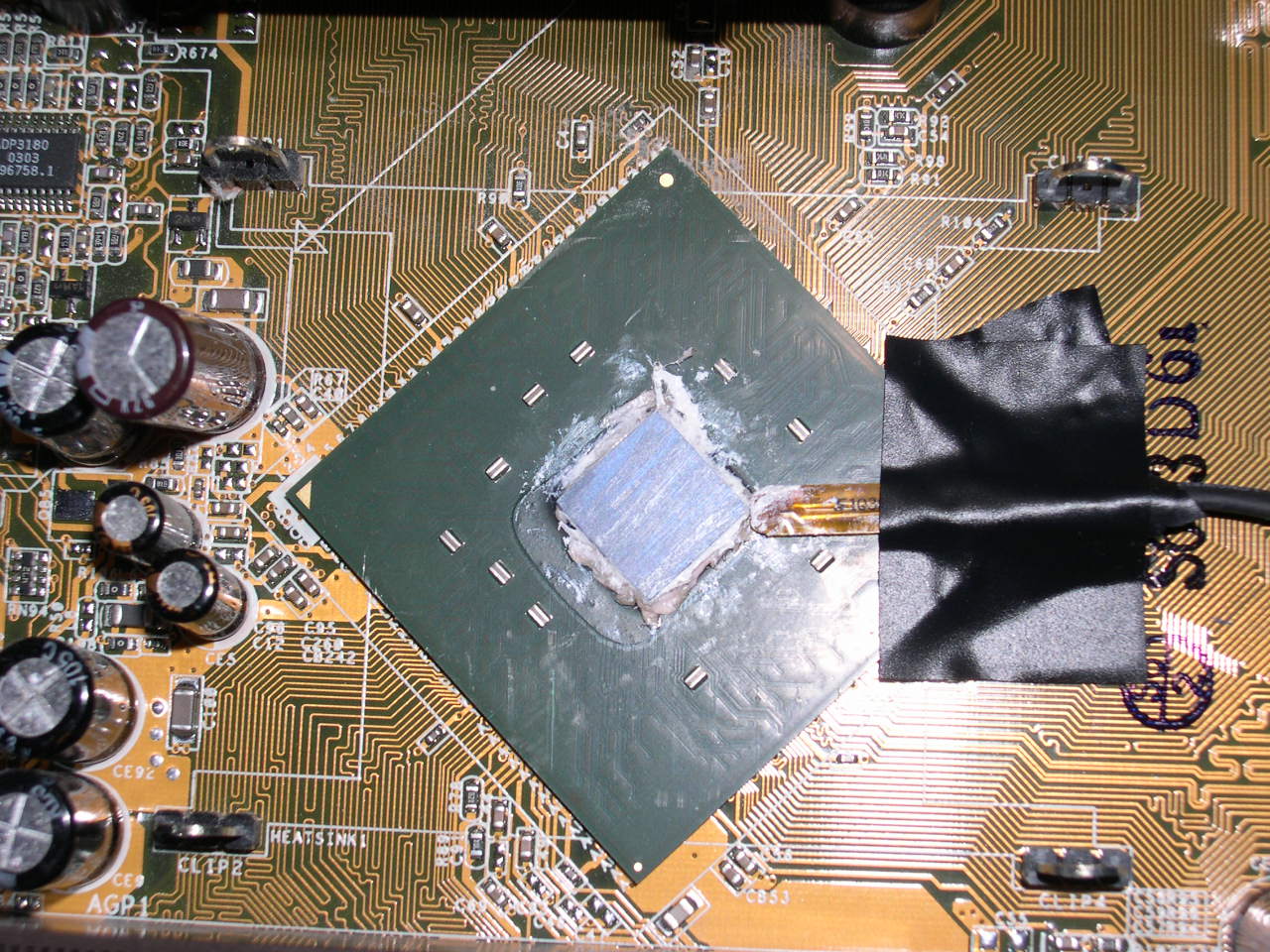
I tested the NB-1C against the stock passive Asus cooler. Ambient temperature was 24˚C (+/-.5˚C) or 75.2˚F. Arctic Silver Ceramique was used as the thermal interface material.
Test System Specifications:
- Pentium 4 2.4C @ 3.2ghz (267fsb w/ 1.5v VAGP)
- Asus P4P800 Deluxe
- 2 x 512mb Hynix PC4000 2.5-4-4-7
- ATI 9800 Pro
- TTGI 450w
Test Procedures:
- Idling at desktop for 15 minutes
- Full load with Prime95 Torture Test “Blend” for 15 minutes
Results:
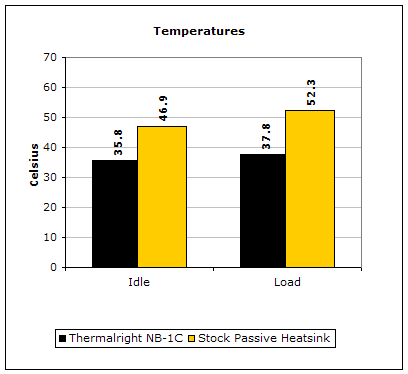
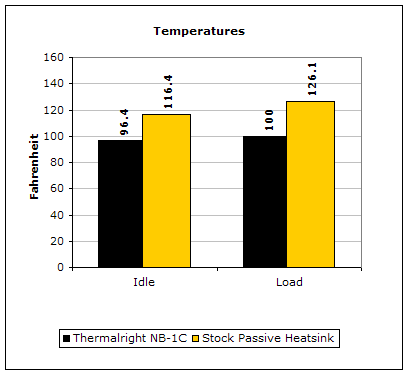
The performance here turned out to be what I expected, the NB-1C performs very well. The reason I bothered comparing it against the stock heatsink was to show what kind of improvement you can achieve from going from a passive stock heatsink to the NB-1C.
Conclusion and Thoughts
Thermalright offers an excellent option to those looking for an aftermarket chipset heatsink. Installation was painless and does not require any tools. Performance was a huge improvement over the stock cooling. It’s the perfect match if you’re currently using a copper CPU Thermalright cooler. The only problem I imagine people would have is the Delta fan. Personally, it isn’t loud. But if you have an exceptionally quiet case, you may want to look for a quieter fan or just stick with passive cooling. Overall, Thermalright succeeded in producing an excellent enthusiast Northbridge heatsink.
Pros:
- Tool-less, simple installation
- Great performance
- Aesthetics
Cons:
- Fan is a little loud
- No installation instructions included
We would like to thank Sidewinder for providing us the sample. If you have any questions or comments, feel free to hit us up in the forums. You can also check out more of our latest reviews on the front page.