

Scythe Kamaboko Z
Introduction
Scythe is a Japanese based company that manufactures cooling products. Recently, we reviewed Scythe’s Silent Box, which did its job in keeping noise to a minimal level. Noise is a huge in today’s computer systems. The more heat your system produces, the faster the fans needs to spin to supply a faster and more efficient flow of cool air. Scythe also produces CPU heatsink coolers coupled with a fan and fan controller to set the noise level.
Today we have the Scythe Kamaboko Z CPU cooler in our hands. It seems that every company is seizing the chance to incorporate heatpipes in their coolers. The use of heatpipes is generally a faster way of transferring heat in silence. Since Scythe boasts about the silent operation of their products, we’ll take a look at how well the Kamaboko Z performs when it stands next to the proven Thermaltake Sonic Tower.
Scythe Kamaboko Z
The Scythe Kamaboko Z is the upgraded version of the Kamaboko, which was all aluminum with a copper base. The Kamaboko Z features heatpipe technology coupled with aluminum fins cooled by a 92mm fan. Though not a heatpipe tower, its medium-small size is worth noting because it provides the consumer with less compatibility worries. The Kamaboko Z follows the trendy tradition of multiple socket compatibility to support a broader range of motherboards. It supports the Intel Socket 478/775 and AMD 754/939/940 chipsets. However, it does notsupport Socket 370/A.
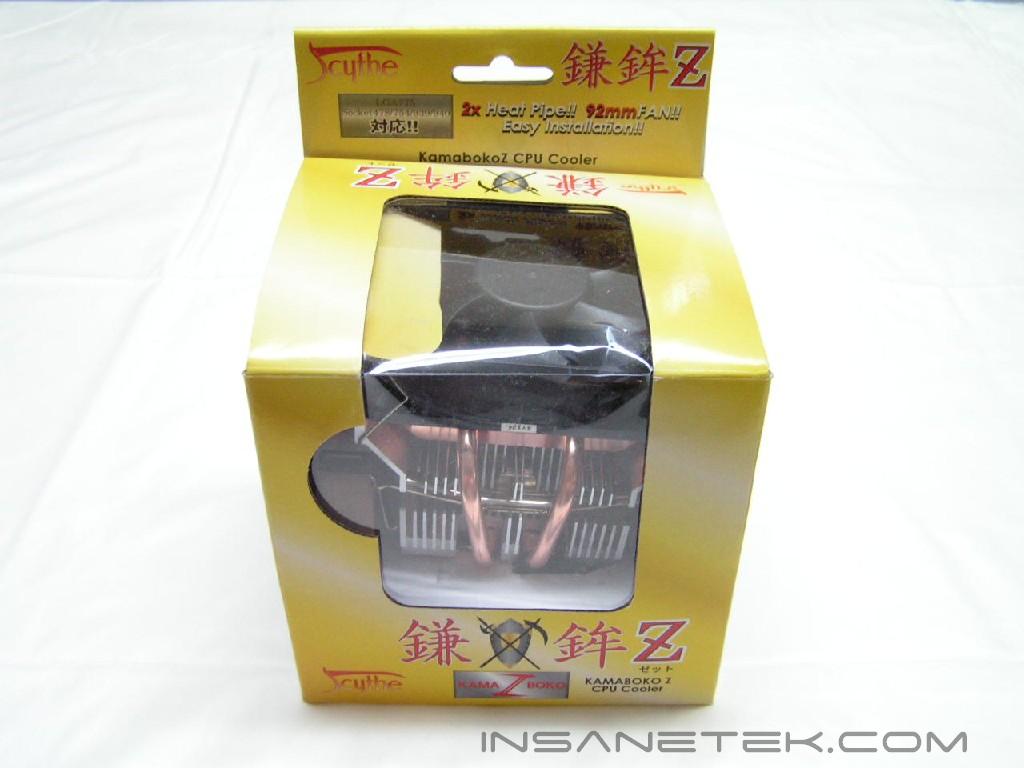
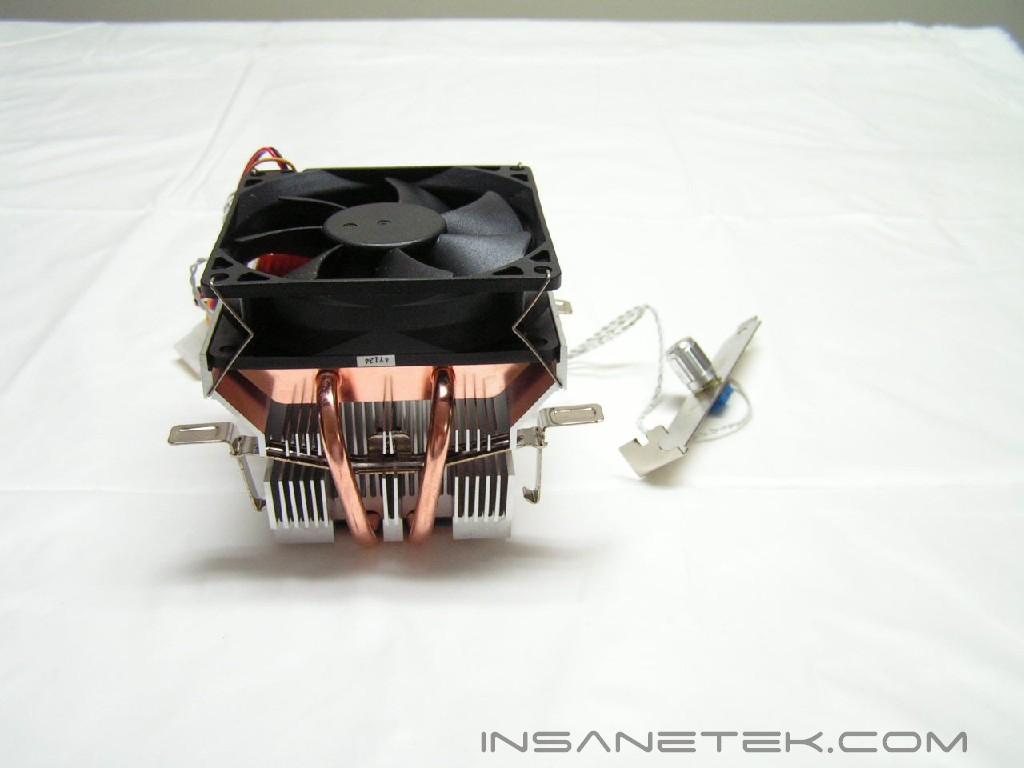
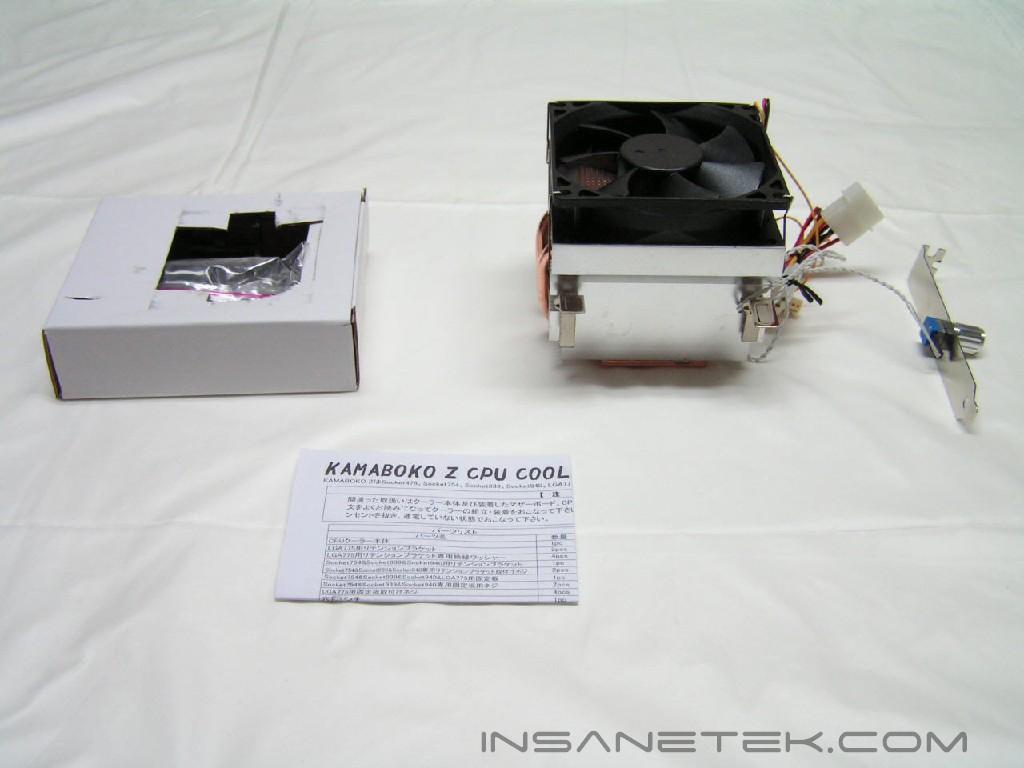
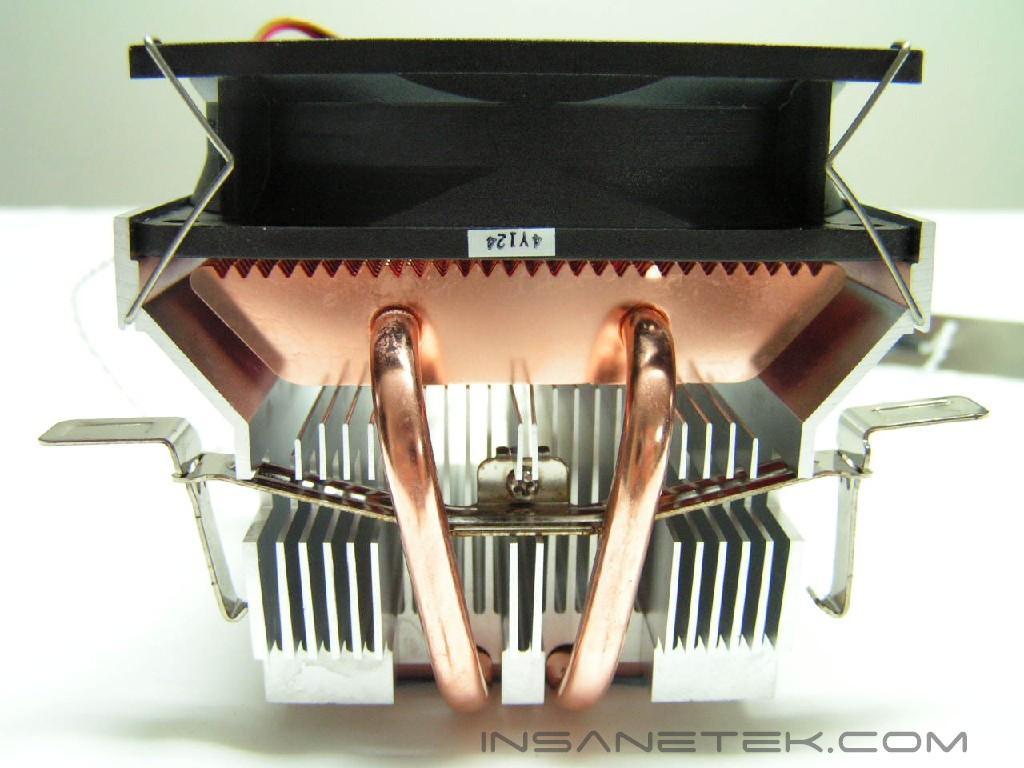
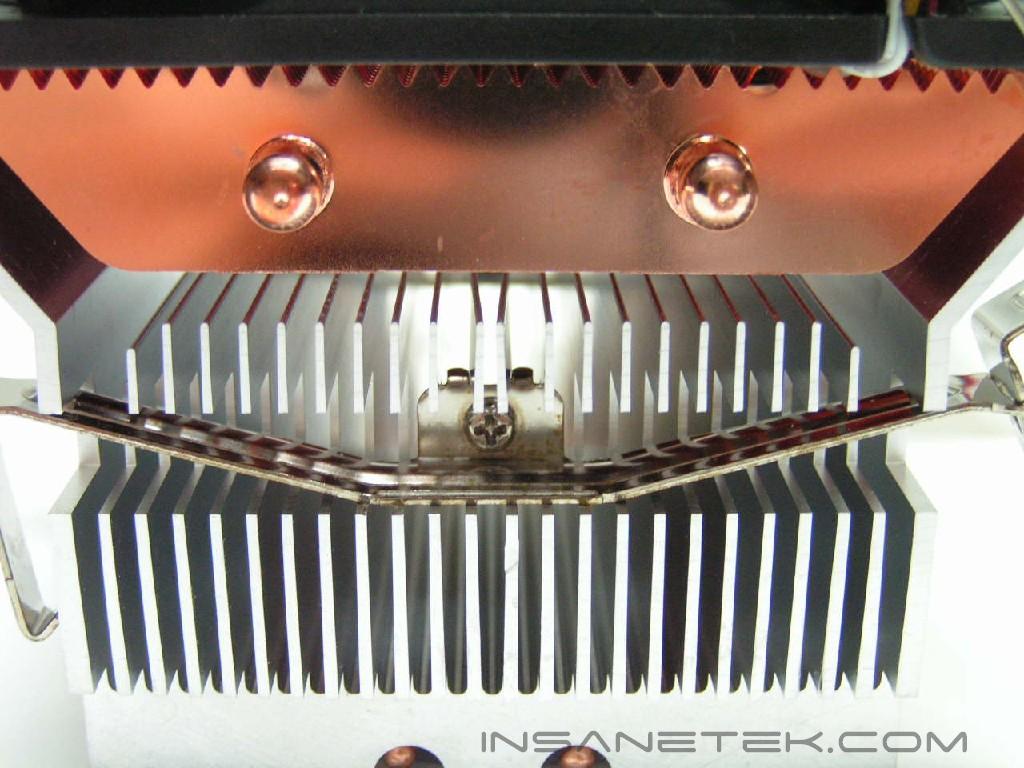
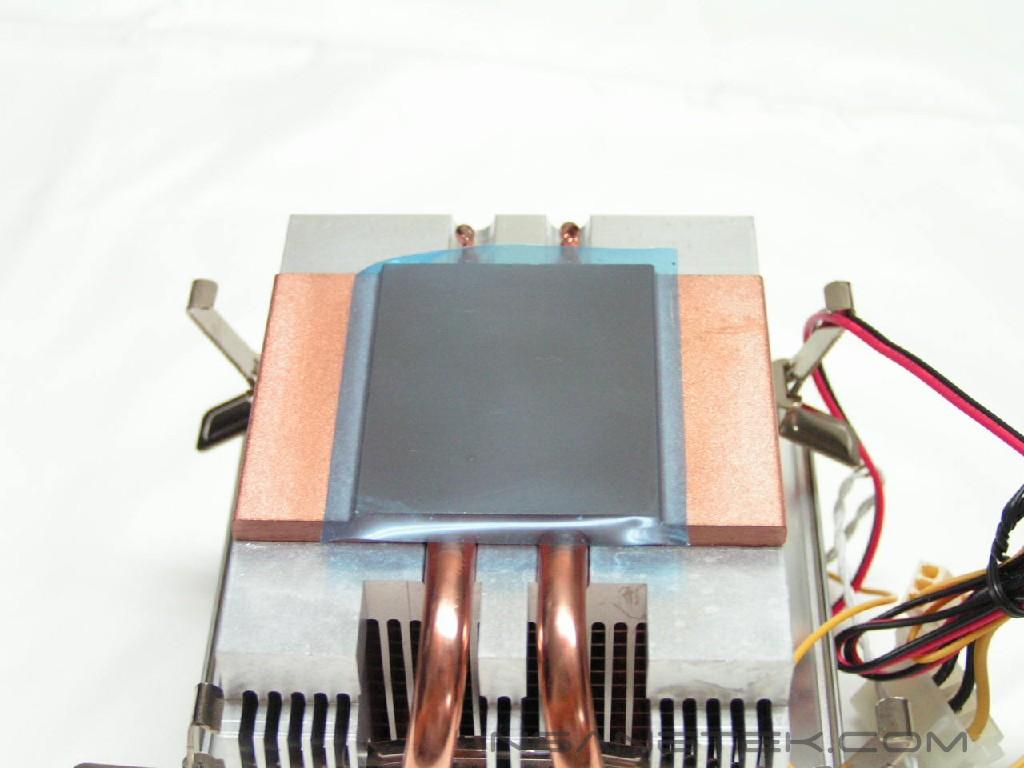
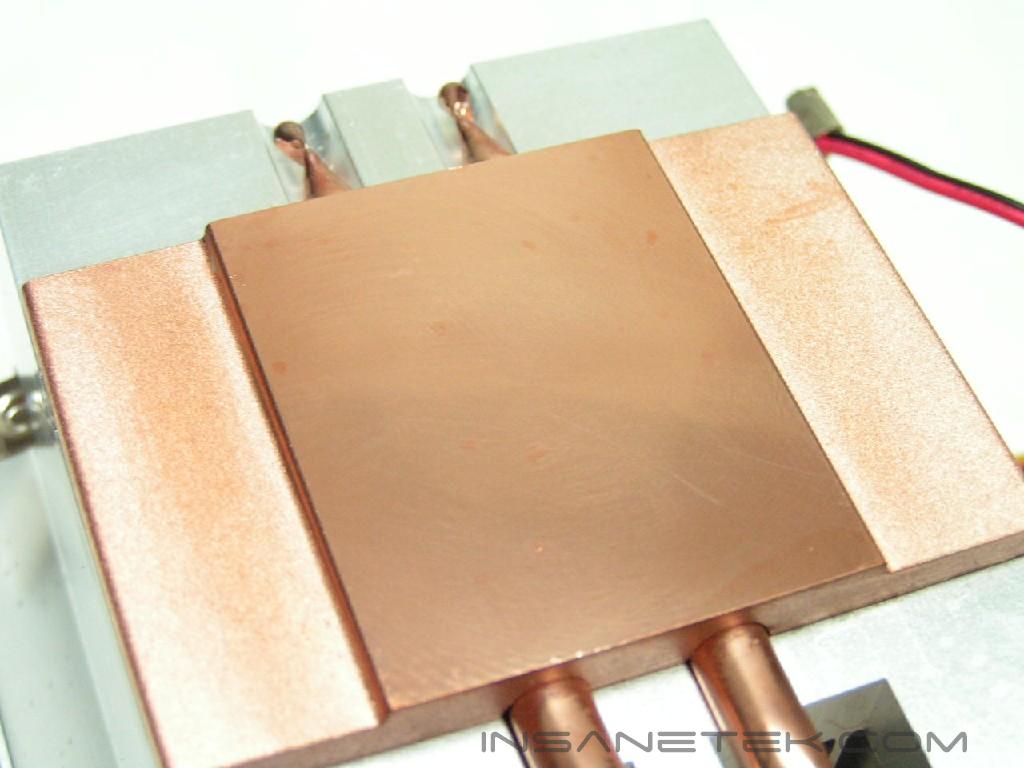
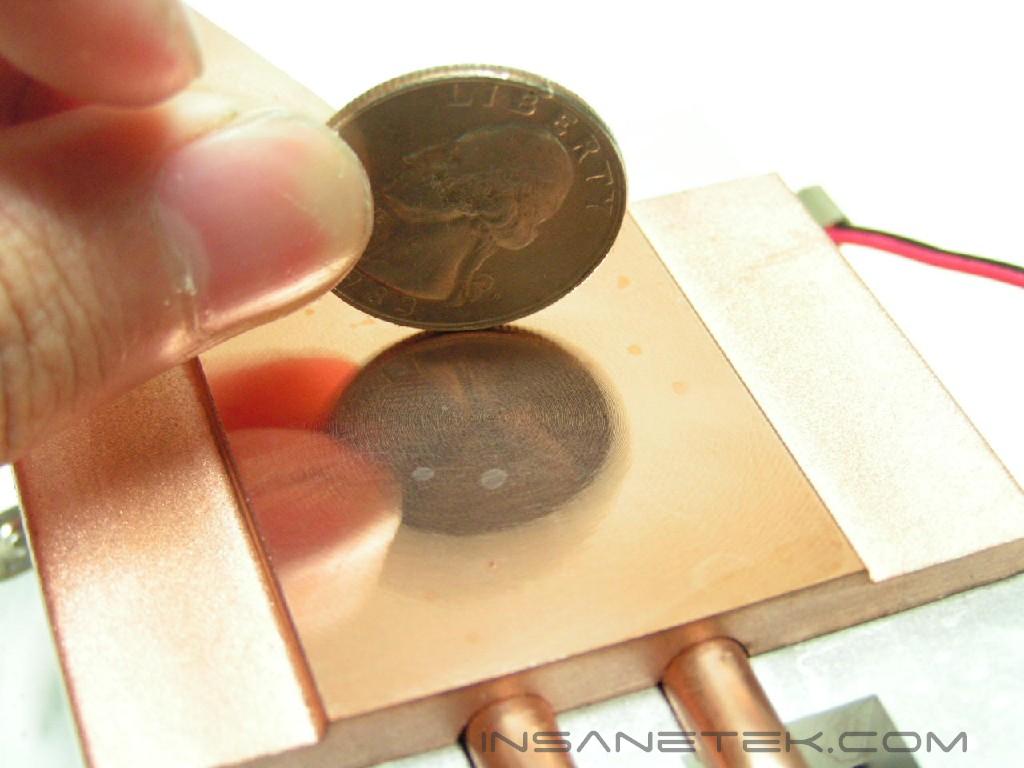
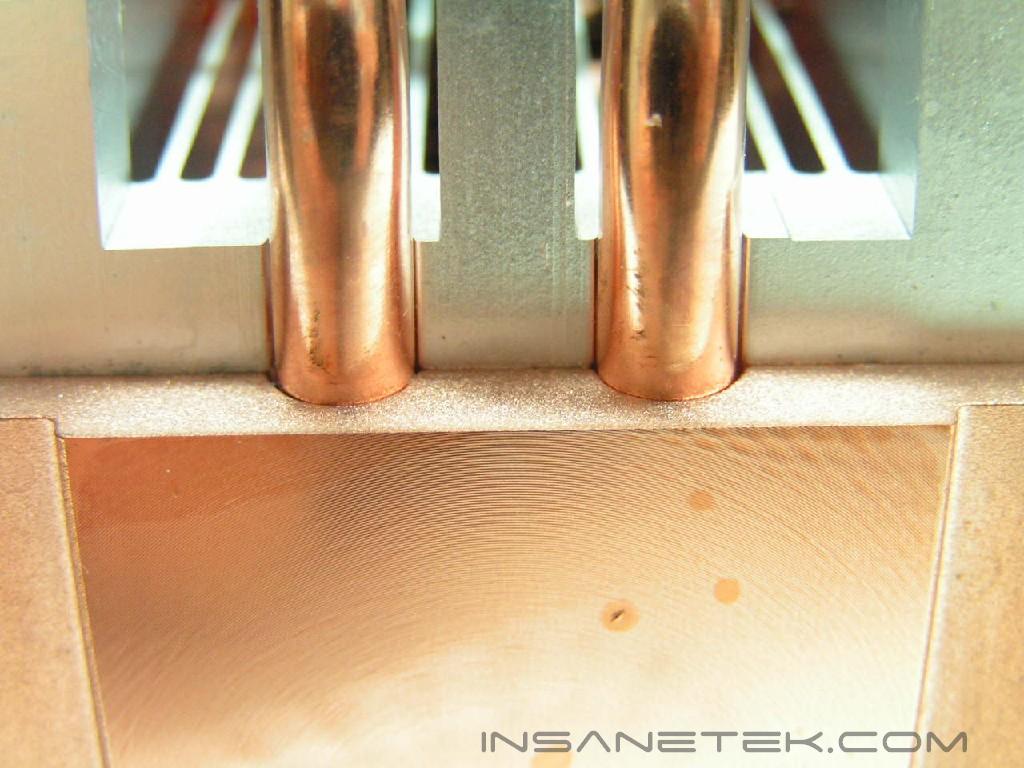
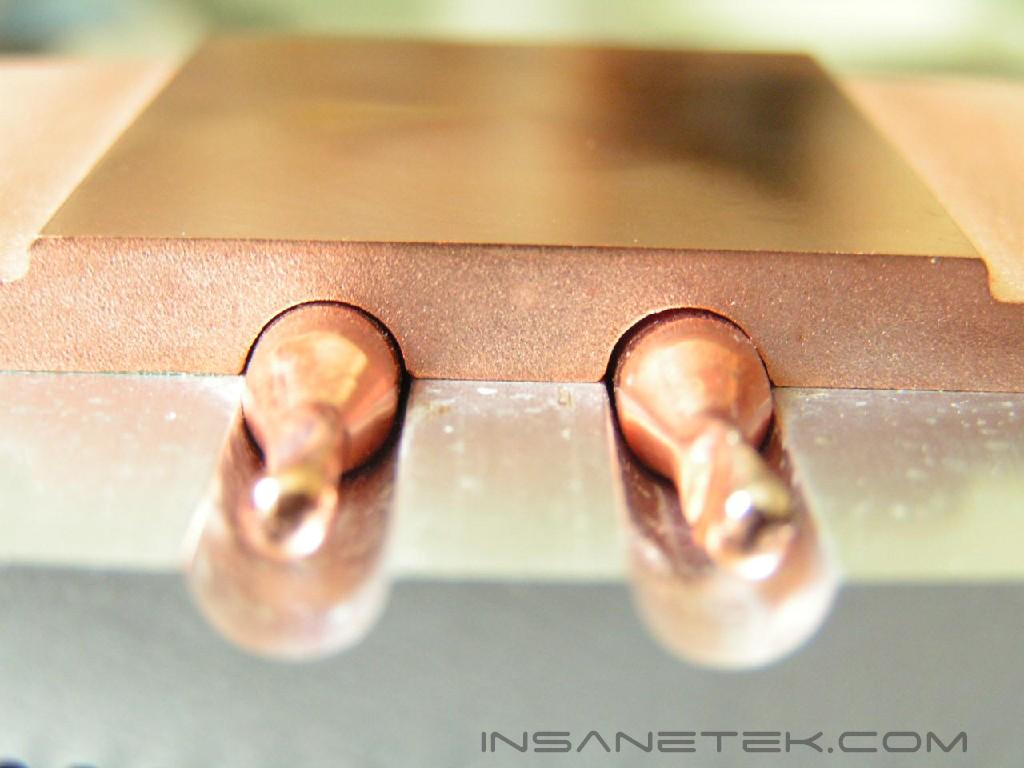
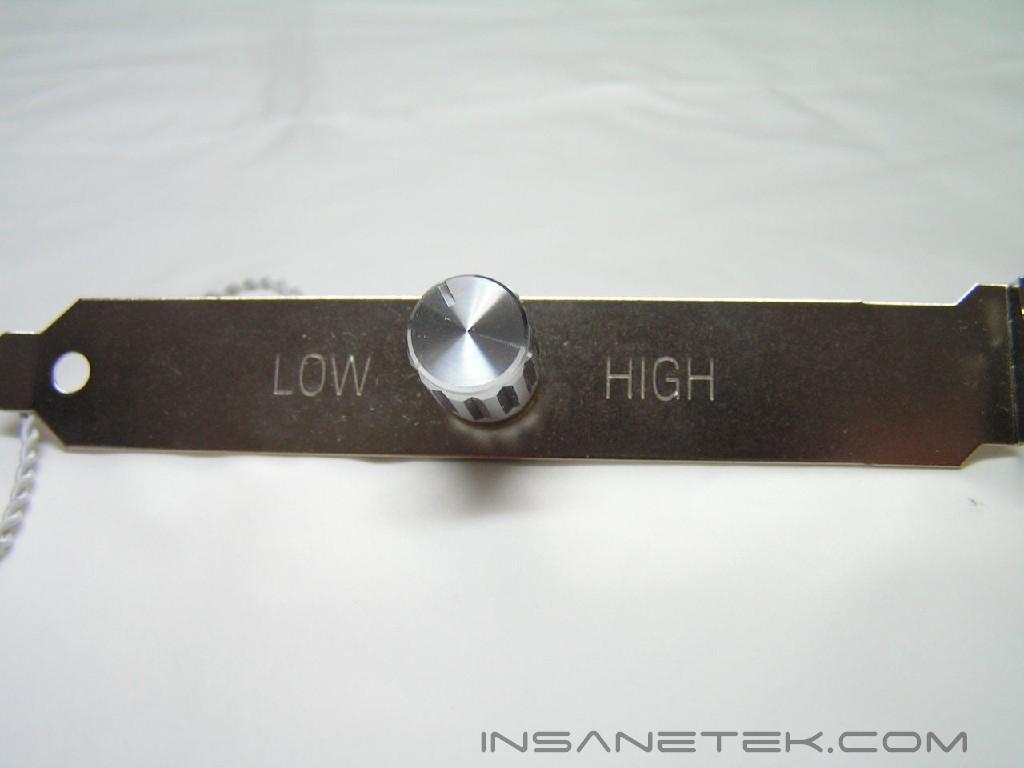
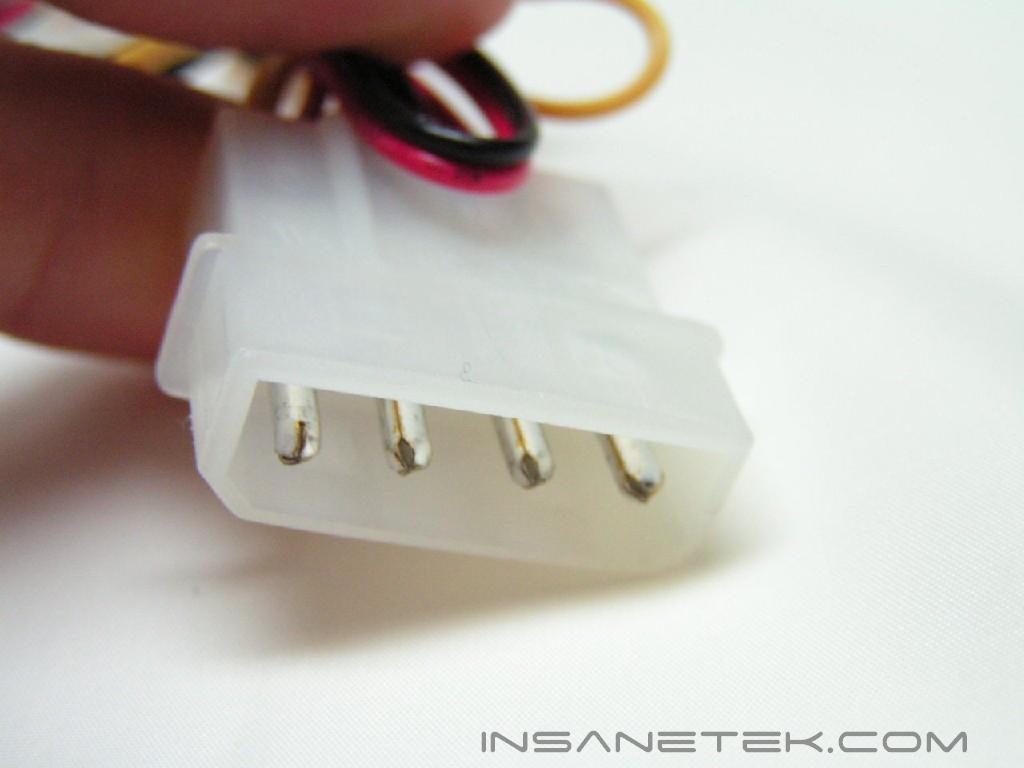
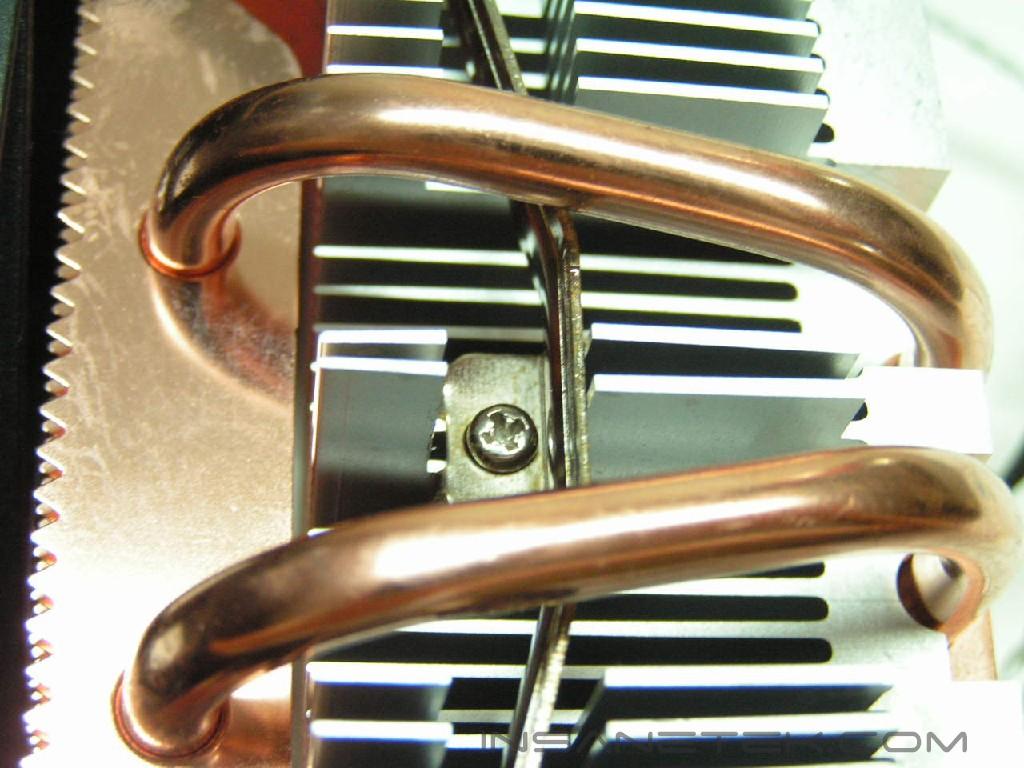
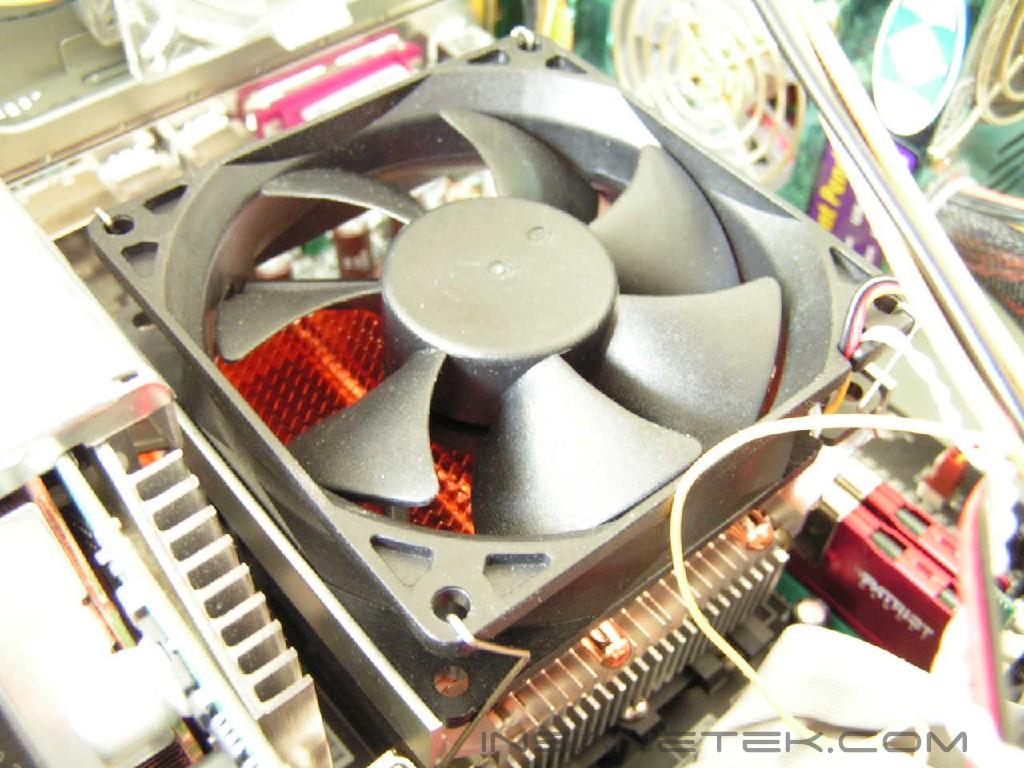
The Kamaboko Z uses two heatpipes extending from the base and connecting to a top piece of copper. The aluminum fins are located in between the two copper pieces. The base is quite thin as the base only removes the heat. Small gaps can be seen between the base and where the heatpipes are connected. This could hurt performance, as heat won’t be efficiently transferred away from the CPU. Peeling off the protective sticker, we can see a decently lapped base. Although decently lapped, it was no mirror finish. I later checked to see if it was flat, but it showed distorted and wavy images of something which should be a straight line. This will hurt performance, as it will not make the best contact with the CPU. The 92mm fan included with the heatsink was connected by a fan clip instead of screws. Connected to it was a fan controller mounted in an empty PCI expansion slot. The fan is powered by a 4pin Molex power connector. The fan is rated at 14dBA at 1,000 RPM while pushing 18CFM of air and 46dBA at 3,600RPM while pushing 73.6CFM.
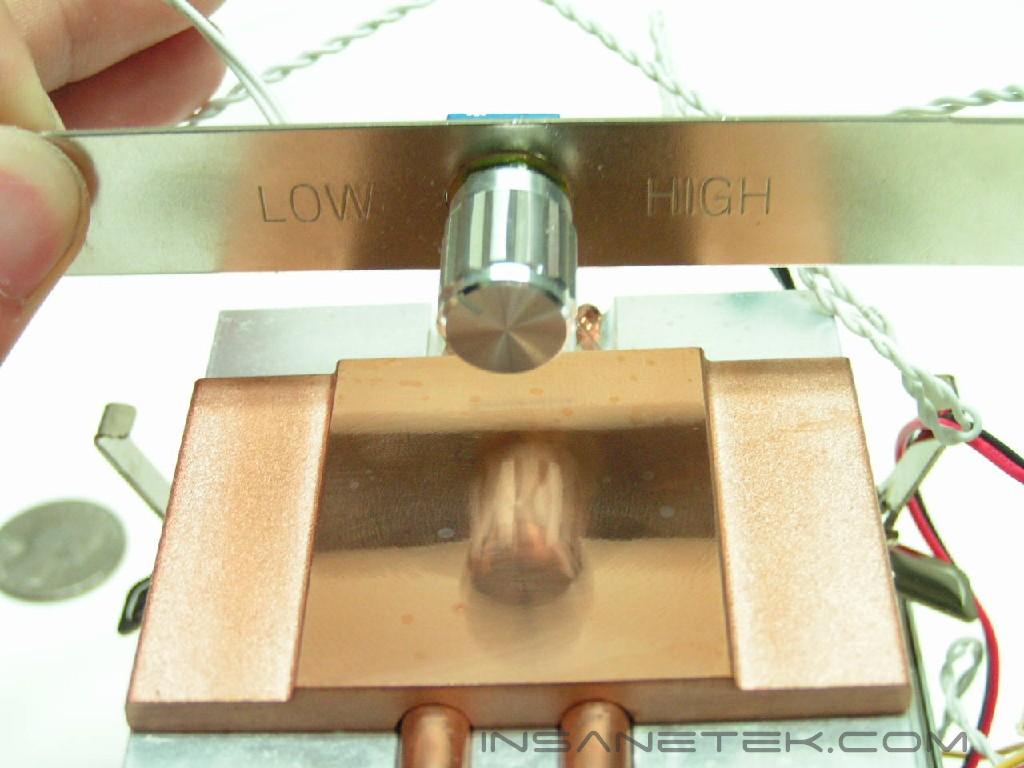
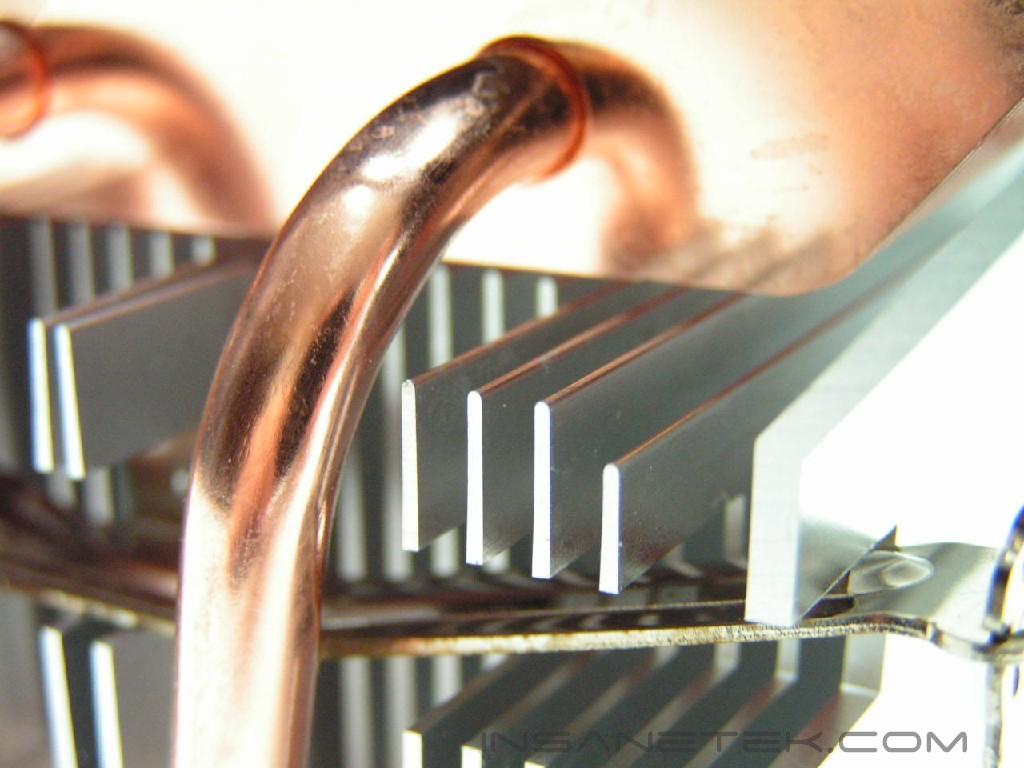
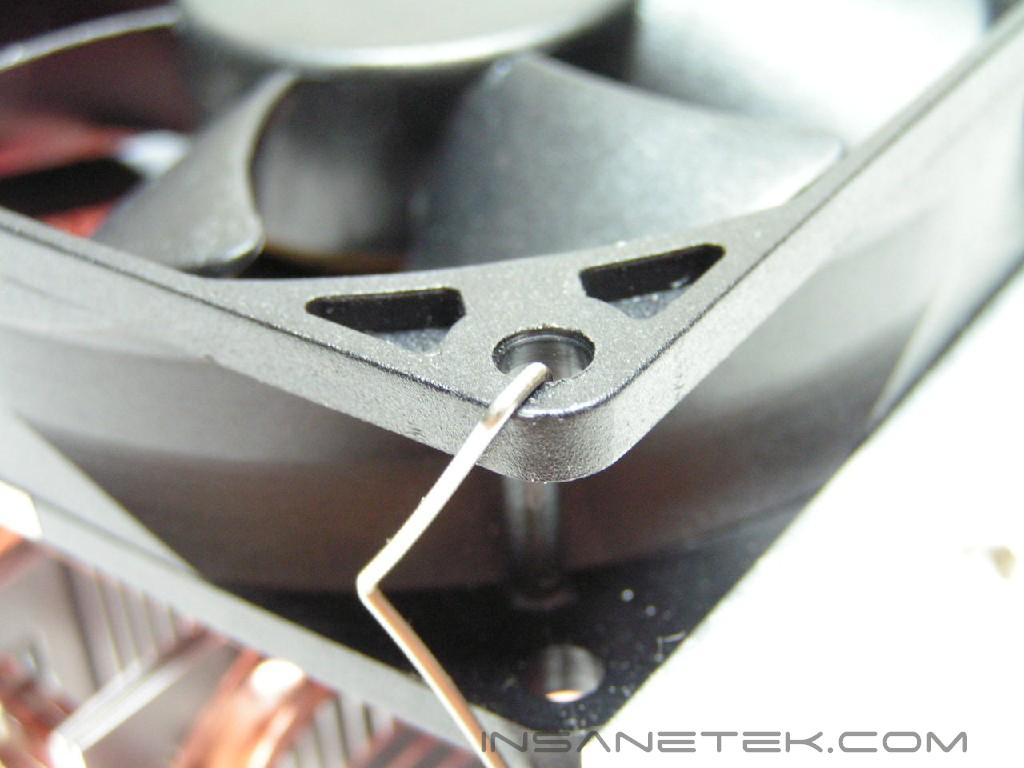
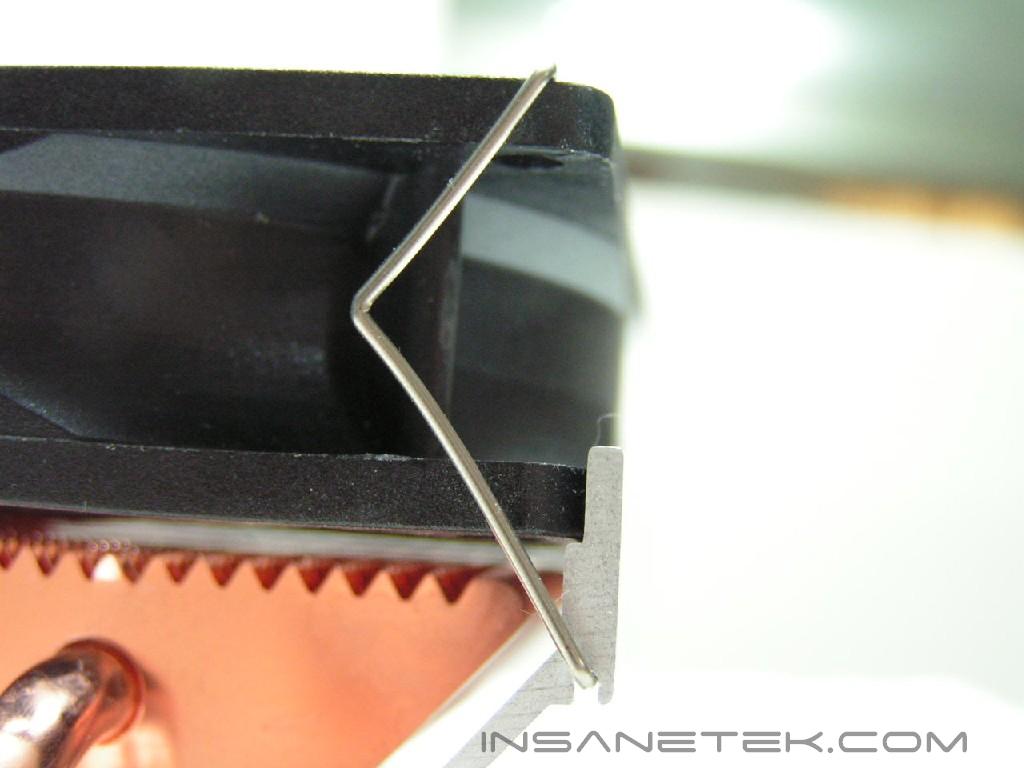
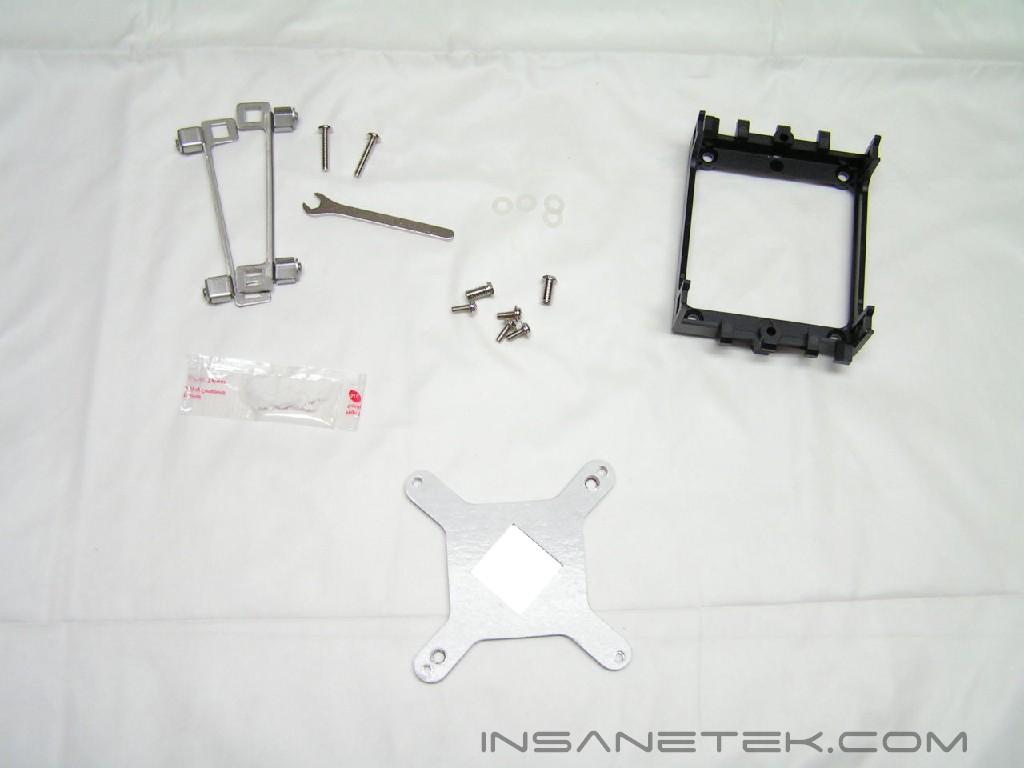
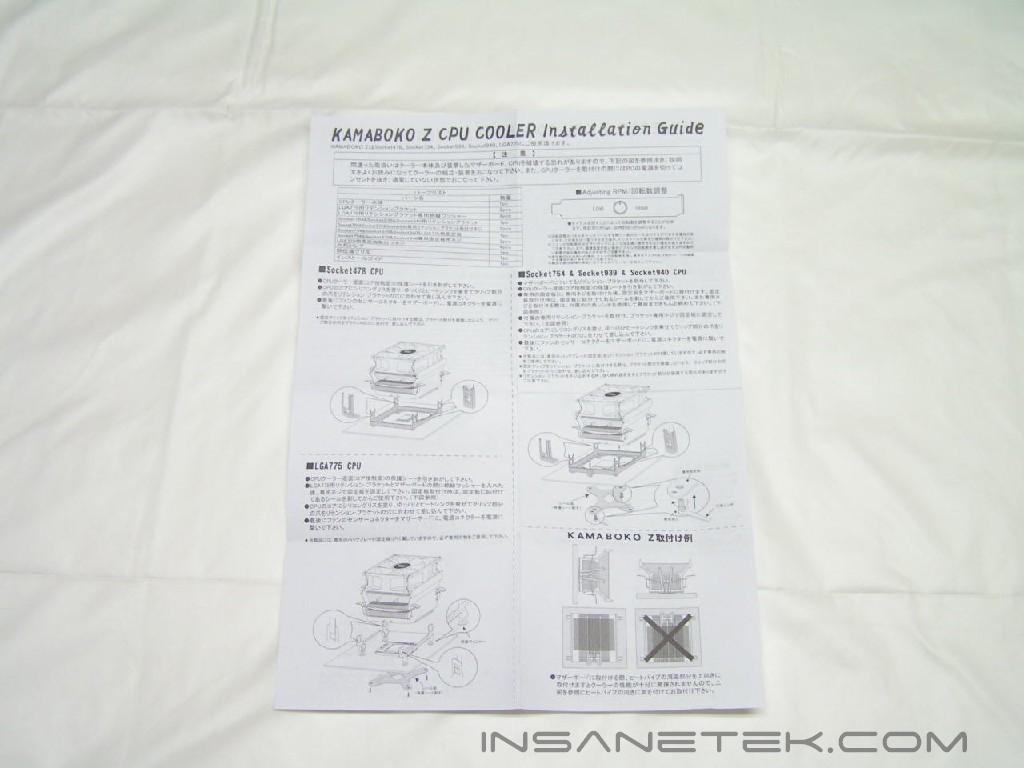
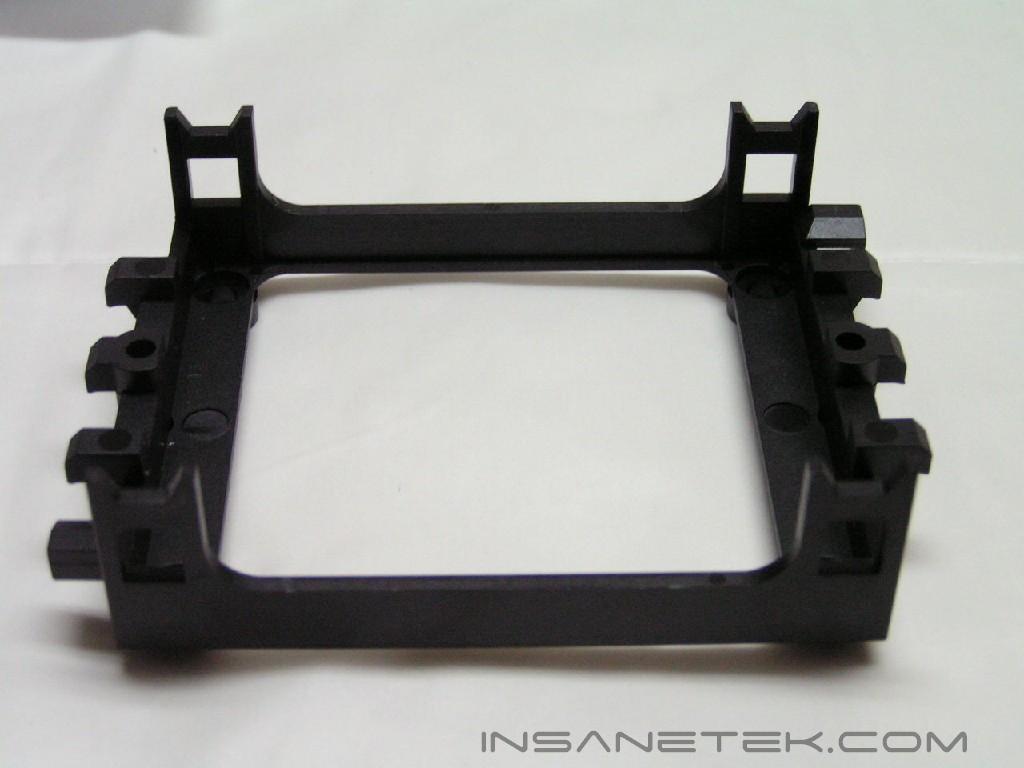
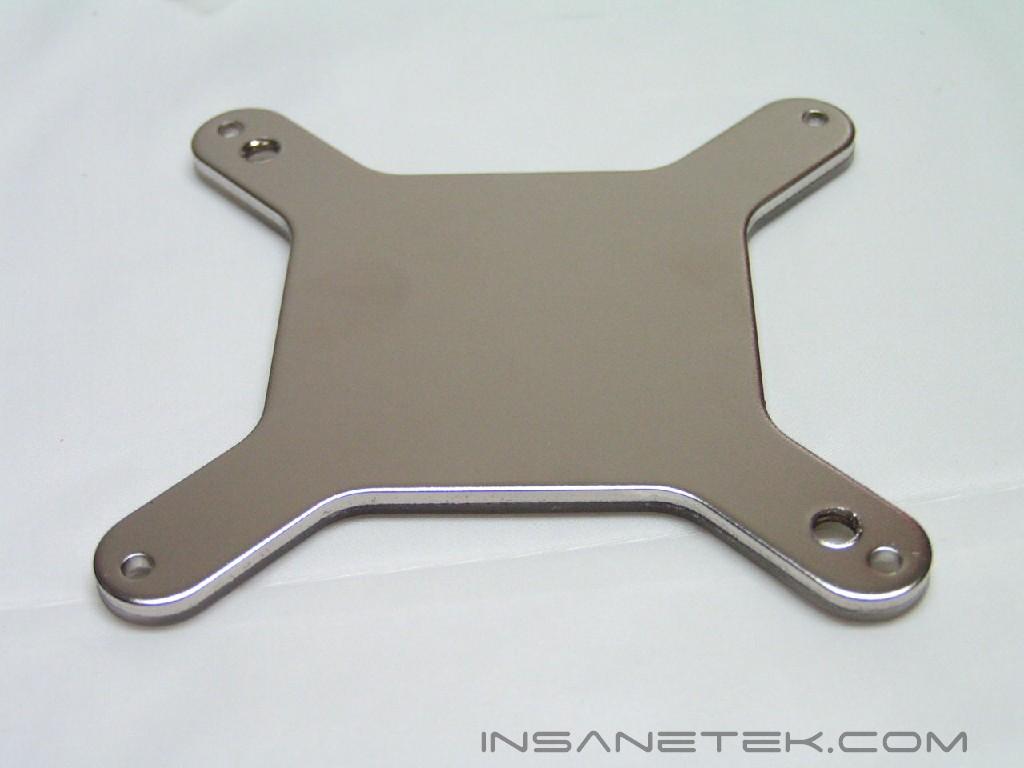
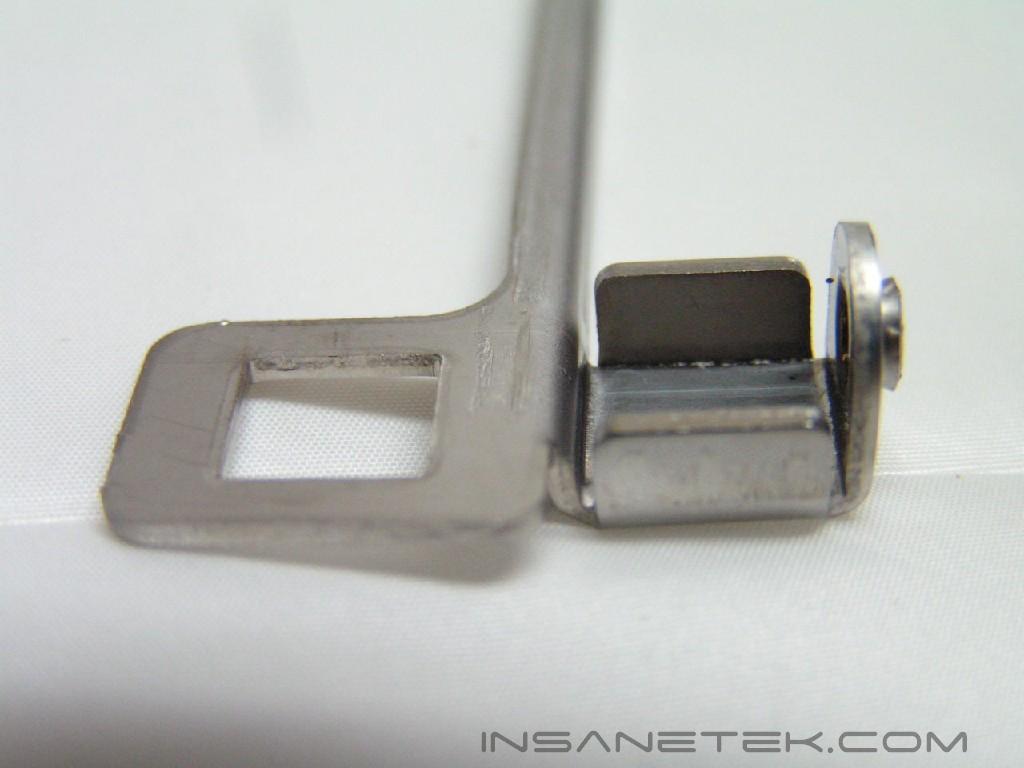
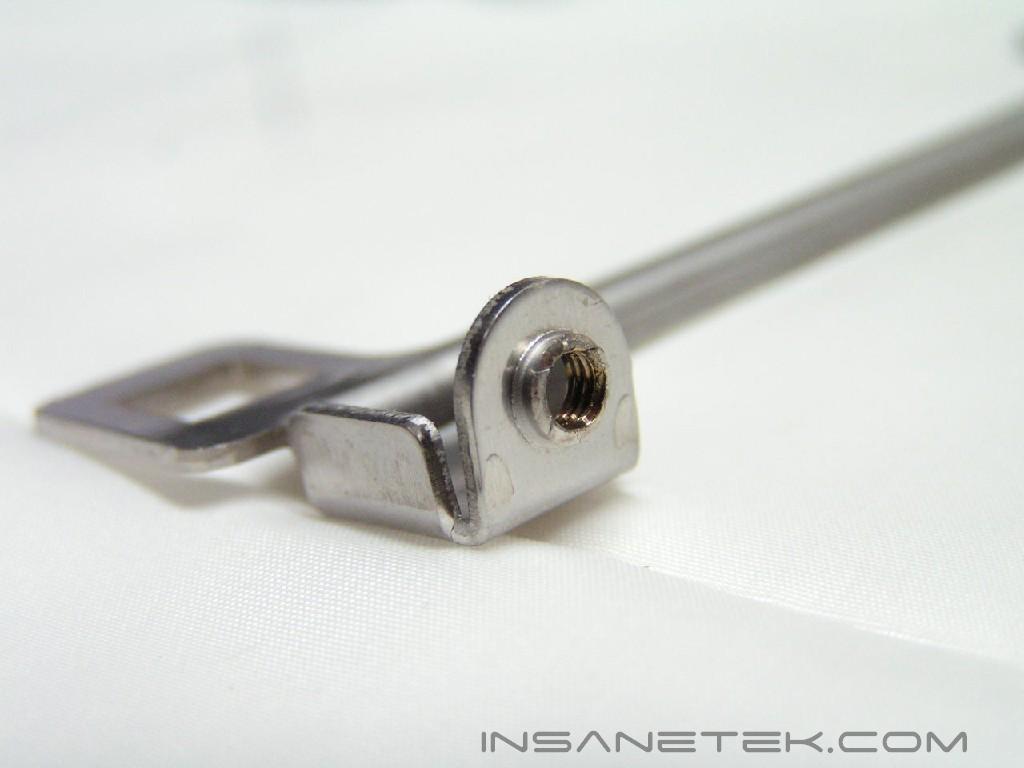
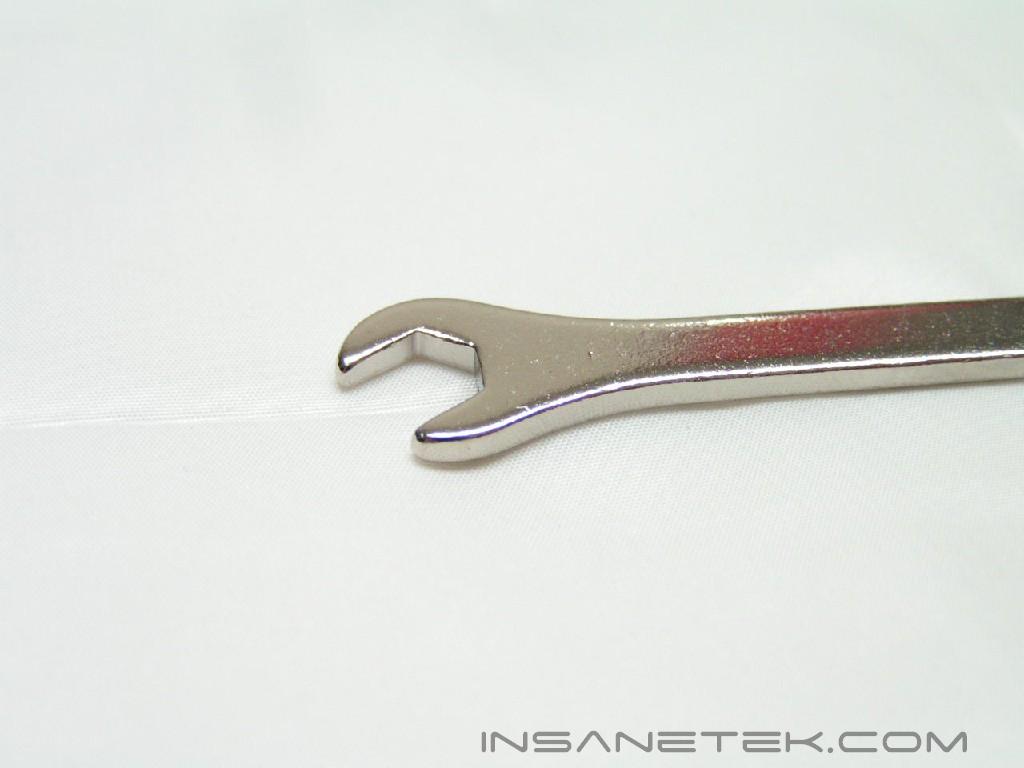
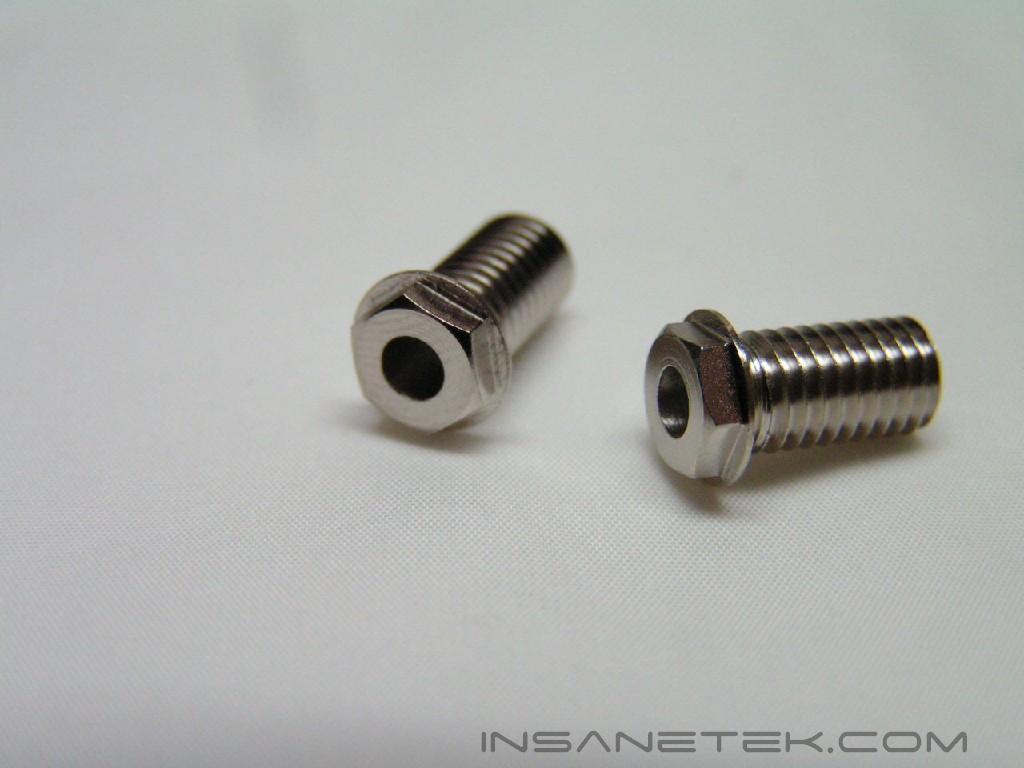
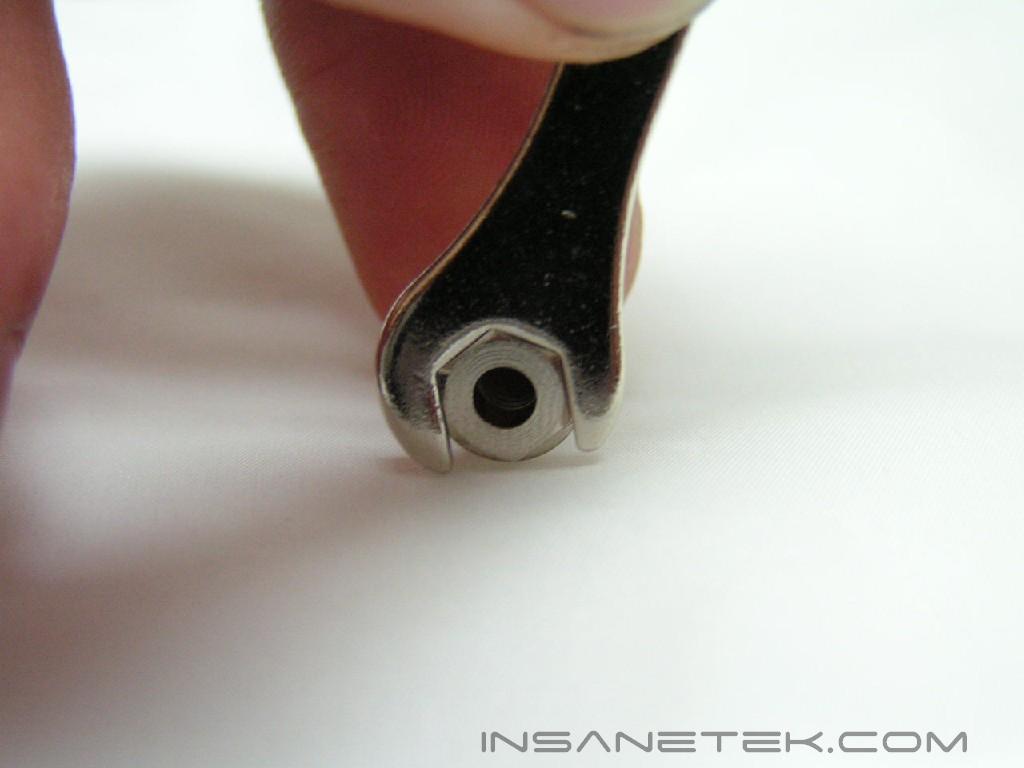
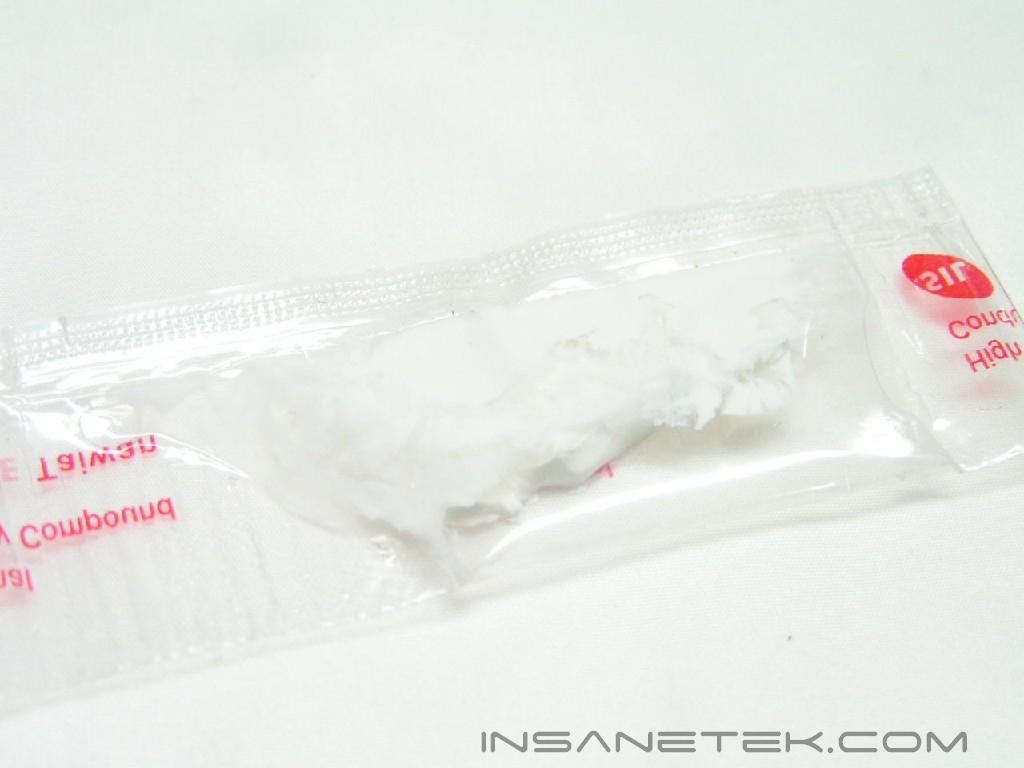
Included in the box are the installation accessories, including accessories for all platforms, screws, a packet of thermal compound, a motherboard retention plate and the instruction manual. The instruction manual was simple and to the point. It mentions the requirement of the use of the backplate. I see no point whatsoever for this backplate. Enthusiasts can just continue to use the backplate of the original socket retention frame. All you had to do was change the top portion. The Thermaltake Sonic Tower is much taller and heavier than the Kamaboko Z and it screws into the same holes as the motherboard retention plate that is included. Taking out the motherboard was a long and tedious process. For the average consumer who doesn’t move their case around much, the regular clamps can be used. The rest of the installation was a breeze after the backplate. A tool is provided for installing the backplate because it uses hexagonal screws. No real tools were needed. It is recommended that the heatpipes be faced downwards, as it guides the heat away from the base upwards.
Specifications
|
The fan provided by Scythe is rather powerful and effective at high speeds. The 92mm fan pumps 73.6CFM of air at a speed of 3800RPM. Although it does get a bit noisy, it’s not too much when compared to the 80mm fans that require high RPM to achieve the same results as the 92mm fan.
Test Setup and Results
Test Setup and Method:
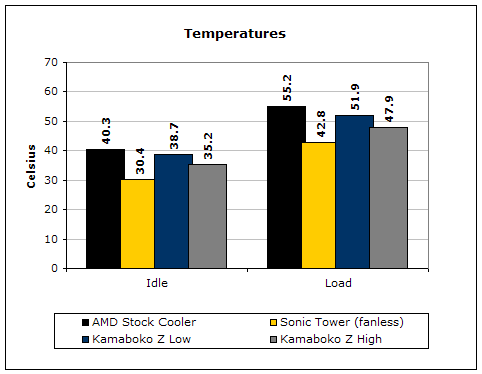
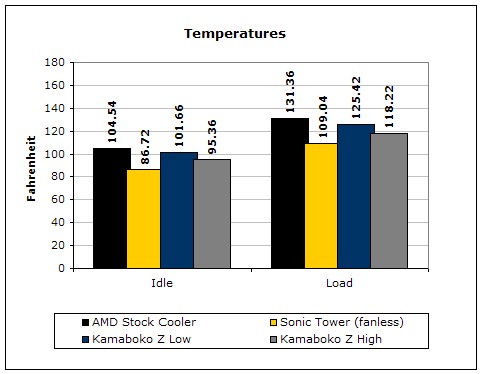
Testing will be conducted on an overclocked K8 platform. The two optional fans will not be used in the testing. Tests will include high and low RPM fan speeds. Results will be pitted against the Thermaltake Sonic Tower and the stock AMD heatsink for a range of comparisons. Ambient temperature was kept at 24.2°C with +/-0.1°C. Arctic Silver 5 thermal compound was used during the entire testing process. A temperature probe was placed on the side of the AMD Athlon64 chip’s heatspreader to measure CPU temperature. One instance of CPU Burn-in was used to create maximum load on the CPU. No scientific testing will be conducted. The purpose of this test was to determine the results a home end user would obtain.
Test System Specifications:
- AMD Athlon 64 2.475GHz (9 x 275FSB = 2.475GHz @ 1.65v)
- MSI K8N Neo2 Platinum
- PDC1G3200+XBLK (2 x 512MB @ 2.5-3-3-7)
- Leadtek Geforce FX5950 Ultra Winfast A380
- TTGI SF-450TS 450W Power Supply
Test Procedures:
- Idling at desktop for 45 minutes
- Full load with one instance of CPU Burn-in for 60 minutes
Results:
Conclusion and Thoughts
The Kamaboko Z’s performance was lacking when pitted against another heatsink of the same type, but still it outperforms the stock AMD64 heatsink. For one, an uneven base could be a reason for the poor performance. Another factor is the lack of heatpipes to carry the heat away from the base. The Thermaltake Sonic Tower has a total of six heatpipes extending outwards to distribute the heat in a more efficient way. The use of two heatpipes puts too much load on the heatsink when a lot of heat was generated. Installation was also a bit tedious with the use of the included backplate. There is definitely a lot of room for improvement. Perhaps with a flat base and the addition of two more heatpipes, it would be worthwhile to take another look at this heatsink.
John’s Addition:
When I had the heatsink sent to Patrick, I had high hopes that the heatsink would perform well. From the design, it looked very promising. Well it just goes to show that looks aren’t everything. Although it’s not as massive in surface area as the compared Sonic Tower, it’s still pretty decent. If the price was a little cheaper, then it would definitely have been a good alternative of the stock AMD cooler. Unfortunately the Kamaboko Z neither won in performance nor in price. I really had high hopes for it. I thought it was going to be the little engine that could.
Pros:
- Small size
- Utilizes heatpipe technology
- Copper base with aluminum fins
- Reasonable price
- Fan provided is effective and powerful
- Support for multiple Sockets
Cons:
- Base is not completely flat
- Performance was lacking with two heatpipes
- Included backplate only makes installation tedious; original retention frame backplate is fine for installation
We would like to thank Scythe for providing us the sample. If you have any questions or comments, feel free to hit us up in the forums. You can also check out more of our latest reviews on the front page.